
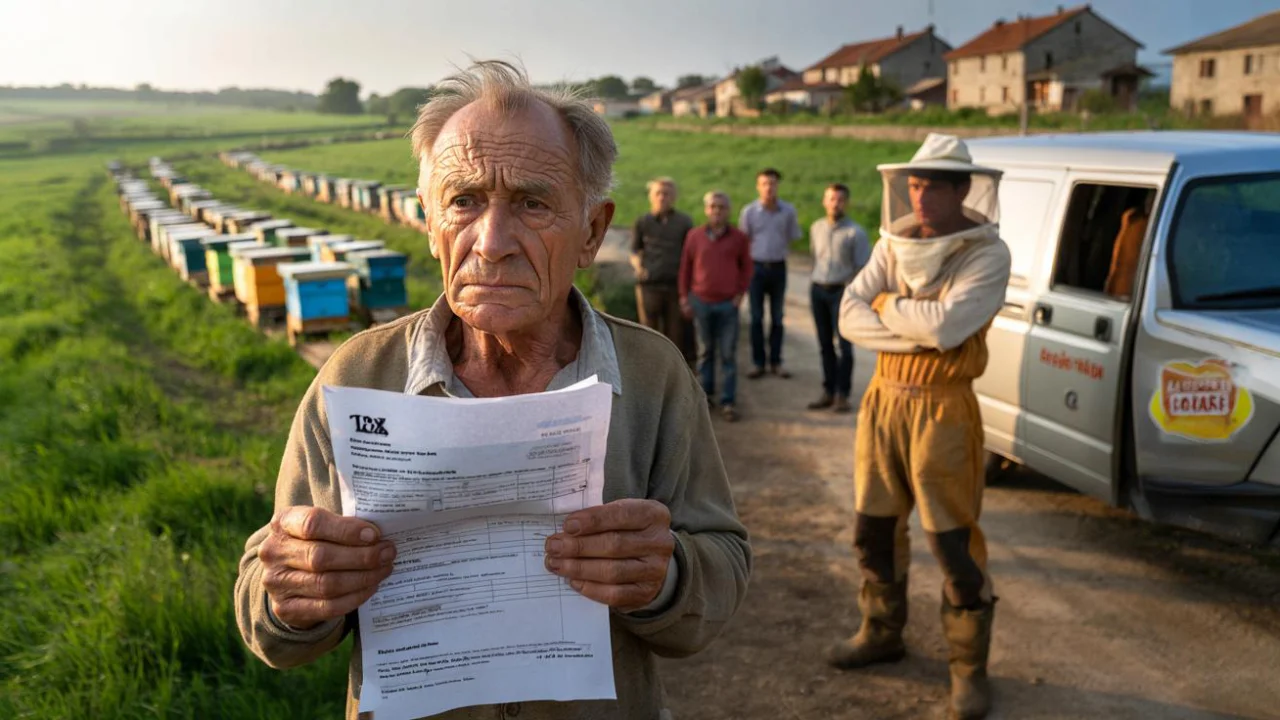
Margaret clutched the tax reassessment letter with trembling hands, her morning coffee growing cold on the kitchen table. At 72, she thought her biggest worry would be whether to plant roses or lavender in her garden. Instead, she was staring at a $8,400 bill that materialized from nowhere. The culprit? Those charming beehives she’d allowed her neighbor’s “friend” to place on her unused acre behind the house.
What started as a kind gesture to help local bees had morphed into a nightmare. The tax office had reclassified her residential land as commercial agricultural property. Her property taxes tripled overnight, and now she faced penalties for “undeclared agricultural income” she never received.
Margaret’s story isn’t unique. Across rural communities, retirees are discovering that lending land to beekeepers can trigger devastating financial consequences that destroy both bank accounts and neighborhood relationships.
How beehives secretly transform your property into a tax trap
The mechanics behind these tax bombshells are surprisingly straightforward, yet most landowners never see them coming. When you allow someone to place beehives on your property, you’re not just helping the environment—you’re potentially changing how government agencies classify your land use.
“People think they’re just being neighborly, but the tax code doesn’t recognize good intentions,” explains Sarah Chen, a rural property tax consultant. “Once your land supports commercial beekeeping operations, you’ve crossed an invisible line that can cost thousands.”
Land use reclassification happens when local assessors determine that property previously classified as residential or unused is now serving a commercial agricultural purpose. This shift can trigger multiple tax consequences:
- Higher property tax rates based on agricultural commercial use
- Loss of residential tax exemptions
- Retroactive tax adjustments going back several years
- Penalties for “unreported rental income” even if no money changed hands
- Requirements to file agricultural income tax returns
The process often begins innocuously. A beekeeper approaches with a simple request: “Can I put a few hives on your back field?” No contracts, no payments, just a handshake and promises of fresh honey. Property owners see it as environmental stewardship, never imagining it could reshape their tax obligations.
The hidden costs that blindside unsuspecting landowners
The financial impact of land use reclassification varies dramatically depending on location, property size, and local tax structures. Here’s what unsuspecting landowners typically face:
| Cost Category | Typical Range | Description |
|---|---|---|
| Property Tax Increase | $2,000-$8,000 annually | Switch from residential to agricultural commercial rates |
| Back Taxes | $3,000-$15,000 | Retroactive charges for 3-5 previous years |
| Penalties | $500-$2,500 | Late filing and underpayment penalties |
| Legal Fees | $1,500-$5,000 | Professional help to contest or comply |
Beyond the numbers, these situations create emotional devastation. Robert Martinez, who faced a $12,000 tax bill after hosting hives for five years, describes the betrayal: “I trusted someone in my community. When the tax bill came, he claimed ignorance and walked away. Five decades of friendship destroyed over bees I never wanted to profit from.”
The timing makes everything worse. These bills typically arrive when people are on fixed retirement incomes, least able to absorb major unexpected expenses. Some retirees are forced to sell property that’s been in their families for generations.
“We see people who worked their whole lives to pay off their land, only to lose it because they tried to help a neighbor,” says Jennifer Walsh, an elder law attorney. “It’s heartbreaking and completely avoidable with proper planning.”
Why communities turn toxic when tax bills arrive
The social fallout from these tax disputes often proves more painful than the financial damage. Rural communities thrive on trust and informal agreements, but tax bills have a way of destroying decades of goodwill overnight.
When Margaret’s tax bill arrived, her beekeeper “friend” claimed he was merely storing equipment, not running a business. Neighbors divided into camps: those who supported Margaret and those who sided with the beekeeper’s environmental mission. The annual church bazaar became a battlefield of cold shoulders and whispered accusations.
Similar patterns emerge across affected communities. WhatsApp groups split into factions. Long-standing coffee shop conversations turn awkward. People who shared tools and helped with harvests for decades suddenly view each other with suspicion.
The most painful aspect is how these disputes expose the vulnerability of informal rural relationships. Handshake agreements that worked for generations suddenly seem naive in the face of government bureaucracy and tax regulations.
“When money gets involved, even good people change,” observes Dr. Emily Torres, who studies rural community dynamics. “These tax situations force people to choose between financial survival and community harmony.”
Protecting yourself from unexpected land use complications
The good news is that land use reclassification disasters are completely preventable with proper precautions. Smart property owners take several protective steps before allowing any commercial activity on their land:
- Require written agreements that explicitly limit liability
- Consult local tax assessors before allowing any business use
- Verify the beekeeper’s insurance coverage and business registration
- Set clear time limits and termination procedures
- Document that no rent or compensation is exchanged
- Consider formal lease agreements that properly allocate tax responsibilities
Some property owners successfully host beehives by structuring arrangements as true hobby operations rather than commercial enterprises. The key is limiting hive numbers and ensuring no honey sales occur from the property.
“The magic number seems to be around 5-10 hives maximum,” notes tax consultant Sarah Chen. “Beyond that, assessors start viewing it as commercial agriculture regardless of the landowner’s involvement.”
Others choose to formalize relationships through proper agricultural leases that clearly assign tax obligations to the beekeeper tenant. While this requires more paperwork upfront, it prevents nasty surprises later.
FAQs
Can I really be taxed for letting someone put beehives on my land for free?
Yes, tax authorities can reclassify your land based on its use, regardless of whether you receive payment. Free arrangements can still trigger agricultural taxation.
How many beehives trigger land use reclassification concerns?
There’s no magic number, but tax consultants report that operations with more than 10-15 hives typically attract government attention and reclassification risk.
What should I do if I receive an unexpected tax bill related to beehives?
Contact a tax professional immediately. Many assessments can be appealed, especially if you can demonstrate the arrangement was truly non-commercial.
Are there safe ways to help beekeepers without risking tax problems?
Yes, limit hive numbers, require written agreements, consult your tax assessor beforehand, and consider formal lease arrangements that assign tax responsibility to the beekeeper.
Can these tax problems affect my ability to sell my property later?
Potentially yes. Land use reclassification can affect property values and complicate sales, especially if tax liens or disputes are unresolved.
Is this issue getting worse or better?
Unfortunately worse, as cash-strapped municipalities increasingly scrutinize property classifications and aerial photography makes undocumented land uses easier to spot.


