
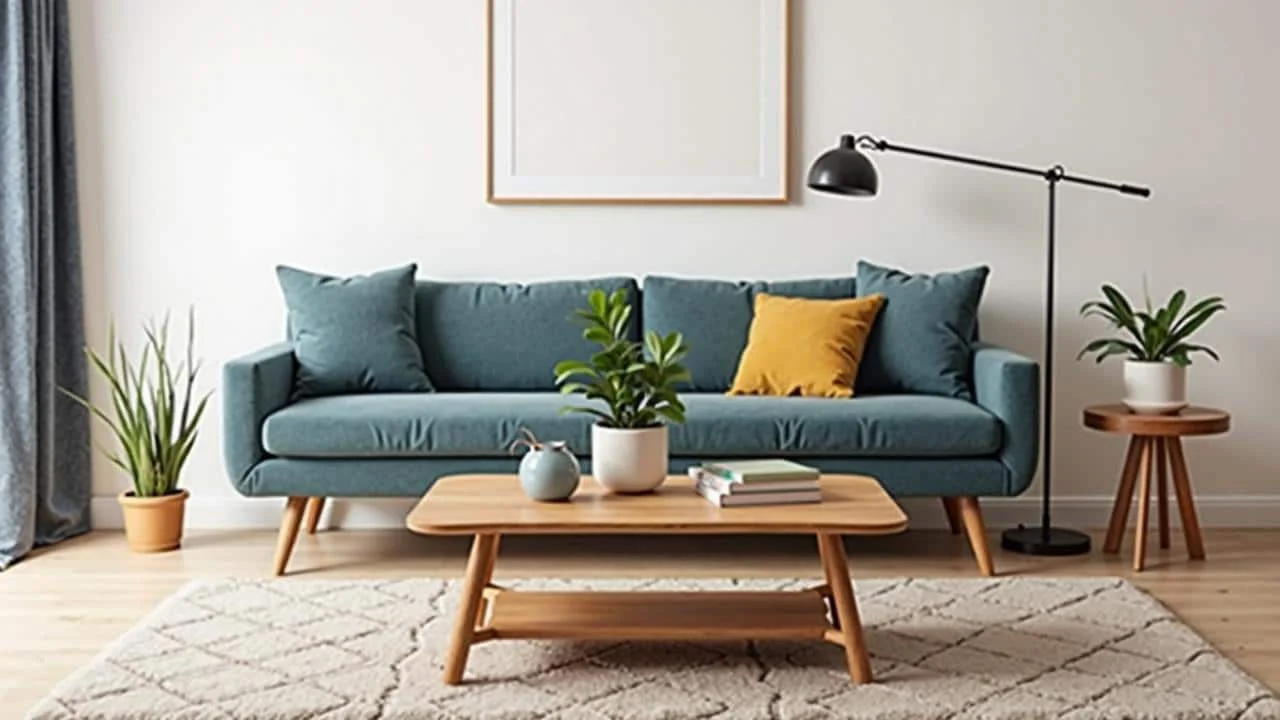
Sarah had always loved hosting friends for dinner, but something felt off about her living room. Despite the expensive sofa and carefully chosen artwork, guests seemed to cluster awkwardly near the kitchen instead of settling into the main seating area. It wasn’t until her five-year-old nephew visited and immediately bumped his head on the glass coffee table that she realized the problem.
That bulky table wasn’t just taking up precious floor space—it was actively working against the warm, welcoming atmosphere she desperately wanted to create. Within a week of removing it, Sarah noticed something remarkable: people naturally gravitated toward her living room, sprawling comfortably on floor cushions and moving freely around the space.
She’s not alone in this discovery. A quiet revolution is happening in living room design, and it starts with questioning the furniture piece we’ve never thought to question: the traditional coffee table.
Why Design Experts Are Ditching the Coffee Table
The coffee table has ruled our living rooms for decades, sitting like an immovable fortress in the center of our most-used space. But interior designers are increasingly seeing it as the culprit behind stiff, unwelcoming rooms that feel more like waiting areas than cozy gathering spots.
“Most coffee tables become clutter magnets within hours,” explains residential designer Maria Chen. “Remote controls, mail, half-empty cups—it’s like a horizontal junk drawer that everyone can see.”
The problem goes deeper than mess. That solid block of wood, glass, or metal creates invisible barriers in your room. It dictates how people move, where they sit, and how they interact. In smaller living spaces, it can make the entire room feel cramped and maze-like.
Families with young children feel this most acutely. The coffee table becomes a constant source of worry—sharp corners at toddler eye level, hard surfaces perfect for accidents, and an immovable obstacle when kids want to play on the floor.
Modern living room design is embracing flexibility instead. We need spaces that can transform from Netflix night to yoga session to work-from-home office without requiring a furniture rearrangement project.
Smart Alternatives That Actually Work Better
Removing your coffee table doesn’t mean losing functionality—it means gaining flexibility. Here are the expert-approved solutions that are transforming living rooms across the country:
- Ottoman clusters: Two or three soft ottomans can be pushed together for a large surface or separated for extra seating
- Nesting side tables: Tuck away when not needed, pull out only when serving drinks or snacks
- Floor cushions with hidden storage: Double as seating and keep remotes, blankets, or games tucked away
- C-shaped side tables: Slide under sofas when not in use, pull out to create personal surfaces for each person
- Wooden storage bench: Provides seating, storage, and an occasional surface without dominating the room
“The goal is furniture that works for you, not furniture you have to work around,” notes interior stylist James Rodriguez.
| Traditional Coffee Table | Flexible Alternatives |
|---|---|
| Fixed position in center | Move anywhere or store away |
| Single large surface | Multiple smaller surfaces where needed |
| Attracts clutter | Hidden storage keeps things tidy |
| Blocks floor space | Opens up room for activities |
| Hard edges and corners | Soft, rounded surfaces |
Creating Warmth Through Smart Living Room Design
Without a coffee table anchoring your seating arrangement, you can create conversation areas that feel much more intimate and welcoming. Instead of everyone staring at a central table, people naturally turn toward each other.
This shift opens up exciting design possibilities. You can layer different textures at floor level—a thick area rug, oversized floor pillows, a sheepskin throw. These elements add visual warmth and tactile comfort that a hard table surface simply cannot provide.
“When you remove that visual barrier in the center, the whole room breathes differently,” explains home staging expert Lisa Park. “Suddenly you can see the beautiful rug, the room feels larger, and people move more naturally through the space.”
The absence of a coffee table also makes your room more adaptable to different lighting moods. You can place floor lamps or table lamps exactly where you need them, creating pools of warm light instead of working around a central furniture piece.
Many homeowners discover that removing their coffee table actually makes their existing furniture look more expensive and intentional. Without competition from a busy center piece, your sofa, chairs, and artwork get the attention they deserve.
Making the Transition Work in Your Space
The key to successful coffee table-free living room design is thinking about your actual daily routines. What do you really use that surface for? Most people realize they primarily need somewhere to set down drinks and snacks while watching TV or chatting with friends.
Side tables positioned within arm’s reach of seating solve this problem more elegantly than a central table everyone has to lean toward. Plus, each person gets their own surface instead of competing for space on a shared table.
For homes where the coffee table serves as storage, the solution is redistributing those items to more logical locations. Remote controls can live in a small basket beside the sofa. Magazines might be better displayed on a bookshelf where they’re actually visible and accessible.
“The magic happens when you stop trying to cram everything into one piece of furniture and instead let each item find its natural home,” says organization consultant David Kim.
If you’re worried about losing surface space for entertaining, consider furniture that can quickly adapt. A storage ottoman that opens to reveal party supplies, or nesting tables that expand your surface area only when guests arrive.
FAQs
What if I have a very large living room?
Large spaces actually benefit more from multiple smaller surfaces than one big coffee table, as it helps create intimate conversation zones rather than one overwhelming seating area.
How do I serve drinks and snacks without a coffee table?
Side tables, TV trays, or a serving cart work better because they bring refreshments directly to each person instead of requiring everyone to reach toward the center.
Will my living room look empty without a coffee table?
Most people are surprised to find their room looks fuller and more intentional, as you can better appreciate your other furniture and decor without a large central obstruction.
What about storage for remotes and other items?
Small baskets, side table drawers, or storage ottomans keep these items organized and easily accessible without creating visible clutter.
Is this trend suitable for formal living rooms?
Absolutely—many formal spaces actually look more elegant with carefully placed accent tables and seating arrangements that encourage conversation rather than centering around a table.
How do I convince my family to try removing the coffee table?
Start with a weekend experiment—move the table to another room temporarily and see how the space feels and functions differently.


