
Margaret had been bringing cookies to her new neighbor for months. When Tom mentioned he needed a spot to park his RV temporarily, she didn’t hesitate. “Just put it behind my garage,” she said with a warm smile. “There’s plenty of room back there.”
Three years later, that same RV spot had become a full workshop, complete with electrical hookups and a concrete pad. When Margaret tried to sell her house, the surveyor delivered crushing news: Tom’s improvements were entirely on her property, and he was now claiming legal rights to the land he’d been using.
What started as a neighborly gesture had become a neighbor land dispute that would drag through courts for years, cost both families their life savings, and turn a quiet suburban street into a battlefield.
How Good Intentions Create Legal Quicksand
Neighbor land disputes often begin with the best intentions. Someone offers a small favor – park here, store that there, use this path. No contracts, no surveys, just neighbors being neighborly.
But property law doesn’t care about good intentions. What matters is documentation, boundaries, and time. When informal arrangements drag on for years, they can create legal rights that surprise everyone involved.
“I see these cases constantly,” explains real estate attorney Sarah Chen. “People think they’re just being nice, but they’re actually creating potential easements or adverse possession claims without realizing it.”
The problem is that many homeowners don’t understand how property rights work. In most states, someone who uses land openly and continuously for a certain period can potentially gain legal rights to that land, even without the owner’s written permission.
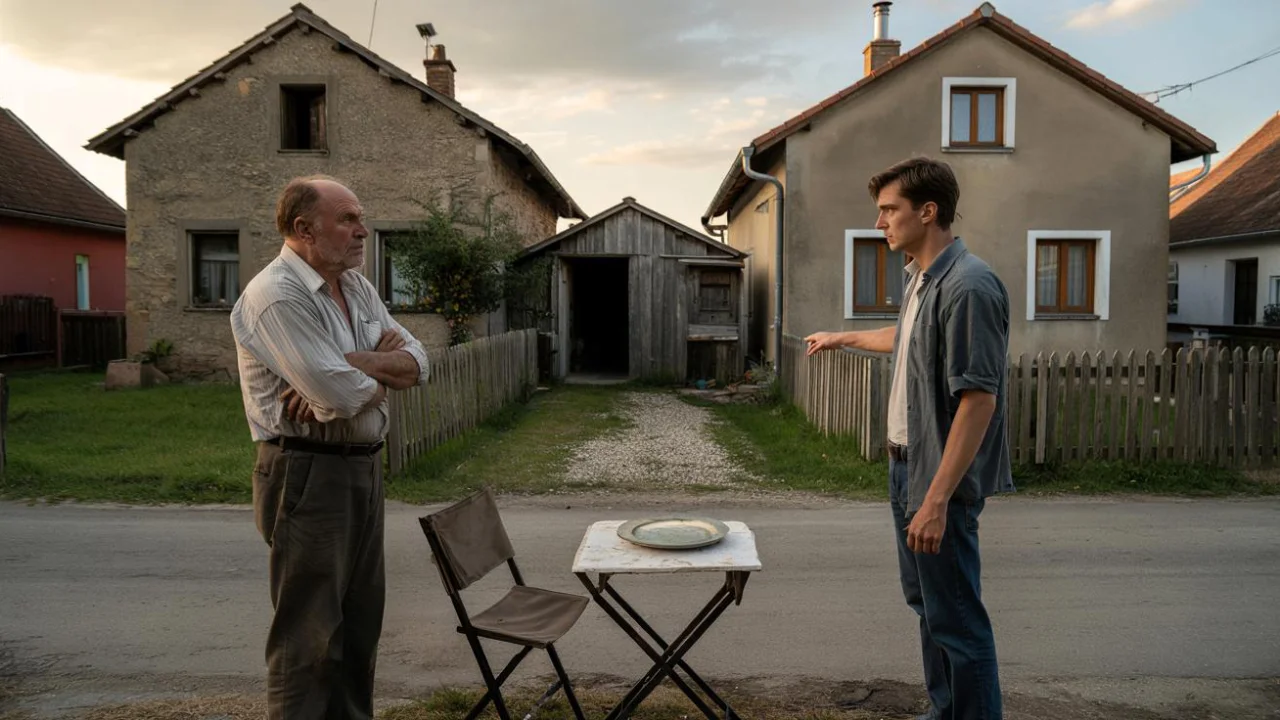
Bernard learned this the hard way when his casual “go ahead and park there” became a legal nightmare that split his entire village into warring camps.
The Hidden Costs and Legal Traps Everyone Should Know
Understanding the mechanics of neighbor land disputes can help you avoid becoming the next cautionary tale. Here are the key factors that can transform innocent favors into legal battles:
| Legal Concept | What It Means | Time Required | Risk Level |
|---|---|---|---|
| Adverse Possession | Gaining ownership through continuous use | 5-30 years (varies by state) | High |
| Prescriptive Easement | Right to use land for specific purpose | 5-20 years typically | Medium-High |
| Implied License | Permission that can be revoked | No minimum time | Low-Medium |
| Boundary Disputes | Disagreement over property lines | Immediate issue | High |
The financial stakes can be enormous. Property attorney David Rodriguez notes, “I’ve seen families lose $50,000 or more in legal fees fighting over a parking space worth maybe $5,000. The emotional cost is often even higher.”
Common scenarios that lead to neighbor land disputes include:
- Allowing temporary parking that becomes permanent
- Shared driveways without written agreements
- Fences built on the wrong side of property lines
- Storage sheds placed across boundaries
- Gardens or landscaping that creep onto neighboring lots
- Informal agreements about property maintenance
Each situation creates different legal risks, but they all share one common thread: the longer an informal arrangement continues, the stronger the potential claim becomes.
When Neighbors Become Enemies: The Human Cost
The Bernard and Luc situation spiraled far beyond a simple property disagreement. Within months, their neighbor land dispute had consumed their entire community.
Luc’s wife stopped speaking to Bernard’s daughter. Children were forbidden from playing together. The annual block party was canceled when nobody could agree whose property the usual setup location actually belonged to.
“These disputes destroy communities,” observes family mediator Jennifer Walsh. “I’ve watched neighbors who celebrated holidays together end up unable to be in the same room.”
The psychological impact extends far beyond the immediate parties. Other neighbors feel forced to choose sides. Property values throughout the area can suffer when word spreads about ongoing legal battles.
In Bernard’s village, three other families discovered potential boundary issues once everyone started scrutinizing property lines. What began as one man’s generous gesture had triggered a domino effect of surveys, lawyers, and accusations.
The financial toll multiplies quickly. Legal fees, survey costs, and potential property value losses can easily reach six figures in complex cases. Many families find themselves choosing between their financial future and their principles.
Bernard eventually settled out of court, selling his family home for $40,000 less than expected and splitting the legal costs with Luc. Both men describe the experience as one of the worst periods of their lives.
Protecting Yourself Without Destroying Relationships
You don’t have to become a suspicious, unfriendly neighbor to protect your property rights. Smart precautions can preserve both your assets and your relationships.
Property law expert Maria Santos suggests a middle ground: “Document everything, but do it kindly. A simple written note saying ‘Thanks for letting me park here temporarily’ protects both parties and shows the arrangement isn’t permanent.”
Essential protection strategies include:
- Getting property surveys before making informal agreements
- Setting clear time limits on any favors (“You can park there for three months while you find other arrangements”)
- Documenting arrangements in writing, even informally
- Regular communication about expectations and boundaries
- Consulting attorneys before long-term arrangements
For ongoing arrangements, annual check-ins can prevent problems. A simple conversation about whether the arrangement is still working for both parties can head off future disputes.
Most importantly, don’t let generosity turn into avoidance. If you’re uncomfortable with how a situation is developing, address it early. The conversation might be awkward, but it’s far easier than explaining to a judge why you allowed someone to build a permanent structure on your land.
FAQs
Can someone really steal my land just by using it?
In some circumstances, yes – but it typically requires open, continuous use for many years without the owner’s objection. The exact requirements vary significantly by state.
How long do I have to let someone use my property before they gain rights?
This varies dramatically by location, ranging from 5 to 30 years for adverse possession claims. However, other types of rights can develop much faster.
What should I do if my neighbor is using part of my property?
First, get a professional survey to confirm the boundaries. Then have a calm conversation with your neighbor about the situation before it becomes entrenched.
Is a verbal agreement about property use legally binding?
Verbal agreements can create legal obligations, but they’re much harder to prove and interpret. Written documentation is always better for property arrangements.
How much do neighbor land disputes typically cost to resolve?
Legal costs can range from a few thousand dollars for simple mediation to over $100,000 for complex litigation involving surveys, expert witnesses, and appeals.
Can homeowner’s insurance help with neighbor land disputes?
Some policies include coverage for boundary disputes, but many specifically exclude them. Check your policy carefully and consider adding coverage if it’s available.


