
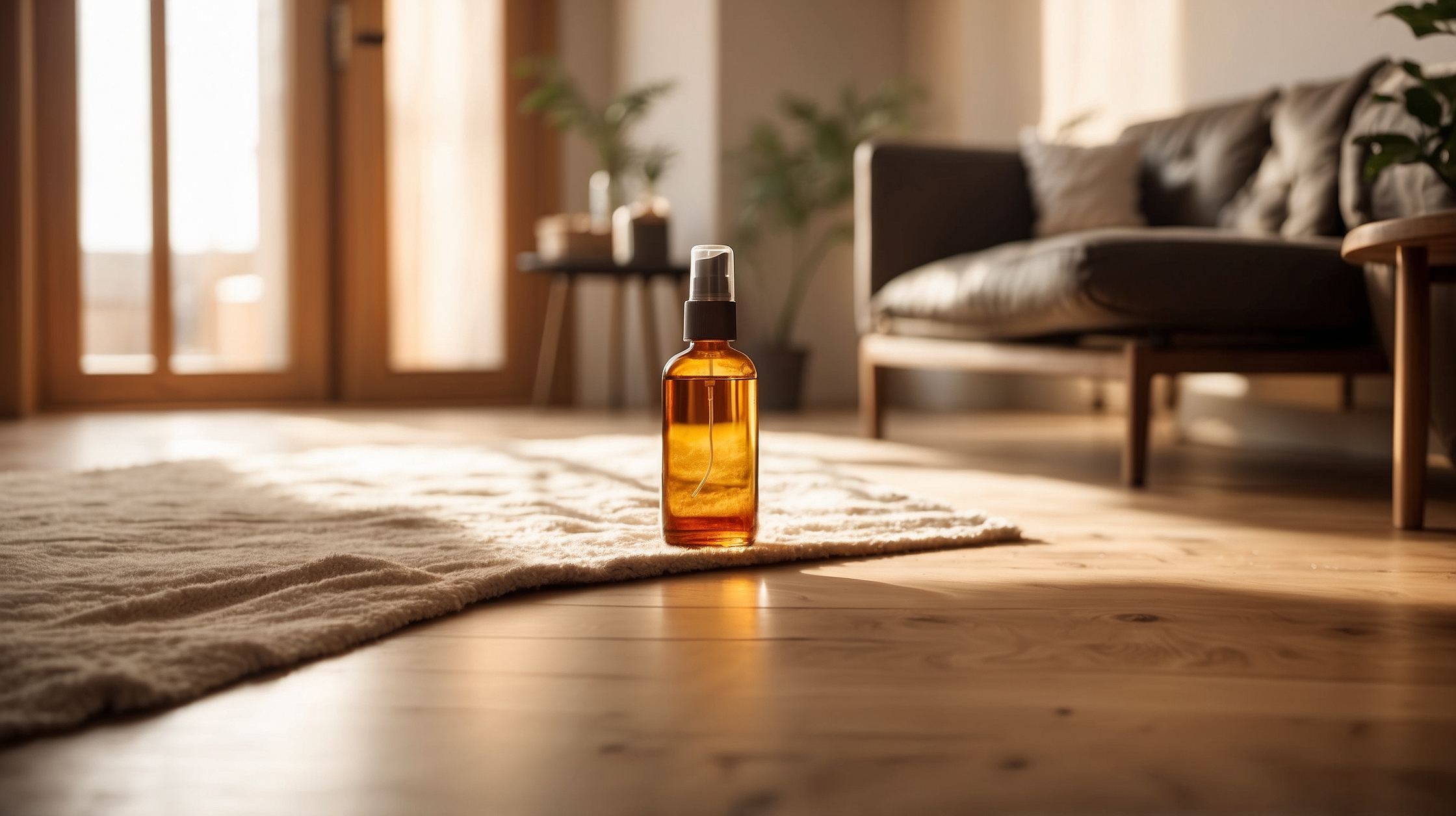
Hardwood floors can elevate the elegance of any home, but maintaining their shiny, polished appearance often feels like a battle against time—and grime. Over the years, many homeowners have reached for familiar but potentially damaging remedies like vinegar or wax, only to find their floors looking dull or streaky. Fortunately, there’s a game-changing, simple home trick making waves among cleaning enthusiasts—an effortless method to restore natural luster without resorting to harsh chemicals or toxic substances.
In the search for the perfect floor maintenance solution, it turns out that a key to rejuvenating hardwood may already be in your pantry or laundry room. This breakthrough tip bypasses vinegar, which can slowly erode wood finish, and wax, which quickly builds up and becomes difficult to remove. Instead, it relies on a gentler, smarter approach that’s already winning over households and cleaners alike. Here’s everything you need to know to get your hardwood floors gleaming again effortlessly—and safely.
Quick Overview: What works for restoring hardwood shine at home
| Method | Safe for Wood? | Cost | Time Required | Results |
|---|---|---|---|---|
| Vinegar Solution | No (can degrade finish) | Low | Low | Dull over time |
| Wax Treatment | Yes, but not recommended frequently | Medium | Medium-High | Glossy, but builds residue |
| Steam Cleaning | No (moisture risk) | Medium | Medium | Can damage floors |
| Microfiber Towel + Fabric Softener Mix | Yes | Low | Low | Shiny & Safe |
Why vinegar and wax are no longer the go-to solutions
For decades, vinegar has earned a reputation as a “natural cleaning miracle,” but on hardwood floors it’s anything but. Its acidity, while great for cutting through soap scum or cleaning windows, can slowly strip the polyurethane coating from wooden floors, eventually leaving them exposed and lifeless. Similarly, while wax-based products seem like an obvious choice for achieving shine, they actually create layer upon layer of buildup over time—making maintenance more difficult and even attracting more dust.
Another common mistake is frequent mopping or steam cleaning, which introduces too much water to the brittle surface of wood. Repeated wet cleaning can warp, swell, or dull the finish, especially on untreated or thinner engineered planks. The need for a gentler, safer, and more foolproof solution has never been more clear.
The secret method that’s both simple and stunning
So what’s the better alternative? Experts and cleaning pros are now recommending a homemade solution made of **fabric softener and warm water**, used with a plush **microfiber towel**. This unassuming duo brings out the floor’s natural sheen without eroding the finish. The cloth allows for even distribution and gentle buffing action, while the fabric softener lightly lifts grime and reduces static that attracts dust.
To create the mixture, simply add one capful of liquid fabric softener into a gallon of warm water. Dampen a microfiber cloth with the diluted mix, wring it out well, then attach it to a flat mop or use it by hand. Gently glide it across the floor in the direction of the wood grain. The trick is not to soak the floor, but to give it a quick, even rubdown that enhances its luster and removes fine particles.
“Contrary to traditional advice, a bit of well-diluted fabric softener can actually work magic on hardwood—without any risk of buildup or etching like vinegar and wax products.”
— Jane Holloway, Professional Home Organizer
Why this method works better than traditional ones
Fabric softeners contain small amounts of non-toxic lubricants that cling to fabric fibers to reduce static and soften textures. When evenly diluted, these same compounds can safely coat hardwood surfaces, trapping dust particles and gently refreshing the surface. Microfiber, with its ultra-fine weave, helps distribute the mix evenly across the floor while lifting grime rather than pushing it around. The result is a **cleaner surface**, with a noticeable increase in shine—minus streaks or sticky residue.
This method doesn’t just enhance appearance—it also protects your floors in the long run. Since the approach uses minimal moisture, there’s far less danger of water damage, warping, or mold growth beneath the planks. And because the solution contains anti-static agents, your cleaned floors will repel dust for a longer period, reducing overall maintenance frequency.
How to treat different types of hardwood finishes
Not all hardwood floors are the same. Depending on whether your wood has a **matte, satin, or glossy polyurethane finish**, the effectiveness of this method may vary slightly, but results are generally consistent across finish types. Always test a small section before treating an entire room.
- Glossy Finish: Responds brilliantly to this method, with instant revival of deep reflective shine.
- Satin Finish: Optimal results with minimal streaking and beautiful natural glow.
- Matte Finish: Shine is less pronounced but still refreshed and clean-looking.
Older hardwood floors with worn sealants or exposed wood may not benefit as much from this cleaning method. For these, consider refinishing before applying any shine-restoring treatments.
A step-by-step guide for best results
- Vacuum or sweep the floor thoroughly to remove dry dust and particles.
- Prepare the solution: one capful of fabric softener per gallon of warm water.
- Dampen a microfiber towel or mop pad in the solution. Wring until barely moist.
- Apply to the floor following the grain of the wood. Work in small, manageable sections.
- Allow to air dry—or buff lightly with a clean microfiber cloth for a quicker shine boost.
“It’s not always about using stronger products. Sometimes a thoughtful, gentle method delivers better long-term care.”
— Mark Levens, Flooring Specialist
Common mistakes to avoid when cleaning hardwood floors
- Over-wetting the floor: Even a small amount of standing water can damage the wood.
- Using harsh chemicals or vinegar repeatedly: These erode protective coatings.
- Allowing dust to build up: Dirt acts like sandpaper underfoot and dulls finish.
- Skipping routine maintenance: Shine fades faster on neglected floors.
By avoiding these frequent pitfalls and incorporating this fabric softener method consistently every few weeks, you’ll dramatically extend the appearance, longevity, and cleanliness of your hardwood flooring.
Benefits beyond shine
This method not only brings your floors back to life—it makes the whole cleaning process lighter, easier, and more eco-conscious. By avoiding waxes and vinegar, you’re also sparing your home from chemical smells, buildup, and potential allergens. Even better, microfiber cloths are reusable and eco-friendly. Over time, this method proves to be both **cost-effective and safer** for households with children, pets, or allergies.
Short FAQs for quick reference
Can I use this method on all hardwood floors?
Yes, except for raw or unfinished wood. Always test in a hidden area first for safety.
How often should I apply this cleaning method?
Once every 2–3 weeks is ideal for maintaining shine without over-treating the surface.
Will the fabric softener make floors slippery?
No, if well-diluted and used in moderation. Avoid oversaturating the cloth.
What if my floors have deep scratches or scuffs?
This method enhances shine but won’t fix deep abrasions. Consider refinishing in those cases.
Is this safe for engineered hardwood or laminate?
It is mostly suitable for sealed surfaces. Avoid on laminate unless confirmed by manufacturer.
Can I add essential oils to the solution for scent?
Yes, a drop or two of lavender or lemon oil can add fragrance without harming the floor.
What type of microfiber towel is best?
Use a high-pile microfiber cloth designed for delicate surfaces, ideally one made for wood care.


