
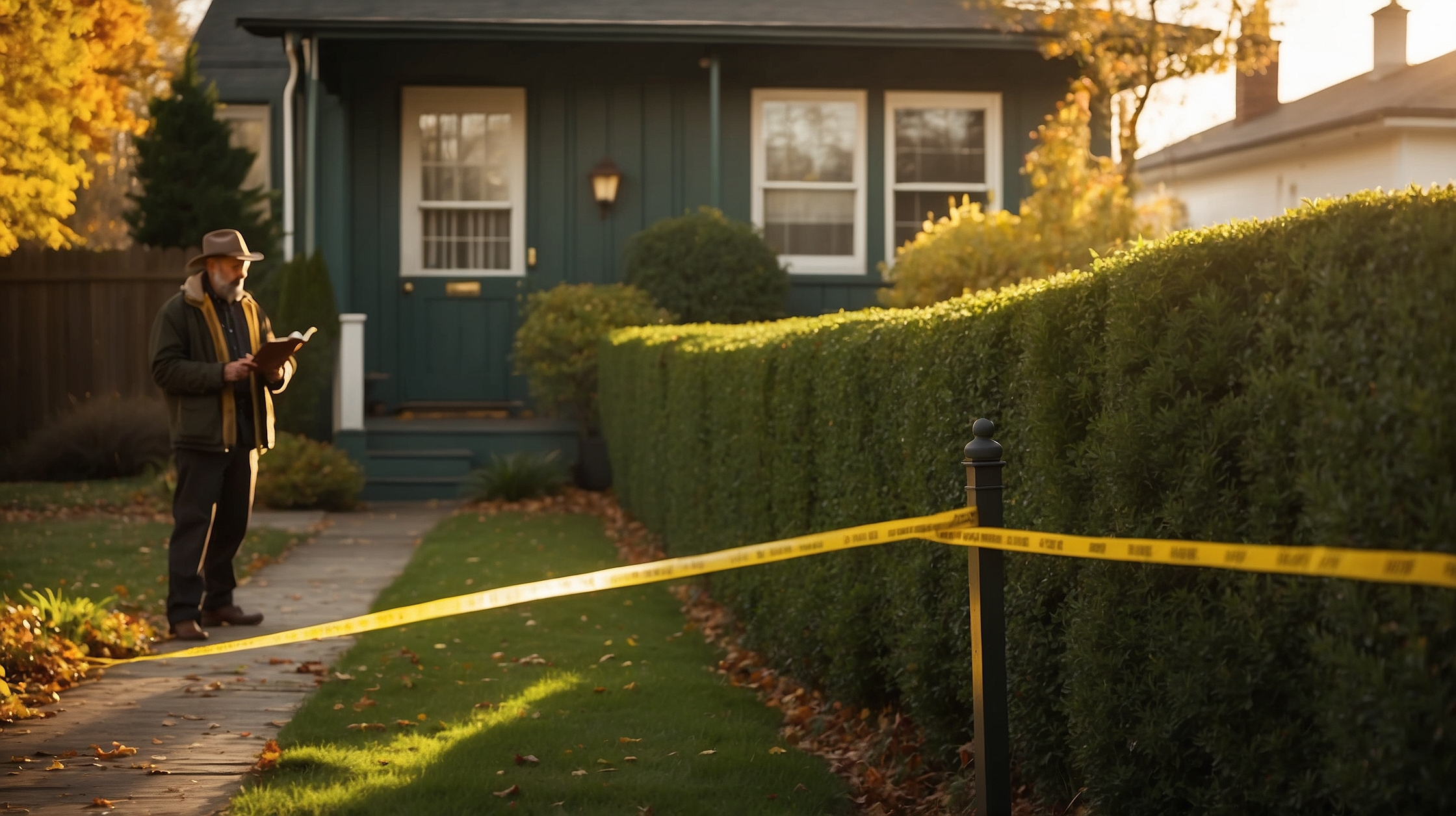
Neighborhood tranquility just received an official boost, thanks to a new rule effective from February 15. Property owners across the country must now keep their hedge heights in check, or risk being fined. Under the new regulations, any hedge, shrub, or plant that borders a neighboring property and exceeds **2 meters in height** is subject to mandatory trimming. The updated rule aims to curb long-standing disputes between neighbors over overshadowing greenery and to preserve access to sunlight and open views.
This legislative update comes in response to a rising volume of neighborhood complaints and local authority interventions. For years, disputes around tall hedges have strained community ties and caused legal headaches. This new national standard brings clarity, empowering affected residents with formal recourse while setting enforceable vegetation management benchmarks for all property owners.
Quick overview of the new hedge height rules
| Effective date | February 15, 2024 |
| Applies to | All residential properties with boundary-adjacent hedges |
| Key specification | Hedges over 2 meters tall must be trimmed |
| Penalty for non-compliance | Fines or enforced trimming orders |
| Enforcing authority | Local councils and municipalities |
What changed this year
Previously, rules governing the height of hedges were either vague or handled inconsistently across different jurisdictions. Residential property owners were left to negotiate disputes without a clear standard. In many cases, only formal legal complaints or anti-social behavior laws could be applied, leaving neighbors to navigate complex and often expensive legal routes.
As of February 15, the new unified law introduces a compulsory upper limit of 2 meters (about 6.5 feet) for hedges that sit along property boundaries. If a neighbor registers concern about an overgrown hedge exceeding this height and it hasn’t been addressed voluntarily, the local authority is now empowered to investigate and impose a fine if warranted. Additionally, the hedge owner will be expected to cut it back at their own expense.
Who qualifies and why it matters
This rule matters particularly for residents living in residential areas where close-set houses already pose privacy and sunlight challenges. Any property surrounded by or adjacent to another is potentially affected—especially those whose gardens already suffer from shade due to towering vegetation growth.
It’s also important to note that this law is not limited to tall trees. It applies to multi-stemmed shrubs, conifer hedgerows (like Leylandii), and other evergreen barriers that serve as boundary division between properties. Structures like fences or trellises are not subject to this height requirement unless they support plant growth that qualifies as a hedge.
Hedge owners must remain aware of the rule even if their neighbors do not file a complaint. Once a hedge crosses the 2-meter height threshold and borders another property, it’s considered a potential breach, especially if it impacts light or enjoyment of the neighbor’s space.
How trimming orders work and penalties involved
If a neighbor feels that a high hedge is affecting their property’s light or quality of life, they can now contact the local council to lodge a formal complaint. Upon receiving the notice, the local authority will conduct a site assessment and may issue a formal Remedial Notice to the hedge owner.
This notice will outline the specific actions that must be taken—such as the height to which the hedge must be trimmed and by when. Refusing to comply can result in fines typically ranging from £100 to £1,000, and the municipality may step in to carry out the trimming at the owner’s cost.
In repeated or egregious situations, additional costs and enforcement actions may be levied. Importantly, appeals can be made through proper channels, but timing and justification are critical to receiving favorable consideration.
Which types of properties are most affected
While these rules apply broadly to all residential properties, urban areas with terraced and semi-detached homes are likely to feel the most impact. In these settings, lack of natural open space means the effect of a towering hedge can be intense — blocking views, light, and even satellite signals. Suburban and rural homes with large gardens will still need to comply but may experience fewer reports due to wider distances between dwellings.
Shared property boundaries are where the bulk of complaints are expected to arise. Homeowners who inherit mature hedges or purchase homes with ill-managed greenery are advised to assess hedge heights immediately and take proactive action before a complaint is filed.
Key benefits for everyday residents
While this rule adds an obligation for hedge owners, the positive implications for communities are significant. Better lighting, less overgrowth, and improved airflow are just the beginning. Authorities also note that less dense boundaries could enhance surveillance for crime prevention and open up visual continuity through neighborhoods.
Care must be taken to execute trimming properly, using professional services if needed. An uneven or aggressive cut could ruin the aesthetic of the hedge or worse, damage its long-term growth. In all cases, open communication with neighbors is encouraged before and after trimming is done, even if no complaint was made.
“The 2-meter rule will finally bring consistency to one of the most common disputes we hear about as councilors. It empowers both property owners and residents to live more peacefully.”
— James Ainsley, Landscape Compliance Officer
“We recommend homeowners don’t wait for notices. Regular trimming and good-neighbor conversations go a long way toward peace and compliance.”
— Carol Bennett, Chartered Arborist
Future developments and enforcement trends
Authorities plan to monitor enforcement activity across cities and towns to ensure that the rule is being applied fairly. If reporting volumes significantly increase, funding may be allocated for councils to create dedicated units dealing with vegetation complaints specifically.
Technology may also play a role. Some local governments are exploring mobile apps and online platforms where residents can upload photos and automatically assess whether a hedge might exceed legal height, based on GPS and image recognition tools. While not yet in place, these innovations signal a stronger future focus on streamlined enforcement and clarity.
Winners and losers of the new hedge regulation
| Winners | Losers |
|---|---|
| Neighbors affected by dense overgrowing hedges | Property owners neglecting hedge maintenance |
| Homebuyers looking for better solar exposure | Landlords ignoring greenery obligations |
| Councils seeking standardized enforcement mechanisms | Non-compliant hedge owners facing fines |
Frequently Asked Questions
What happens if I don’t cut down my over-height hedge?
If a formal complaint is filed and you’re issued a remedial notice by your local council, failure to comply can lead to fines and enforced hedge trimming at your cost.
Does the 2-meter rule apply to trees as well as hedges?
The rule primarily applies to hedgerows and shrubs forming a continuous boundary. Isolated single trees generally fall under different regulations.
Can I trim my neighbor’s hedge if it overhangs on my side?
Yes, you’re allowed to trim branches that overhang onto your property, but you must not damage the hedge or access their land without permission.
How tall is 2 meters in everyday terms?
2 meters is approximately 6 feet 6 inches — roughly the height of a tall adult man or slightly taller than a standard door frame.
Do I need permission to trim my own hedge under this rule?
No, you’re encouraged to manage your hedge proactively. However, use professional services for high or difficult sections to avoid injury and ensure legal alignment.
Who do I contact to make a formal hedge complaint?
If you’ve attempted to resolve the issue amicably and failed, your local council’s environmental or planning department is typically responsible for taking up the complaint.
Can I appeal a hedge height notice?
Yes, most councils allow appeal within a specified time frame, typically 28 days from the notice date. Documentation and reasons must support your challenge.
Does this rule apply to public or park hedges?
No, the regulation is focused on privately owned hedges between residential properties. Public park landscaping is handled separately by municipal authorities.


