
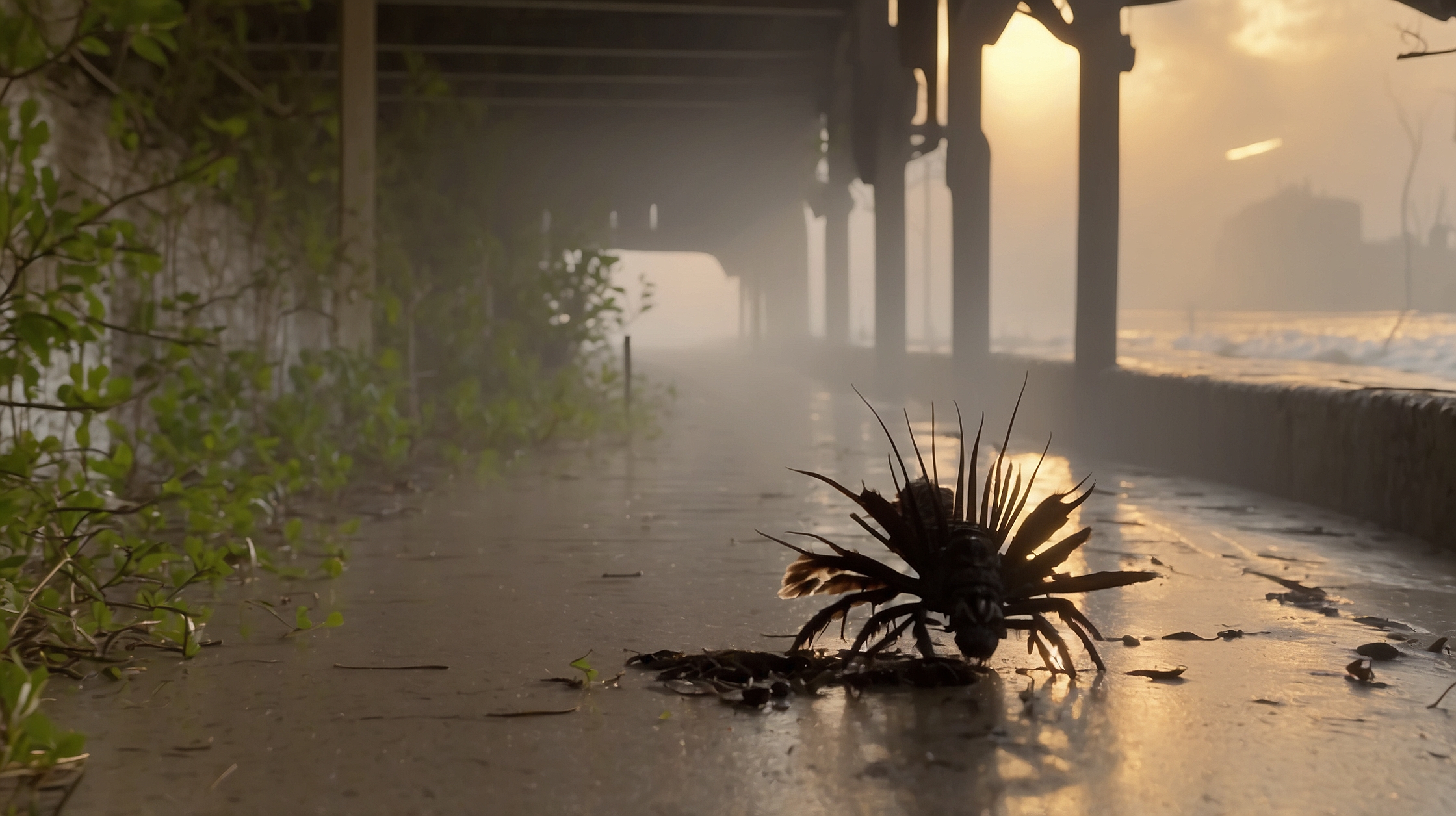
In a stunning turn of ecological events, officials have confirmed the first sighting of an invasive species in a location where it has never been recorded before—raising serious concerns over native biodiversity, environmental health, and agricultural stability in the region. Conservation experts and environmental regulators are now scrambling to assess the situation, understand the motivation behind the unexpected appearance, and implement immediate containment strategies before the species becomes a permanent resident.
The invasive species—kept unnamed by authorities during the initial response phase—is being described as a “high-risk threat,” capable of quickly displacing native flora and fauna. According to state wildlife officials, this disturbance is not only unexpected but particularly alarming due to the ecosystem’s lack of any prior exposure or resistance to the intruder. The incident has triggered emergency meetings among biologists, regional environmental agencies, and policymakers to discuss rapid assessment, containment, and eradication strategies.
Overview of the invasive species alert
| Species Identified | TBD (classified during early response) |
| First Sighting Location | Undisclosed region pending investigation |
| Date of Discovery | Early June 2024 |
| Native Regions | Tropical and subtropical zones internationally |
| Main Threat | Threat to native species, crops, and ecosystems |
| Response Priority Level | High (active containment underway) |
Why this sighting is especially alarming
This sighting marks the first time this particular organism has been confirmed in the region, suggesting either a shift in its environmental adaptability or human-assisted movement into unfamiliar territories. Unlike other commonly known invaders whose spread can be predicted or monitored through established migration patterns, this case is being treated as a complete anomaly. Environmental scientist teams were dispatched immediately upon confirmation to assess the degree of spread and potential points of entry.
“The element of surprise in this situation elevates the urgency of our response,” emphasized a senior biologist with the state’s department of natural resources. Being novel and unpredictable, this encounter poses an “unquantifiable ecological risk” until more information surfaces. Early signs already point to the invasive species’ remarkable reproductive potential and competitive dominance, both of which could destabilize local ecosystems resulting in cascading biodiversity losses.
How invasive species disrupt local ecosystems
Invasive species create havoc by outcompeting native organisms for food, space, and other vital resources. Often devoid of natural predators in their new environments, these intruders are able to multiply unchecked. This leads to declines or even local extinctions of native species, which then disrupts predator-prey relationships, pollination networks, and ecosystem services such as nutrient cycling and water purification.
A single species of invasive plant, insect, or fungus can decimate agriculture, threaten fish populations, or render once-thriving wetlands barren. Human activities—such as global trade, exotic pet releases, or the transport of plants and soil—are common pathways that accelerate biological invasions. The highly mobile, interconnected state of global commerce today makes it easier for such destructive species to slip through borders.
What agencies are doing to stop the spread
The regional environmental protection unit, in collaboration with federal wildlife experts, has moved quickly to isolate the confirmed area and restrict any movement of soil, plant life, and related organic material. A temporary quarantine has been established. Public notifications warn against transporting landscaping materials, while drone surveillance and field patrols are active in neighboring zones.
“We are implementing a full-scope containment emergency protocol, especially since we are still learning about the biological nature of the organism.”
— Dr. Maya Chapman, Lead Invasive Species Biologist
Further DNA and physical sample analysis is underway at local laboratories, which will guide next steps in managing or eradicating the species. Depending on findings, chemical applications, controlled burns, or the introduction of biological control agents may be proposed as strategic interventions.
Previous outbreaks and lessons learned
Historically, invasive species tend to spread swiftly when early responses are delayed or ineffective. Both the emerald ash borer and zebra mussels are recent examples of how an initial underestimation led to ecological disasters whose recovery costs soar into billions. These precedents emphasize the importance of acting swiftly, educating the public, and enforcing transportation regulations during critical windows for containment.
The current situation is being compared to the early discovery phase of these previous invasions, marking a potentially pivotal moment: inaction now could leave lasting damage not just to nature, but to industries reliant on agricultural, aquatic, and forestry resources.
Warning signs for residents and landowners
Authorities are advising landowners and outdoor enthusiasts to keep a watchful eye for signs that may indicate the presence of invasive species. These include unusual patterns of plant decay, dieback in native trees or shrubs, atypical insect swarms, or sudden shifts in bird and animal populations. Any suspicious findings should be reported immediately to local environmental hotlines or wildlife centers.
“Public involvement is critical at this stage. The success of our containment relies heavily on citizen vigilance,” noted a spokesperson from the local forestry commission.
Potential winners and losers of the ecosystem shift
| Winners | Losers |
|---|---|
| Generalist species that adapt quickly to environmental disruption | Native plant and animal species with narrow environmental niches |
| Opportunistic predators and scavengers | Agricultural producers in affected region |
| Invasive species pest control firms | Local conservation organizations with limited emergency funding |
Where we go from here
As research into the exact identity and origin of this incursion continues, it is already evident that awareness, community cooperation, and swift, science-based actions are the best strategies forward. The situation serves as a critical reminder of the delicate balance inherent in established ecosystems and the immense impact that one rogue species can impose.
“We’re facing a turning point. There’s still time to act decisively and protect our natural heritage—but the clock is ticking.”
— Clara Molina, Regional Conservation Policy Advisor
Updates from government agencies are expected to escalate over the coming weeks as more is discovered about the species’ range, habits, and potential longevity in the region’s climate. Until then, vigilance and caution have become the top priority for both environmental experts and everyday citizens.
Frequently Asked Questions
What is an invasive species and why are they dangerous?
An invasive species is a non-native organism that causes harm to the environment, economy, or human health after being introduced to a new area. They are dangerous because they often lack natural predators, allowing them to outcompete local species and disrupt ecosystems.
How do invasive species typically arrive in new regions?
They often arrive through international trade, transportation of plants and soil, or accidental release by humans. Travel, shipping containers, and even natural events like storms can transport them over long distances.
What steps should I take if I spot an unusual plant or animal?
Photograph it carefully without disturbing it and report the sighting to your local environmental or wildlife agency. Avoid transporting it or any surrounding materials.
Can invasive species be eradicated once they arrive?
It is difficult but not impossible. Early detection and rapid response significantly improve the chances of successful eradication. Methods vary by species and may include manual removal, biological control, or targeted chemical treatments.
Who is responsible for invasive species management?
Responsibility often falls on a combination of federal, state, and local environmental agencies. In many cases, universities and research institutions provide expertise, while the public plays a critical role in early detection.
Are invasive species always visible?
Not always. Some organisms like fungi or microorganisms operate underground or within host plants/animals, making them extremely hard to detect in early stages.
How is the public being kept informed about this event?
Authorities are issuing alerts via press releases, community bulletins, and collaboration with local agricultural and environmental networks. Ongoing lab results and containment efforts will shape continued communication.
What can I do to prevent the spread of invasive species?
Clean your hiking boots, gear, and vehicles after visiting natural areas. Avoid transporting firewood, soil, plants, or water unless you are sure they are pest-free. Educate others and obey local quarantine guidelines.


