
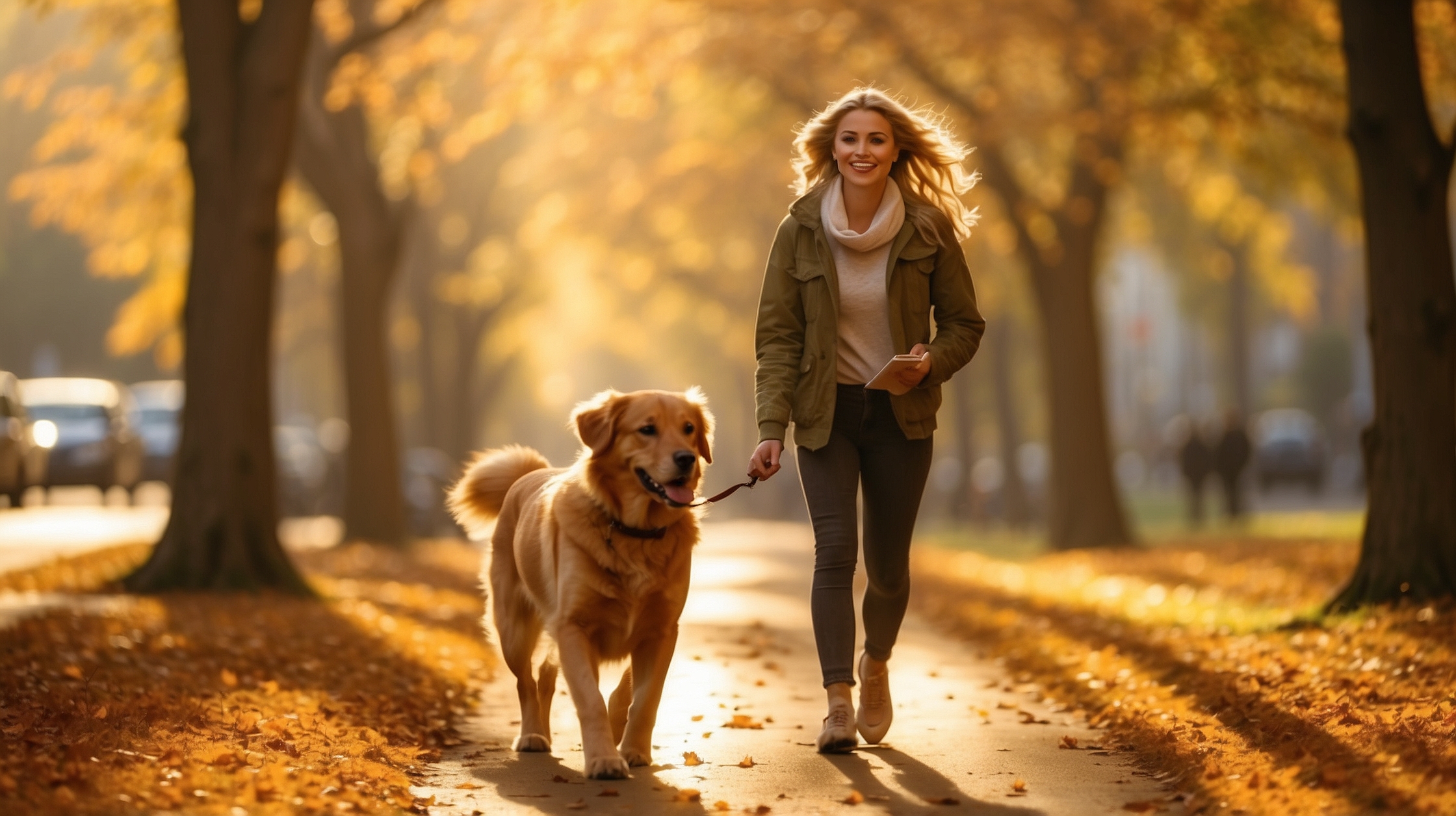
Ever caught yourself instinctively reaching out to pet a dog during your morning walk, even if it belongs to someone you’ve never met? You’re not alone—and now, psychologists say that this seemingly small action might reveal more about your personality than you think. Greeting unfamiliar dogs on your daily stroll may seem like a harmless social ritual, but according to recent psychological research, it actually correlates with specific behavioral traits and emotional inclinations. This newfound connection adds another layer to the science of human-animal interactions, offering insight into how our social behaviors are impacted by the four-legged companions we encounter.
This intriguing behavior—initiating interaction with unknown dogs—has long been observed but not deeply studied. The results are now in, and they suggest a strong association between this choice and certain personality profiles, notably extroversion, openness, and emotional empathy. The study breaks down how individuals who greet unknown dogs tend to score higher in these traits, combining psychological data with observational research to draw its conclusions. If you’ve ever wondered what your reaction to a tail-wagging stranger says about you, read on—you might learn something new about yourself.
Overview of the Study and Key Findings
| Study Focus | Interacting with unfamiliar dogs during walks |
| Primary Traits Linked | Openness, Extroversion, Empathy |
| Lead Researchers | Psychologists specializing in human-animal interaction |
| Key Behaviors Analyzed | Initiating petting, verbal greetings, eye contact with dogs |
| Demographic Trends | Most prevalent among women and young adults |
The science behind friendly dog greetings
According to recent research in behavioral psychology, people who frequently greet strange dogs display noticeable differences in their psychological makeup compared to those who don’t. The study analyzed over 1,000 participants, observing their behavior during everyday dog encounters and pairing it with comprehensive personality tests. The results? People who forgo a quick head nod toward the owner and instead crouch down to offer a belly rub are more likely to possess higher scores in *social openness*, *extroversion*, and *emotional sensitivity*.
The premise stemmed from an increasingly common anecdotal observation: that people who go out of their way to interact with dogs in public settings seem to possess a naturally sociable demeanor. Researchers wanted to put that notion to the scientific test, and their hypothesis didn’t disappoint. Connecting with dogs, even if only for a few seconds, serves as a microcosm of broader behavioral tendencies seen in socially oriented individuals.
Personality traits and what they reveal
What exactly does it mean to have higher levels of openness or emotional empathy? In psychological terms, openness is the trait associated with curiosity, imagination, and a willingness to explore novelty—including meeting new animals. Extroversion, on the other hand, denotes high energy levels, sociability, and assertiveness, all of which can be reflected in the way someone approaches a stranger’s dog. Meanwhile, empathy signifies a deep emotional understanding of others—human or animal.
Researchers concluded that a dog greeting is not trivial—it’s a *social and emotional decision*. It often involves analyzing the dog’s body language, predicting the owner’s reaction, and deciding to cross invisible social boundaries. This type of decision-making calls upon specific parts of the brain and certain personality traits that differentiate people who engage versus those who don’t.
How age and gender play a role
Demographic trends in the study also revealed interesting patterns. Younger participants were significantly more likely to interact with unfamiliar dogs than their older counterparts. Women, in particular, scored the highest in consistent dog-greeting behaviors, which correlated with higher reported empathy and social concern levels.
“Dog greeting may act as a litmus test for emotional availability and openness in social settings.”
— Dr. Emma Langston, Animal Behavior Psychologist
In contrast, older individuals, particularly men over the age of 50, were least likely to engage with unfamiliar dogs. This pattern supports the observation that age and shifting social priorities influence how one responds to non-verbal emotional stimuli, such as interactions with pets.
A silent language of trust and comfort
For many, dogs serve as emotional anchors amid social or mental stress. Greeting a dog can release oxytocin, the “feel-good” hormone, even in micro-interactions. Researchers say this reaction is less about the dog and more about what dogs represent—trust, affection, and uncomplicated communication. For extroverts or empathetic individuals, these micro-bursts of positivity align well with their broader psychological needs and reinforce their behavioral patterns.
“Petting a dog in passing gives people a moment of connection without the complexities of human interaction. That’s very telling.”
— Dr. Hana Reitz, Clinical Psychologist
This emotional payoff, although subtle, helps explain why certain individuals instinctively gravitate toward greeting dogs. It’s a natural feedback loop: they interact, feel good, and reinforce their personality-driven tendencies toward connection and empathy.
Urban, suburban, and rural differences
Geography appears to influence behavior as well. Urban environments, where dogs on leashes are commonplace, often create more opportunities for public interaction. Suburban areas had slightly lower interaction rates, and rural residents reported the least amount of dog greeting behavior—likely due to leash laws and property constraints rather than personality differences alone. Nonetheless, participants living in cities also tended to score higher in traits like openness and social fluidity.
Do dog owners behave differently?
Unsurprisingly, dog owners were notably more inclined to greet other dogs. Their familiarity with canine body language and assumed social script “allowed” them to approach more freely. However, when compared for personality differences, even *non-dog owners* who approached dogs showed comparable high scores in empathy and sociability. This demonstrates that prior experience isn’t always a predictor—natural disposition also plays a pivotal role.
Implications for human behavior and mental health
Psychologists believe this pattern of behavior could be useful for understanding larger social tendencies and even in clinical evaluation. For instance, in therapeutic settings that involve animal-assisted therapy, initial willingness to engage with unfamiliar animals might provide cues to a patient’s *emotional readiness.* It could also guide personalized therapy decisions for those suffering from social anxiety, depression, or trauma.
“We may one day use something as simple as a dog greeting to gauge emotional intelligence or screen for therapy readiness.”
— Dr. Camille Ortiz, Therapist & Animal-Assisted Therapy Expert
Winners and losers of this behavioral insight
| Winners | Losers |
|---|---|
| People high in empathy and openness | Those with social anxiety or aversion to pets |
| Therapists using animal-assisted therapy | Individuals in areas with limited dog exposure |
| Dog owners open to community interactions | Highly introverted individuals uncomfortable in public spaces |
Short FAQs about greeting unfamiliar dogs
Is it safe to greet unfamiliar dogs in public?
Generally yes, but it’s crucial to observe the dog’s body language and ask the owner for permission before initiating contact.
Do people who greet dogs tend to be more empathetic?
According to the research, yes. Emotional empathy is strongly correlated with this behavior.
Are introverts less likely to greet dogs?
Yes, introverts typically avoid spontaneous social interactions, including with dogs they do not know.
Do men and women behave differently toward unknown dogs?
Yes. Women were found to greet strange dogs more often, often due to higher empathic attentiveness.
Can this behavior signal mental health tendencies?
Potentially. It may offer insight into social comfort, emotional intelligence, and openness to connection.
Does owning a dog affect your likelihood to greet others’ dogs?
Yes, dog owners were more likely to approach unfamiliar dogs and initiate greetings.
Is dog greeting considered an extroverted behavior?
Yes. The research aligns this type of engagement with extroversion and openness to experience.
Should therapists consider this behavior in assessments?
Possibly, especially in contexts where animal-assisted therapies are relevant or being considered.


