
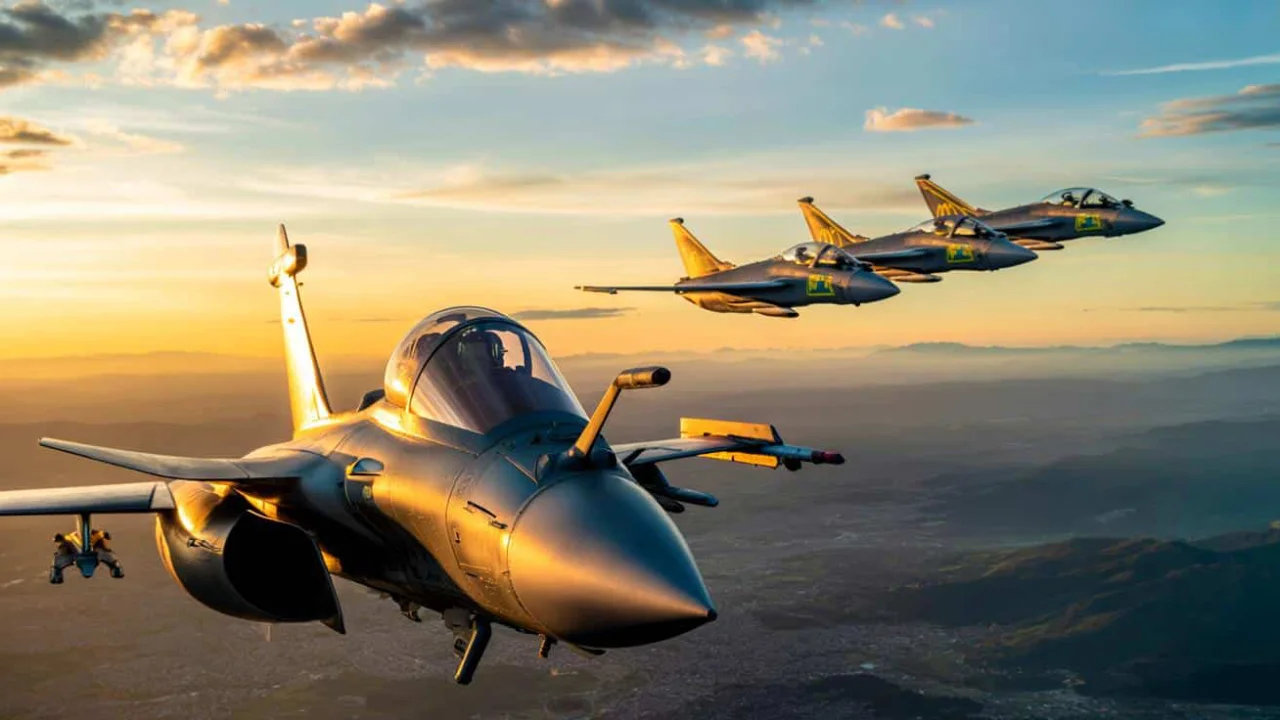
Imagine walking into your office one morning thinking you’re about to close the biggest deal of the year, only to find an email saying the client chose your competitor instead. Now multiply that frustration by €3.2 billion, and you’ll understand how French defense executives felt when Colombia pulled the plug on their Rafale fighter jet deal.
For three years, Dassault Aviation had been courting Colombia, confident their battle-tested Rafale would secure another export victory. The French were so sure of success that losing this massive contract felt like watching a sure touchdown get intercepted at the goal line.
But sometimes in business—and especially in international arms deals—being the favorite doesn’t guarantee you’ll win.
How France Lost Its Sure Thing
Back in 2022, Colombia’s defense ministry was shopping for new fighter jets to replace their aging fleet. Some of their current aircraft had been flying missions since the 1980s—older than many of the pilots who operate them today.
France’s Rafale fighter jet deal looked rock solid from the start. Dassault had offered 16 Rafale jets for approximately €2.96 billion, undercutting Sweden’s Gripen proposal by several hundred million euros. The Rafale had everything going for it: proven combat experience, advanced technology, and a string of recent export successes in countries like India and Egypt.
“The French package was comprehensive and competitive,” noted one defense industry analyst. “On paper, it should have been a straightforward decision.”
Yet Colombia shocked the defense world by choosing Sweden’s JAS 39 Gripen instead, agreeing to pay around €3.2 billion—significantly more than the French offer. The decision left French officials scrambling to understand what went wrong.
Breaking Down the Numbers
The financial details of this reversed Rafale fighter jet deal reveal just how significant this loss is for France:
| Aircraft | Offer Price | Number of Jets | Price per Unit |
|---|---|---|---|
| French Rafale | €2.96 billion | 16 | €185 million |
| Swedish Gripen | €3.2 billion | 16 | €200 million |
Beyond the immediate financial impact, this deal represents several strategic losses for France:
- Market presence: Colombia was France’s gateway to broader Latin American defense markets
- Industrial partnerships: Long-term maintenance and upgrade contracts worth billions over decades
- Geopolitical influence: Military partnerships often translate to broader diplomatic ties
- Reputation damage: Losing a “sure thing” raises questions about France’s competitiveness
“When you lose a deal you were expected to win, it sends ripples through the entire industry,” explained a former defense procurement official. “Other potential customers start wondering what they might be missing.”
Why Colombia Chose to Pay More
The most puzzling aspect of Colombia’s decision wasn’t just rejecting the Rafale—it was willingly paying hundreds of millions more for the privilege. This suggests the Gripen offer included benefits that went far beyond the aircraft themselves.
Sweden’s Saab has built a reputation for offering more than just fighter jets. They typically provide comprehensive technology transfer packages that allow countries to build significant portions of the aircraft domestically. For Colombia, this means:
- Job creation: Local assembly and maintenance facilities employing hundreds of Colombian workers
- Technology transfer: Access to advanced aerospace manufacturing techniques
- Industrial independence: Reduced reliance on foreign suppliers for routine maintenance
- Export potential: Possibility of becoming a regional hub for Gripen maintenance and upgrades
The Gripen also operates with different strategic considerations than the Rafale. While France maintains strict control over how its aircraft can be used and modified, Sweden typically offers more operational flexibility to customer nations.
“Colombia wasn’t just buying aircraft—they were buying into a long-term industrial partnership,” observed a Stockholm-based defense researcher. “The extra money represents an investment in their domestic aerospace capabilities.”
What This Means for the Global Fighter Market
The collapse of this Rafale fighter jet deal signals important shifts in how countries approach major defense purchases. Traditional factors like price and performance are increasingly taking a back seat to industrial cooperation and technology transfer.
For France, this loss stings particularly because the Rafale program had been on a winning streak. Recent export successes in India, Egypt, Qatar, and Greece had positioned the aircraft as one of Europe’s most successful fighter exports.
The timing couldn’t be worse for Dassault Aviation, which is facing increased competition from American F-35s, Swedish Gripens, and emerging alternatives from South Korea and Turkey. Losing a deal where they were the frontrunner raises questions about their export strategy.
“This reversal shows that being the cheapest or even the best on paper isn’t enough anymore,” noted an aerospace industry consultant. “Countries want partnerships, not just purchases.”
For Sweden’s Saab, the Colombian victory represents validation of their partnership-focused approach to international sales. The company has built its export strategy around offering comprehensive industrial cooperation rather than just competing on price or performance specifications.
Colombia’s choice also reflects a broader trend among mid-sized nations to diversify their defense suppliers. Rather than relying solely on traditional partners like the United States or France, countries are increasingly looking to build relationships with multiple suppliers.
FAQs
How much money did France lose when Colombia canceled the Rafale deal?
France lost a potential €2.96 billion contract, while Colombia ultimately spent €3.2 billion on Swedish Gripen jets instead.
Why did Colombia choose the more expensive Swedish fighter jets?
Colombia prioritized long-term industrial partnerships, technology transfer, and operational independence over the lower initial purchase price of the French Rafale.
How long had France been competing for this Colombian fighter jet contract?
France had been courting Colombia for approximately three years, with the Rafale listed as a frontrunner since 2022.
What aircraft will Colombia’s new Gripen jets replace?
The 16 Gripen fighters will replace Colombia’s aging fleet of Israeli-built aircraft, some of which have been in service for over 40 years.
Does this loss affect France’s other Rafale export opportunities?
While this specific loss is significant, France continues to compete for Rafale export contracts in other countries, though this setback may impact their competitive positioning.
How many Rafale jets has France successfully exported in recent years?
France has secured major Rafale export contracts with India, Egypt, Qatar, and Greece, making the Colombian reversal particularly surprising given recent successes.


