
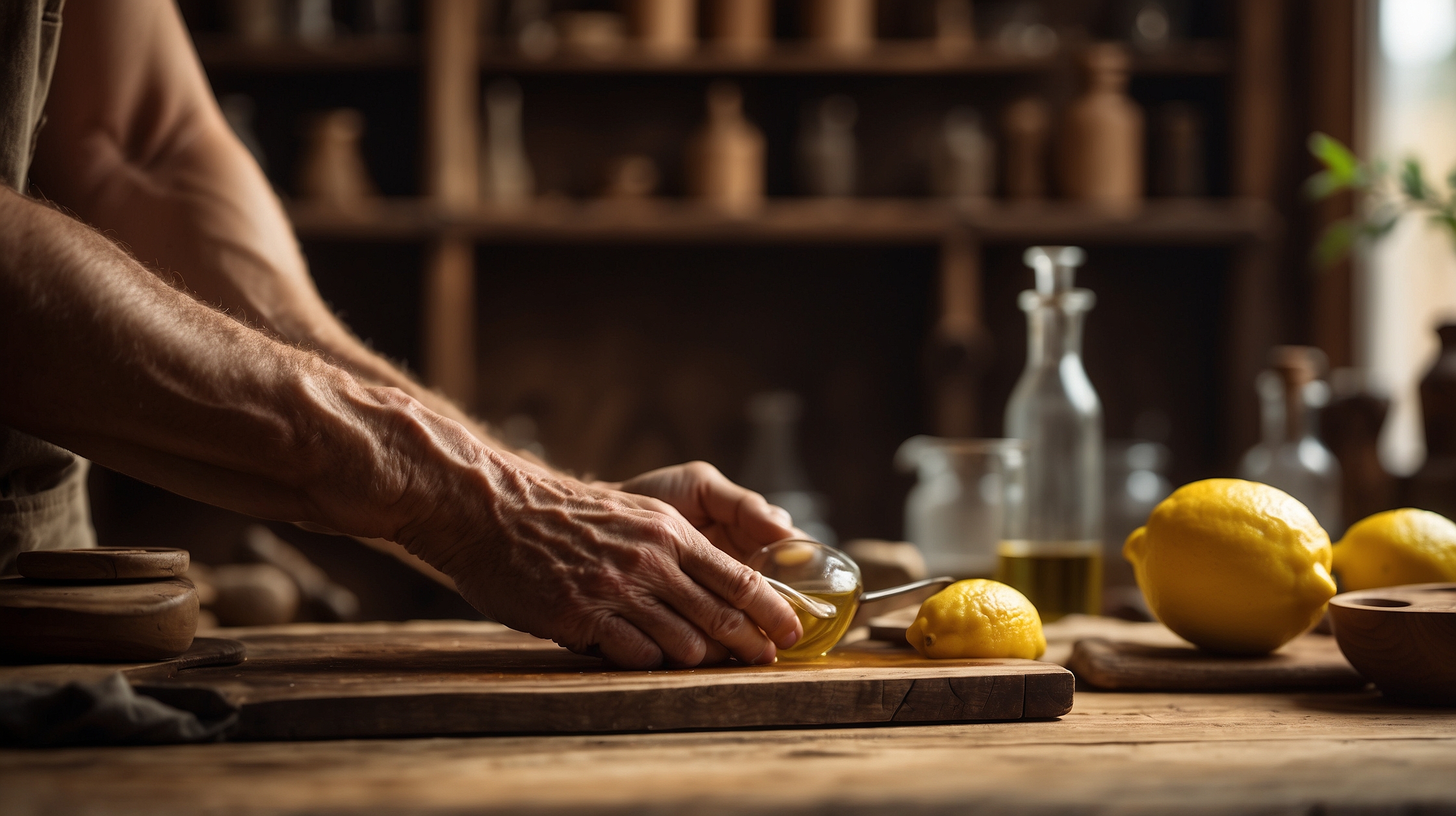
Refreshing and reviving old wooden furniture is often more than just a cosmetic fix—it’s a cost-effective and eco-conscious way to breathe new life into cherished pieces that hold both functional and sentimental value. Whether you’re restoring a vintage dresser passed down through generations or sprucing up that old coffee table that’s seen better days, professional furniture restorers confirm that you don’t always need expensive tools or chemicals. Sometimes, the best solutions are the simplest.
A growing number of restoration experts are turning to an easy, homemade method using ingredients most people already have in their kitchen cabinets. This technique not only revitalizes tired and worn wood but also protects it for years to come. And the best part? It requires no heavy sanding, stripping, or repainting. With just a little effort and the right formula, your home could be full of like-new wooden furniture without spending a fortune.
Old furniture restoration made simple
| Aspect | Details |
|---|---|
| Recommended Method | Homemade vinegar and oil solution |
| Ideal For | Old, dull, dry or lightly scratched wooden furniture |
| Application Time | Less than 30 minutes per item |
| Ingredients Needed | White vinegar, olive oil, soft cloth |
| Main Benefits | Restores shine, reduces scratches, nourishes wood |
| Expert Approved | Yes, widely recommended by restoration specialists |
What makes wooden furniture look aged
Over time, wooden furniture naturally begins to lose its appeal. Exposure to sunlight, temperature changes, everyday wear and tear, and neglect can all weaken the finish and dry out the wood. Microscopic scratches, dull surfaces, and a lifeless tone are common signs of aging in wood pieces. If left untreated, these seemingly cosmetic issues can develop into deeper cracks, warping, and even rot.
This deterioration isn’t necessarily due to poor craftsmanship or bad materials—wood is an organic material that reacts to its environment. That’s why even high-quality heirloom pieces can fall victim to time if not properly maintained. However, routine care and the occasional refresh with nourishing ingredients can dramatically extend their life and beauty.
The simple homemade mix experts recommend
Many professional homeowners and skilled restorers use a mix of **white vinegar and olive oil** to bring old wooden furniture back to life. The solution is simple yet incredibly effective:
- Mix 1 part white vinegar with 3 parts olive oil.
- Shake the mixture well to blend it thoroughly.
- Apply a small amount to a soft cloth.
- Rub it gently into the wooden surface following the grain.
- Buff with a clean, dry cloth to reveal a refreshed finish.
The vinegar acts as a gentle cleaner, removing lingering residue, grime, or wax, while the olive oil penetrates the wood to replenish moisture and enhance its natural luster. This blend is ideal for those hesitant to use commercial furniture polishes packed with silicones and artificial gloss enhancers, which can compromise the integrity of the wood over time.
We’ve used the vinegar and oil method on hundreds of pieces. It’s surprisingly effective and brings out the character of the wood without over-saturating it or leaving sticky residue.
— Karen Wyatt, Antique Furniture Restorer
Tips for best results when applying the solution
While the vinegar and oil method is safe and simple, using proper technique ensures the most striking results. Start by washing your piece with a lightly dampened cloth to remove any dust or dirt. For heavily soiled items, use a gentle wood cleaner before applying the homemade mixture.
Apply the solution sparingly. Oversaturating can cause wood to absorb too much oil, potentially softening any finishes or varnishes. Always test a small, inconspicuous area first—especially on antiques or unfamiliar finishes. If in doubt, consult a professional conservator before proceeding with delicate or historically significant furniture.
Finish the process by buffing the wood with a clean microfiber cloth. Not only does this step remove excess oil, but it also gives the surface a beautiful, even sheen.
Items that benefit most from this solution
This treatment is ideal for a wide range of wood items, including:
- Coffee tables
- Wooden chairs and benches
- Sideboards and dressers
- Dining tables
- Wood bed frames
- Picture frames
- Cabinets and drawers
Pieces with fine detailing or turnaround legs can especially benefit, as the oil helps highlight intricate carvings and moldings. Avoid using the solution on lacquered or high-gloss finishes, as vinegar may dull the sheen over time.
Benefits beyond appearance
Aside from making your furniture look significantly better, this homemade solution carries additional perks. Olive oil contains conditioning properties that help prevent wood from drying and cracking. Applied routinely—every few months—it can maintain structural integrity while slowing signs of aging. The vinegar also neutralizes mold spores and bacteria, contributing to a cleaner, healthier home environment.
This isn’t just a polish—it’s a treatment. Done regularly, it can double the life of your furniture.
— Joseph Smith, Home Renovation Consultant
Common mistakes to avoid
Even with a gentle homemade solution, certain mistakes can hinder your restoration progress. Avoid these pitfalls:
- Using too much solution — a little goes a long way
- Skipping the initial dusting or cleaning step
- Applying against the grain of the wood
- Using on raw untreated wood, which may absorb too much oil
- Not testing sensitive or rare wood types beforehand
Consistency is key. Make this method part of your regular home care regimen, and your wood furniture will maintain its charm for decades to come.
How this compares to commercial restoration products
Many commercial wood restorers promise instant shine and scratch removal. While some deliver flashy results, they typically rely on synthetic compounds, waxes, or heavy polishing agents that build up over time and can hinder future refinishing efforts. The vinegar and olive oil mix is a more nature-friendly, **budget-conscious**, and forgiving alternative.
For minor scratches, this blend also offers subtle camouflage, reducing their visibility without needing to sand or re-stain. It’s especially suitable for furniture with sentimental value, where maintaining the natural patina of the wood is more desirable than applying heavy varnish or redo coats.
Simple tools and supplies you need
Your furniture restoration tool list is short and inexpensive. Here’s what you’ll need:
- White vinegar (distilled preferred)
- Extra virgin olive oil
- Measuring cup
- Soft microfiber cloths (2-3)
- Glass jar or bottle for storing the solution
Once mixed, the solution can be stored in a sealed glass jar for future use. Just give it a good shake before each use.
When to call a professional instead
While this solution suits most household pieces, it’s best to contact a professional restorer for:
- Heirlooms with high monetary or historical value
- Antiques with multiple coats of paint or complex finishes
- Items with structural damage, rot, or joints coming apart
- Rare or exotic woods requiring specialty treatment
Attempting amateur restoration on valuable antiques can sometimes reduce their value. When in doubt, always err on the safe side and consult an expert.
FAQs about homemade wood restoration
Is this solution safe for all wood types?
It works well on most finished woods, but avoid using it on raw, untreated or lacquered surfaces without testing.
How often should I treat my furniture?
Every 2 to 3 months is ideal for high-use pieces. For less-used items, twice a year should suffice.
Can I use other oils instead of olive oil?
Mineral oil is another good alternative, though olive oil tends to be more nourishing for wood.
Will the vinegar smell linger on my furniture?
No, it dissipates within minutes, especially after the surface is buffed with a dry cloth.
Does this mixture remove deep scratches?
It can soften the appearance of minor scratches but won’t fully disguise deep gouges or cracks.
Can I use this on kitchen cabinets or floors?
It’s effective for wooden cabinets but not recommended for wood flooring due to slipperiness.
How long can I store the leftover solution?
The mix stays effective for up to three months when stored in an airtight container in a cool place.
Can this damage furniture finishes?
It’s generally safe, but always test a hidden area first, especially on furniture with delicate finishes.


