
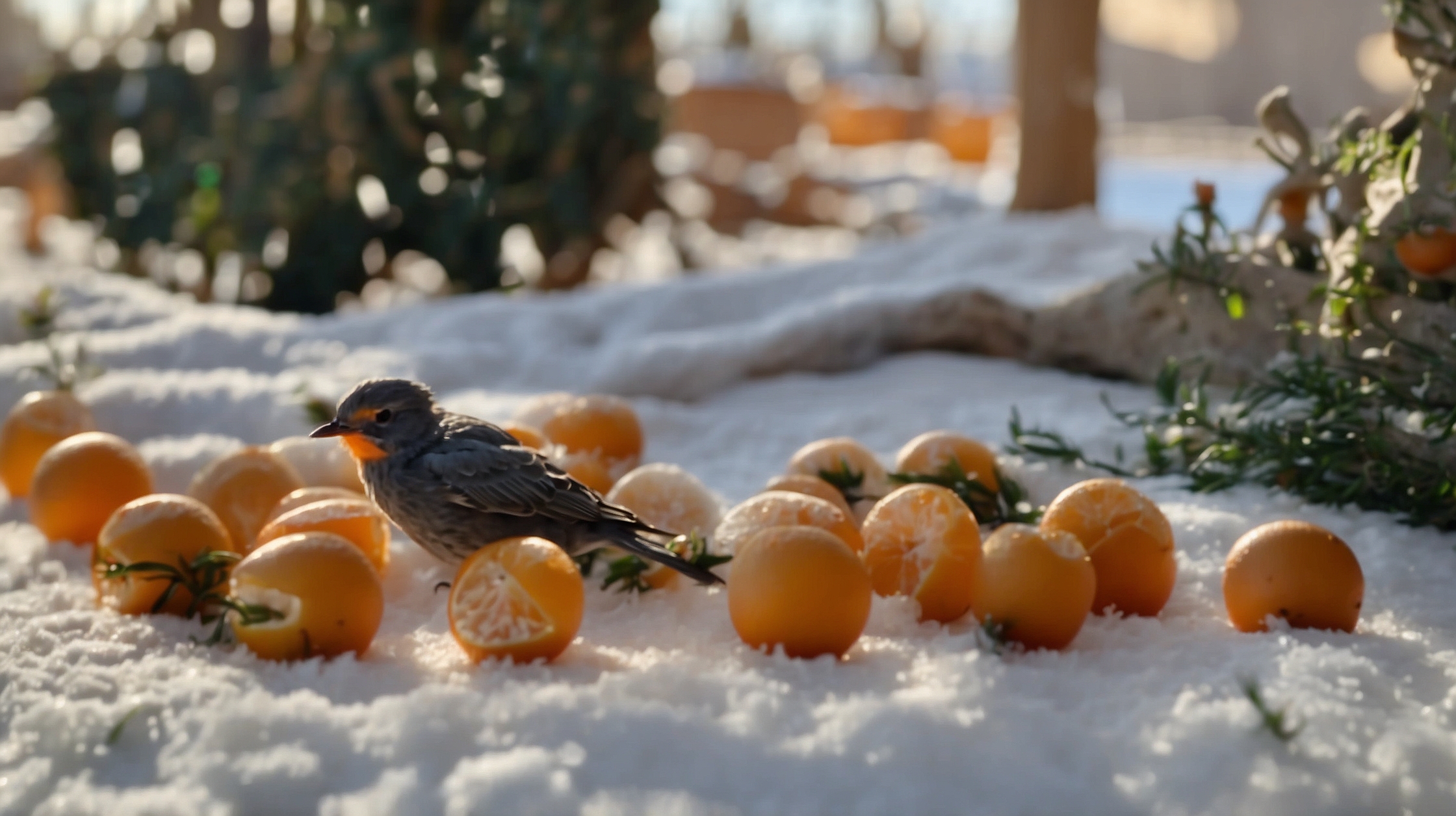
As winter settles in and natural resources become scarce, many bird species begin their seasonal struggle to find food, water, and safe shelter. Gardeners and nature lovers often look for ways to support their local wildlife—but they may not realize that even the smallest change can make a big difference. One simple, low-effort trick could turn your yard into a welcoming haven for birds during the harshest months of the year, and the results are more impactful than you might imagine.
Birds such as robins, chickadees, and nuthatches rely heavily on natural food sources that are less abundant in winter. Insects have vanished, fruits are scarce, and water can be frozen solid. But by making a minor adjustment in your gardening routine—delaying your garden cleanup—you can provide exactly what many birds need to survive and even thrive.
At a glance: What makes a garden bird-friendly in winter
| Key Feature | Why It Matters |
|---|---|
| Leave dead seed heads and dried flower stalks | Provides birds with natural food sources |
| Keep leaf litter in garden beds | Harbors insects and larvae birds feed on |
| Add bird feeders thoughtfully | Supplemental feeding supports species in scarcity |
| Provide fresh, unfrozen water | Crucial for hydration and bathing in winter |
| Maintain dense shrubs or evergreens | Offers shelter and nesting protection |
Why timing your garden cleanup makes all the difference
Gardeners are often taught to tidy up outdoor spaces in the fall by cutting down perennials, removing dead plants, and raking away leaves. While it might look clean and organized, this practice eliminates critical food and habitat sources for overwintering birds. By simply postponing cleanup until spring, you’re keeping valuable resources intact.
The dried seed heads of coneflowers, black-eyed Susans, and grasses are loved by finches and sparrows. Likewise, standing stalks of flowers and stems can be used as perches and hiding places. Leaf litter doesn’t just provide camouflage—it also insulates insect pupae that become a mid-winter treat for species like robins and wrens.
Bird species that benefit the most
While many birds migrate to warmer climates, a surprising number stay year-round—or arrive from colder areas seeking refuge. These include:
- American Robin – Often thought to migrate entirely, many stay in sheltered areas if food and water remain accessible.
- Dark-eyed Junco – A snowbird that flocks to winter gardens for foraging opportunities.
- Northern Cardinal – Seeds and berries left over from native plants keep them active throughout the season.
- Downy Woodpecker – Will forage in tree bark and leaf litter for insects.
- Black-capped Chickadee – Utilizes dried flower stalks to pick at seeds.
What to leave standing: Top plants for bird support
If you want to maximize benefits to birds in winter, prioritize keeping these plants intact through the cold months:
- Sunflowers – The dried seed heads are a feast for finches and chickadees.
- Rudbeckia (Black-Eyed Susan) – Tall stalks and seed heads attract juncos and sparrows.
- Echinacea (Coneflower) – One of the best natural feeders for goldfinches.
- Ornamental grasses – Add shelter and seed, appealing to a variety of ground-feeders.
- Native shrubs like viburnum and elderberry – Retain berries well into winter.
Even seemingly dead plant material continues to play a vital role in the ecosystem. Stems and branches become perches and cover that protect birds from predators and weather extremes.
Keeping your yard safe and accessible to feathered visitors
While food sources are vital, birds also need water and shelter to remain healthy. Heated birdbaths or regularly refreshed water in a shallow dish can prevent dehydration. Position feeders out of strong winds and near sheltering plants like evergreens or dense hedges.
Overcrowded bird feeders can spread disease, so ensure cleanliness by scrubbing feeders once a week with a diluted bleach solution. If possible, disperse feeding stations across your yard to prevent squabbling and allow more birds to access food safely.
“Providing a variety of access points and not over-clearing your garden helps birds find what they need naturally without overdependence on feeding.”
— Dr. Elaine Foster, Urban Ecologist
Simple steps for turning your winter garden into a refuge
- Postpone cutting back perennials and dried flowers until early spring.
- Rake leaves into garden beds instead of removing them entirely.
- Add multiple feeders offering black-oil sunflower seeds, suet, and millet.
- Install or refresh a shallow water source frequently.
- Reduce outdoor lighting to prevent disorienting birds.
This hands-off approach doesn’t just help wildlife—it also reduces your gardening workload in the fall and enhances soil health through natural decomposition processes. You’ll have healthier plant beds, beneficial insect activity, and a lively winter show of bird activity right outside your window.
Winners and losers of fall garden cleanup
| Winners | Losers |
|---|---|
| Overwintering birds (robins, chickadees) | Birds relying solely on clean gardens |
| Beneficial insects and pollinators | Gardeners doing unnecessary labor |
| Soil fertility through decomposition | Lawns and garden beds left barren |
FAQs to help you get started
What is the easiest way to support birds in winter?
The easiest step is to delay garden cleanup and leave seed heads, dried plants, and leaf litter intact. This provides vital food and shelter with minimal effort.
Why are robins staying around in winter instead of migrating?
Not all robins migrate. Some stay in regions with sufficient food and protected habitats, especially if berries and insects are still available.
Should I still use bird feeders if I leave my plants standing?
Yes, feeders provide valuable supplements, especially during snow cover or cold snaps. Just keep them clean and place them near protective cover.
What seeds attract the most birds?
Black-oil sunflower seeds are a universal favorite. Suet cakes and millet also attract different varieties including woodpeckers, finches, and juncos.
How do I keep bird water from freezing?
Use a heated birdbath or pour warm water into shallow dishes throughout the day. Avoid chemicals or glycerin as they can harm birds.
Is leaf litter really that important?
Absolutely. It shelters insects and ground-feeding birds often sift through it for food. It also benefits soil health and overwintering pollinators.
Should I prune all dead plants in fall?
No. Avoid pruning seed-bearing perennials and grasses. Wait until spring for a healthier ecosystem and better bird support in winter.
Can I continue these practices year-round?
Yes. Wildlife-friendly gardening works in all seasons. Native plants, insect habitats, and water sources benefit birds and pollinators year round.


