
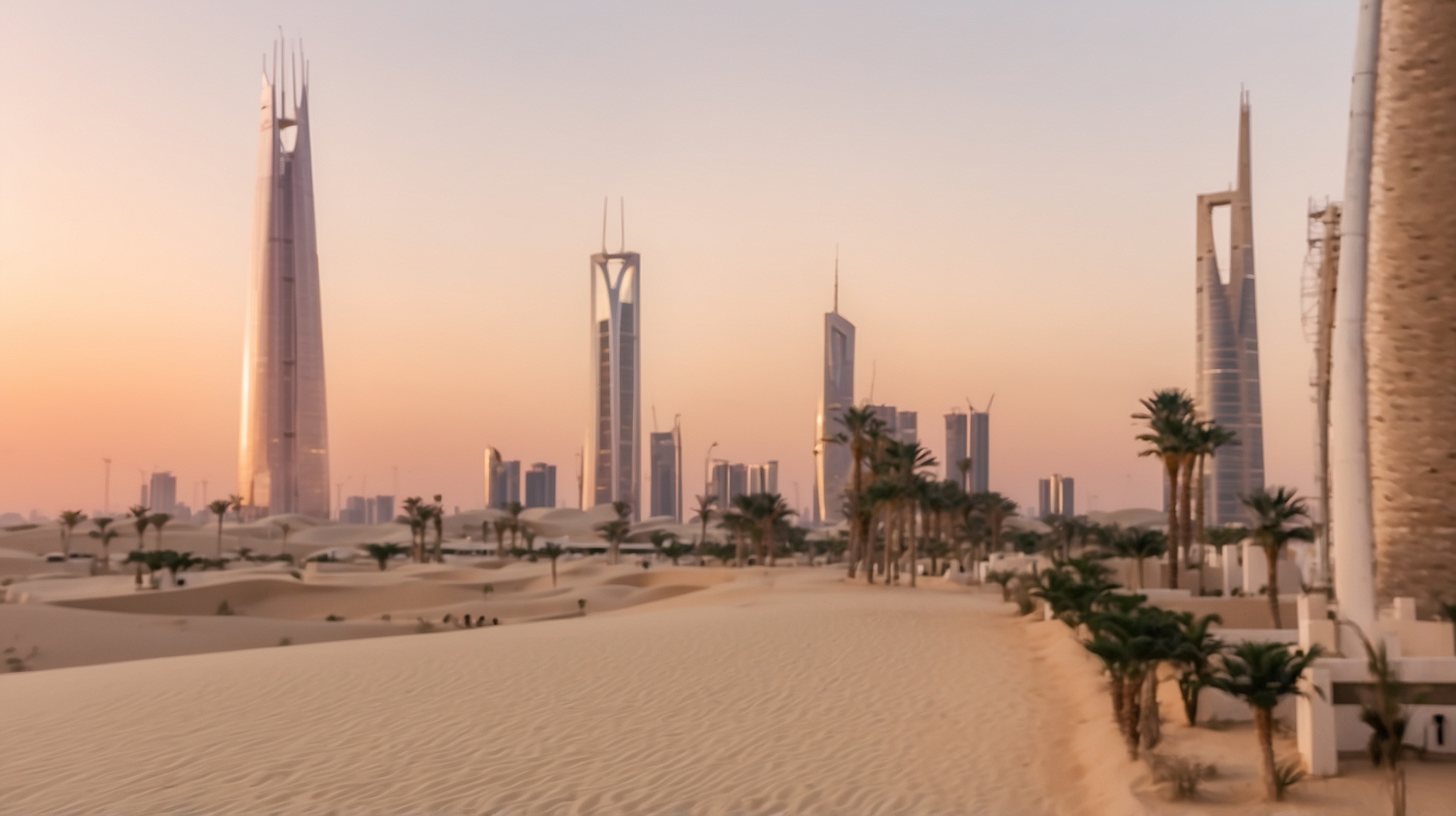
Saudi Arabia is once again making headlines with its ambitious plans to reshape skylines and redefine architectural boundaries. In a bold move that pushes the limits of modern engineering, the Kingdom has revealed plans to build a **record-breaking skyscraper reaching 1,000 meters** (approximately 3,280 feet) in height. This proposed tower would become the tallest structure on Earth, surpassing Dubai’s Burj Khalifa by over 170 meters. As the world watches, this project symbolizes not just a construction feat, but a signature declaration of Saudi Arabia’s vision for its future.
Part of the country’s broader Vision 2030 strategy, this new skyscraper is being planned in the booming city of Riyadh, the Kingdom’s capital and key economic hub. With a budget reportedly exceeding $5 billion, the skyscraper is set to anchor an urban development known as the New Murabba, projected to transform downtown Riyadh into a living, breathing example of sustainable and tech-integrated urban living. Experts and analysts from the fields of architecture, economic development, and sustainability are calling it a “game changer” with profound global and local implications.
Project overview: A glimpse into the future of vertical living
| Project Name | Unnamed 1-kilometer-high skyscraper |
| Location | Riyadh, Saudi Arabia |
| Height | 1,000 meters (3,280 feet) |
| Budget | Over $5 billion (estimated) |
| Completion Date | Expected before 2030 |
| Purpose | Mixed-use – residential, commercial, entertainment, and cultural |
| Developer | Saudi Arabia’s Public Investment Fund (PIF) |
| Part of Larger Development | New Murabba downtown project |
Why this changes everything for Saudi Arabia
The proposed skyscraper is not just another architectural marvel. It is a cornerstone in Saudi Arabia’s sweeping efforts to diversify its economy away from petroleum. The Public Investment Fund (PIF), the national sovereign wealth fund, is backing this futuristic vision with billions in capital. For the Kingdom, such landmark structures serve to attract **foreign direct investment**, draw global tourism, and ignite innovation through mega-projects in smart infrastructure, transport, and green energy solutions.
“This isn’t just about breaking records. It’s about creating a sustainable, integrated, human-centered city of the future.”
— Dr. Layla Saeed, Urban Planning Specialist
In addition to the global record it aims to set, the skyscraper forms the centerpiece of the larger New Murabba Development Company project — a 19-square-kilometer mixed-use development hosting retail centers, cultural venues, tech hubs, and over 100,000 residential units. The skyscraper, at its core, becomes more than a symbol; it becomes the anchor around which life, commerce, and innovation orbit.
What makes this skyscraper unique
While the world has seen sky-high ambitions before, what makes this Saudi endeavor stand out is its **integration with next-generation technology and sustainable design**. The yet-to-be-named structure will reportedly harness AI-driven systems for smart utility management, incorporate vertical gardens, and use passive cooling methods adapted to the local climate — all while targeting zero carbon emissions.
The building is also rumored to include a wide variety of uses — combining luxury residences, high-end offices, observatories, sky parks, and even entertainment zones within its towering structure. It’s not a skyscraper you visit — it’s one you live inside, work in, and explore. This approach turns the traditional concept of “urban sprawl” into vertical urbanism, something city planners are increasingly considering as land becomes scarce and populations grow.
“The concept of vertical cities is no longer theoretical. Saudi Arabia is putting it into practice at a scale never before seen.”
— Martin Kohl, Architect & Design Writer
Global race to the sky: Winners and losers
| Winners | Losers |
|---|---|
| Saudi Arabia’s Vision 2030 agenda | Burj Khalifa’s world record |
| Global architecture and engineering firms | Small-scale developers in Riyadh |
| High-tech materials and smart-building sectors | Traditional low-rise real estate |
| Job seekers and Saudi employment initiatives | Conservative urban planning models |
Economic and employment implications
The scale of this project ensures that its **impact goes far beyond aesthetics**. Thousands of direct and indirect jobs are expected to be created during its multi-year construction cycle. From material suppliers to AI developers managing building systems, this mega-project will touch nearly every layer of Saudi Arabia’s rapidly evolving economy. Job creation isn’t just limited to the construction phase either — once built, the tower will house entire ecosystems of offices, institutions, and retail centers requiring ongoing management and staffing.
Furthermore, analysts suggest this project will attract fresh **foreign capital and talent** into the region, especially as Saudi Arabia relaxes some of its previous social and regulatory barriers to encourage global business flows.
Technological marvel or environmental risk?
With height records come concerns about **energy consumption, long-term sustainability**, and environmental impact. The Kingdom, however, claims the tower will adhere to “strict green building codes” and incorporate renewable energy wherever possible. Structural engineers are reportedly exploring ways to minimize carbon footprints during both construction and operation.
One focus is photovoltaic cladding — integrating solar cells into external materials, allowing the building to collect solar energy passively. Another innovation may include climate-responsive skin that adjusts shading and airflow based on outdoor conditions, reducing the need for energy-intensive cooling systems in the region’s notoriously hot climate.
“With great height comes great responsibility — for emissions, for airflow, for social impact. Saudi Arabia is under a global microscope here.”
— Elena Mbaraga, Green Infrastructure Researcher
How it compares to other mega-projects
Dubai’s Burj Khalifa, still the reigning tallest building until this Saudi tower is completed, stands at 828 meters. While it firmly redefined the 21st-century skyline, architects and city planners criticize it for catering too narrowly to ultra-luxury elites. In contrast, the New Murabba project promises a layered dense urban environment with more **accessible social services, green space, and digital integration**.
Then there’s The Line — another outrageous Saudi endeavor — a 170km-long linear city in NEOM. While both projects are part of Vision 2030, the proposed skyscraper in Riyadh has greater immediacy, centered within an existing capital, and thus carries broader national implications.
“The Riyadh tower will prove whether ultra-tall buildings can evolve from status symbols to integrated, functioning urban ecosystems.”
— Carla Beals, Urban Systems Analyst
Expected timeline and public anticipation
Construction is expected to begin within the next two years, with significant milestones anticipated by 2028 and an official opening possibly ahead of 2030. The revelation has stirred excitement and some skepticism in equal measure. Locally, interest in real estate and commercial opportunities around the proposed site has surged. Internationally, critics remain cautiously optimistic while waiting for more concrete plans, including the structural blueprint, architects, and full environmental assessments.
Nonetheless, the narrative is clear — Saudi Arabia wants to build cities that are not just bigger, but better, smarter, and more human-focused than ever before.
Frequently asked questions
How tall will the proposed Saudi skyscraper be?
The building is planned to soar to 1,000 meters (3,280 feet), making it the tallest structure in the world once completed.
Where exactly will the tower be located?
The skyscraper will be built in Riyadh as part of the New Murabba development in the city center.
When will construction begin and end?
Preliminary timelines suggest work will begin within the next two years, with completion targeted before 2030.
What will be inside the skyscraper?
The structure will host residential units, office spaces, cultural venues, green areas, and entertainment zones.
Is this part of Saudi Arabia’s Vision 2030?
Yes. This skyscraper is a central symbol of the nation’s strategy to diversify its economy and modernize its urban landscape.
Who is funding this monumental project?
The primary funding is coming from the Public Investment Fund (PIF) of Saudi Arabia.
Will it be environmentally friendly?
Yes, the project is committed to incorporating smart and sustainable technologies throughout its design and construction.
How does this compare with the Burj Khalifa?
The Saudi tower will be over 170 meters taller than the Burj Khalifa and aims to be more sustainable and multifunctional.


