
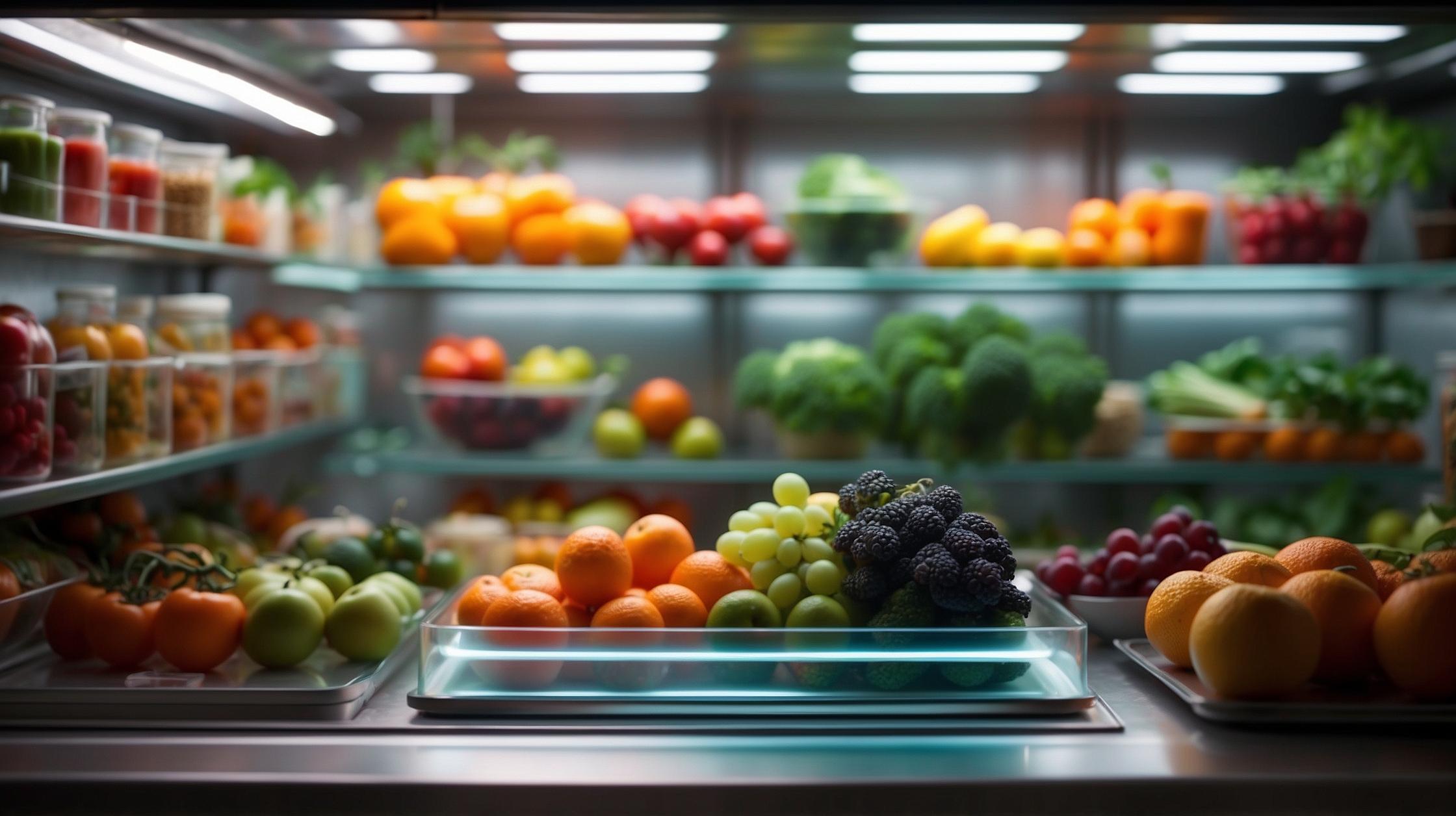
Leftovers are a lifesaver on busy weeknights, offering a quick and easy meal solution. But nothing sours the experience faster than opening the fridge and being hit with a funky odor—one that seems to engulf even your perfectly good lasagna or that just-cooked stir-fry. It’s a common household frustration: storing food in the fridge only to find it’s absorbed some strange smell or lost its just-made freshness. Fortunately, an incredibly simple trick might be the key to keeping your refrigerator odor-free and your food tasting just like it did when you first made it.
This smart food storage hack doesn’t involve fancy gadgets or expensive airtight containers. It’s about basic planning, smarter storage, and a little know-how. With this trick, you’ll leverage simple kitchen tools you already have on hand to make your fridge a freshness sanctuary. Not only will it improve taste, but the method also supports better food hygiene and reduces waste—saving both your budget and the environment. Let’s dive into this easy practice that could revolutionize the way leftovers live in your fridge.
Overview of the simple fridge storage trick
| Topic | Details |
|---|---|
| Problem | Leftovers absorb fridge odors, losing taste and freshness |
| Solution | Use double-layer storage with airtight sealing and odor control materials |
| Tools needed | Airtight containers, beeswax wraps or plastic wraps, baking soda or charcoal |
| Primary benefit | Better-tasting leftovers, extended fridge life, improved hygiene |
Why bad fridge smells affect your food
Refrigerators are designed to keep your food cold and safe—not necessarily to prevent flavors and odors from mingling. When uncovered or poorly stored leftovers get placed in the fridge alongside aromatic foods like onions, garlic, or certain cheeses, the smelly molecules can travel. These odor compounds penetrate loosely stored food, changing its flavor, aroma, and even texture over time.
In many cases, the issue stems from improper sealing. Plastic wraps or containers that aren’t completely airtight allow microscopic odor particles to enter, impacting the overall freshness of anything stored inside. Couple that with infrequent cleaning routines or crowded shelves, and the fridge becomes a breeding ground for cross-contaminated odors.
The frustration of wasted leftovers
It’s not just about a little funk in your fridge—it’s about waste. Americans toss nearly 30–40% of their total food supply every year. A significant portion of that waste comes from leftovers that were perfectly fine when stored but became unappetizing after being affected by surrounding odors. Long-forgotten containers in the back of your fridge aren’t just smelly; they’re a reminder of money and meals going to waste.
“The real issue isn’t just spoiled food—it’s good food made undesirable. If people find their leftovers unpleasant, they won’t eat them.”
— Rachel Kim, Food Safety Researcher
The storage trick that changes everything
The best way to stop fridge odors from ruining your leftovers is a simple two-part strategy involving **airtight storage** and **odor absorption**. Think of it as giving your leftovers a fresh-smelling shield and a personal odor filter.
First, store your food in truly airtight containers. Glass containers with silicone seals or heavy-duty plastic containers with tight lids work best. Avoid using mismatched lids or loosely covered bowls.
Next, layer your food with an inner wrap—either beeswax wraps, natural parchment paper, or cling film—before sealing it in the container. This double-wrapping not only guards against leaks but also creates an additional barrier against surrounding odors. It’s especially helpful for moist food like pasta or meats, which are more prone to absorbing funky smells.
Now, for the fridge itself: place an open jar of baking soda or a small dish of odor-absorbing charcoal on a shelf. These natural materials work silently to neutralize smells floating around, keeping the general atmosphere in your fridge fresher and your food unaffected.
“Odor molecules are small, but they’re persistent. Neutralizing them before they find your food is crucial.”
— Dr. Emily Franco, Kitchen Odor Specialist
Bonus tip: Smart fridge zoning
Organizing your refrigerator by zones is a helpful tactic that complements the above trick. Keep **fragrant foods** like onions, fish, and cheeses in a dedicated drawer or bin, preferably in sealed containers. Position your leftovers away from these odor sources, ideally near the top and in cooler zones where temperature is more stable.
Furthermore, labeling containers with the date and dish content not only organizes the fridge but also lets you prioritize what gets eaten first—preventing forgotten portions from turning into science experiments in the back of the shelf.
When to throw it out instead of saving it
As effective as this method is, it can’t rescue food that’s already compromised. If your leftovers emit a strong odor when you open the container, or if there’s a color change or mold visible, it’s best to toss it. The general rule: if in doubt, throw it out. No food trick is worth risking your health over.
However, when stored properly using this method, many leftovers can last 3–5 days or even longer for items like casseroles or cooked grains. Be cautious with dairy- or seafood-based dishes, which tend to spoil faster regardless of storage quality.
Materials that make the trick work best
| Item | Why It Helps |
|---|---|
| Airtight glass containers | Creates a tight seal for freshness and reduces odor absorption |
| Beeswax or plastic wrap | Acts as a second barrier to prevent smell transfer |
| Baking soda or activated charcoal | Absorbs ambient smells from circulating in the fridge |
| Fridge bins/zones | Keeps fragrant and delicate foods separate |
How long properly stored leftovers last
Even with excellent storage technique, leftovers don’t last forever, but their shelf life improves dramatically when using airtight techniques. Here’s an average lifespan of common leftovers when stored with this trick:
- Pasta dishes (without cream): 4–5 days
- Rice or grains: up to 5 days
- Roasted vegetables: 3–4 days
- Cooked chicken or meat: 3–4 days
- Saucy dishes (like curries): up to 5 days
Remember that using clean utensils when serving and not letting food sit out too long before being refrigerated are key factors in extending freshness as well.
Use cases beyond leftovers
While this trick is perfect for leftovers, the advantages extend to fresh produce, meal prep boxes, or baked goods, which are equally vulnerable to odor pollution. Wrapping muffins before placing them in a container can keep them tasting bakery-fresh. Even cut fruits like apples and melons benefit from an extra barrier in the fridge.
Short FAQs
How often should I replace the baking soda in my fridge?
Replace it every 30 days for optimal odor control. If odors persist sooner, it may need to be changed more frequently.
What’s better: plastic or glass containers?
Glass containers typically seal better and are less likely to retain smells themselves, making them ideal for fridge storage.
Can I use beeswax wraps with meat dishes?
Yes, but make sure the meat is completely cooled before wrapping to maintain hygiene and prevent bacterial growth.
Is double-wrapping always necessary?
It’s especially important when storing aromatic or moisture-rich dishes. For short-term storage, one airtight container may be sufficient.
Where should I place odor absorbers in the fridge?
Keep them in the back of a middle shelf or door area. Avoid placing directly next to uncovered foods.
Can all leftovers be stored this way?
Yes, although highly pungent dishes like fish should be sealed extra tightly or stored in separate fridge areas.
What if my fridge still smells, even with good storage?
It may be due to spills or residue inside the fridge. Clean it thoroughly with vinegar and water to reset the environment.
Does frozen storage prevent odors too?
Yes, freezing food locks in flavor and prevents smell absorption—but make sure it’s tightly sealed before freezing.


