
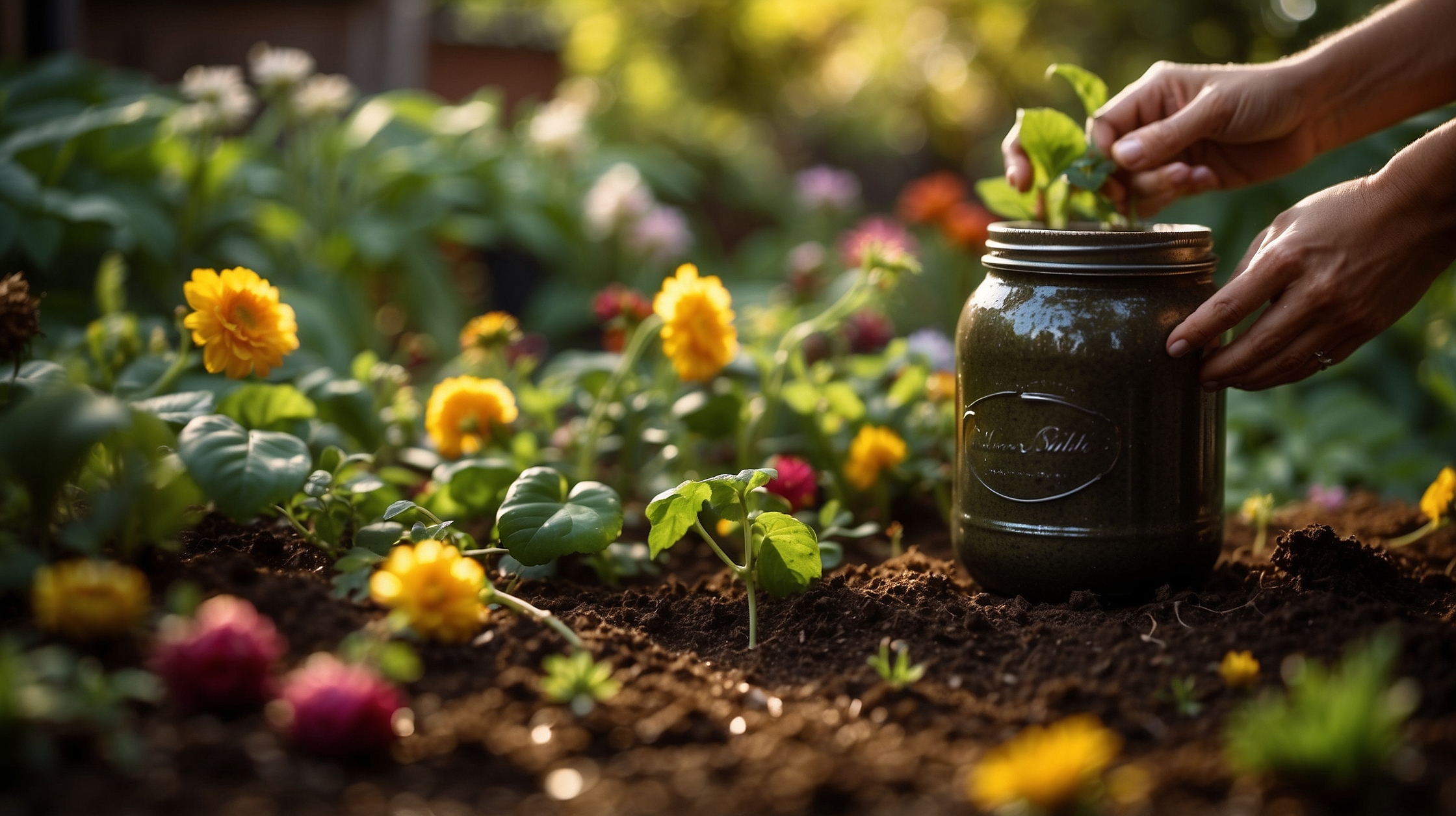
In an age where social media gardening accounts and picture-perfect plant arrangements rule our imagination, it’s easy to fall into the trap of aspiring to grow the “ideal” garden. But trying to orchestrate a flawless green space may actually backfire on your plants and your peace of mind. Many gardeners, from beginners to seasoned green thumbs, often overlook a simple principle: letting go of perfection can lead to a healthier, more resilient garden.
Gardening, at its core, is a relationship with nature. And like any relationship, it thrives when flexibility and observation replace rigidity and control. Instead of chasing perfection through calibrated watering schedules and micromanaged planting layouts, many experts now emphasize one habit that transforms plant health repeatedly: **consistent observation**. When gardeners take time daily or even a few times a week to visually and physically check on their plants without obsessing over outcomes, they become more attuned to the natural rhythms and real needs of their garden space.
This slight but powerful shift produces noticeable benefits. Bugs are caught before infestations begin. Overwatering is avoided by seeing signs of damp soil. Growth spurts and setbacks are noted in real time—not retrospectively. It’s in this regular, non-demanding presence that the healthiest and happiest gardens take shape. Let’s dig deeper into why this simple habit works so well and how it challenges the damaging myth of gardening perfection.
Why consistent observation beats gardening perfection
The goal of gardening, fundamentally, is not to impress—it’s to nurture. When you give up the illusion of a pristine, landscaped paradise, you tap into the systems that sustain plant life naturally. One of the most transformative changes a gardener can make is developing the habit of walking through the garden regularly with a curious eye. This habit grounds your perspective and empowers action based on what’s *actually* happening, not what *should* be happening.
Instead of fixating on ornamental symmetry or eliminating every leaf blemish with chemicals, observation-led gardening encourages you to work with nature. It reduces stress for the gardener and gives plants the kind of responsive care that fosters resilience and biodiversity.
Overview of real-world gardening benefits
| Benefit | Impact on Plants | Impact on Gardener |
|---|---|---|
| Early Detection of Issues | Disease and pests are spotted before they spread | Reduces need for chemical interventions |
| Natural Adaptation | Plants grow more resilient in different conditions | Less obsessing over plant perfection |
| Mindful Practice | No over-pruning or over-fertilizing | Promotes mental well-being |
| Stronger Ecosystem Awareness | Pollinators and microfauna thrive | Builds deeper connection with nature |
What changed this year
This year, there’s been an increasing shift in gardening culture from chasing aesthetic perfection to cultivating “real gardens”—spaces that may appear a bit wild or untamed but are rich in vitality. Influencers, climate scientists, and horticulturists continue to caution against the overuse of fertilizers, pesticides, and constant restructuring in gardens. There’s a growing appreciation for letting gardens evolve and show their natural character through seasons.
The change is grounded in growing awareness of ecological health and mental health. A garden brimming with native plants, fallen leaves composting into soil, and bees buzzing around imperfect flowerbeds often does more for the environment—and for the human spirit—than one flawlessly trimmed with straight edges and chemical green grass.
How hands-off practices help health and longevity
The irony of hands-off gardening is that it’s often more **hands-on** in subtle ways. When you’re not overly busy reshaping the landscape or spraying leaf polish, you’re observing real changes—like a sudden aphid appearace or stunted leaf growth. This reveals issues early and provides opportunities to respond with natural, targeted solutions instead of reacting with broad-spectrum chemicals too late.
“Instead of treating your garden like a project to complete, treat it like a language to learn. Check in daily. Plants will speak to you in their way.”
— Laurel Finch, Ecological Garden Consultant
Less complexity often brings more results. The habit of quiet, informal monitoring offers more accurate insights than any gardening calendar or journal. You’ll notice trends, troubleshoot effectively, and watch your plants gain strength organically.
Relief from perfection burnout
Many beginner gardeners quit by their second season not because they dislike gardening—but because they feel like failures. The pursuit of the “perfect garden” leads to disappointment when nature doesn’t cooperate with a Pinterest vision. Letting go of this expectation allows joy and surprise back into gardening, replacing stress with satisfaction every time a new bloom appears or a seed sprouts unexpectedly.
“Plants aren’t machines. Perfection in nature is a myth. The real beauty is in watching things grow, shift, and sometimes struggle. That’s where the learning happens.”
— Marcus Del Rio, Urban Permaculture Educator
This mindset shift is especially powerful in urban or small-space gardening. You don’t have to produce magazine-ready garden beds to create meaningful green experiences. A thriving tomato plant in a mismatched container is every bit as valid as a landscape architect’s show garden—arguably more so.
Winners and losers in the gardening shift
| Winners | Losers |
|---|---|
| Native plant species | Artificially engineered ornamentals |
| Pollinators and beneficial insects | Pesticide-heavy gardens |
| Low-maintenance gardeners | Perfectionist-driven garden planners |
| Community gardens and shared green spaces | Privatized, isolated manicured lawns |
How to develop your observation habit step-by-step
If you’re not sure how to begin transitioning into an observation-based approach, it helps to build a simple rhythm into your routine. Here’s how you can do it even if you’re low on time:
- Step 1: Set a timer. Just 5–10 minutes each day is enough to scan your garden.
- Step 2: Walk slowly and look at plant tips, undersides of leaves, and soil color.
- Step 3: Take short notes or photos if something grabs your attention.
- Step 4: Resist the urge to immediately fix things. Just observe.
- Step 5: Once a week, review changes and adjust accordingly—whether it’s watering less or staking a leaning stem.
“You don’t need horticulture degrees or fancy gadgets. Just two working eyes, a willingness to learn, and consistency.”
— Natalie Chow, Master Gardener and Coach
Short FAQs about mindful gardening
What is the one habit that benefits plant health the most?
The single most effective habit is **daily or regular observation** of your garden. This practice allows quicker response to changes, pests, or plant needs.
Why is chasing a perfect garden harmful?
Pursuing perfection leads to over-management and unnecessary use of chemicals and tools, often stressing plants and reducing biodiversity in your garden.
How does consistent observation reduce pests?
You’ll spot issues like insect eggs or sap-sucking bugs early, allowing for natural remedies rather than chemical interventions after infestations spread.
Do wild gardens attract more wildlife and pollinators?
Yes. Gardens that are less chemically managed and use native plants provide better habitats for bees, butterflies, and other beneficial creatures.
Can I still have flowers and beauty without perfection?
Absolutely. Many flowering plants thrive in more natural, less manipulated environments, producing blooms driven by organic growth rather than heavy pruning or fertilizers.
Does this approach work in container gardens?
Yes. Even potted plants benefit from casual daily checks. You’ll notice root-bound pots, dryness, or nutrient imbalance sooner.
How soon will I see benefits from daily observation?
Within a few weeks, most gardeners notice healthier leaves, fewer pest issues, and better soil moisture simply due to better, timely responses.
Is it okay if my garden looks messy?
Yes. Messy doesn’t mean neglected. A naturally evolving garden with leaf litter, varied heights, and mixed species is often more ecologically sound and beautiful in its own way.


