
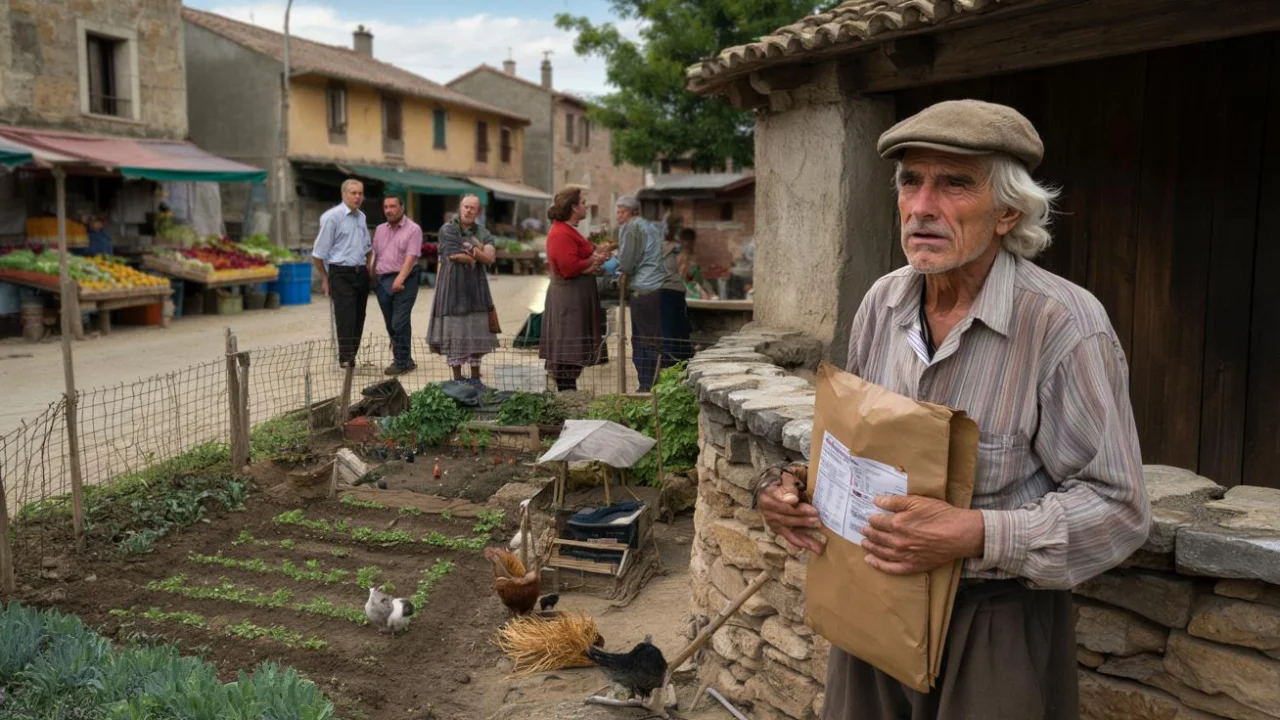
Marie clutches her coffee cup a little tighter as she watches her 74-year-old neighbor trudge past her kitchen window. His shoulders seem to carry more weight than usual this morning. Just six months ago, Henri was the village’s go-to guy for fixing fence posts and sharing garden vegetables. Now he barely makes eye contact with anyone.
The reason? A tax nightmare that started with the simplest act of kindness you can imagine. Henri let his struggling friend Pierre use a corner of his unused land to grow tomatoes and lettuce. No money changed hands. No contracts were signed. Just two old friends helping each other out, the way people have done for centuries.
But in today’s world, even kindness comes with a price tag—and Henri just received a bill that could wipe out his retirement savings.
When Helping a Friend Becomes a Crime
Henri Dubois spent 45 years working construction, saving every penny for a quiet retirement in the French countryside. His modest stone cottage sits on three acres that his grandfather once farmed. When his childhood friend Pierre lost his job at 58 and couldn’t find work, Henri made what seemed like the most natural offer in the world.
“Use the back field,” he told Pierre over a glass of wine. “Grow whatever you need. Maybe sell some at the market if there’s extra.”
For eighteen months, Pierre tended a small vegetable garden and kept a few chickens. He sold surplus produce at the Saturday market, earning just enough to cover basic groceries. Henri never asked for a cent.
Then came the letter that changed everything.
The tax office claimed Henri had engaged in “undeclared rental activity.” They calculated the market value of renting his land, added penalties for late filing, and presented him with a bill for €8,400—nearly seven months of his pension.
“I was so shocked I had to sit down,” Henri recalls. “In my mind, I was just helping a friend. Suddenly I’m a tax criminal.”
The Real Cost of Government Overreach
Henri’s tax nightmare retiree story isn’t isolated. Across France, similar cases are emerging as authorities crack down on what they call “informal economic activity.” The impact goes far beyond individual tax bills:
| Consequence | Impact on Communities |
|---|---|
| Reduced neighborly help | People afraid to lend tools, land, or assistance |
| Increased bureaucracy | Simple favors now require legal documentation |
| Trust erosion | Neighbors reporting each other to authorities |
| Financial stress | Retirees facing unexpected tax bills on fixed incomes |
Local tax advisor Catherine Moreau sees the bigger picture: “We’re creating a society where people are afraid to be generous. Every favor becomes a potential audit risk.”
The ripple effects are already visible in Henri’s village. Mrs. Laurent stopped letting her neighbor park in her driveway during market days. The Bernards now charge their grandson rent for staying in their guest room during university breaks.
- Informal carpooling arrangements are being formalized with written agreements
- Shared garden tools now come with “loan contracts”
- Village festivals struggle to find volunteers willing to organize without official documentation
- Elderly residents increasingly isolated as neighbors fear legal complications
A Village Divided: When Rules Trump Relationships
The fallout from Henri’s case has split his village of 890 residents down the middle. Coffee shop conversations now sound like political debates, with neighbors taking sides on whether the tax office was right to pursue the case.
Mayor Jean-Claude Petit finds himself caught in the middle: “People are asking me to intervene, but what can I do? The law is the law, even when it seems harsh.”
On one side are the “rule followers” who argue that everyone must pay their fair share, regardless of circumstances. They point out that Pierre did sell vegetables at the market, creating actual income from Henri’s land.
On the other side are the “solidarity supporters” who see this as government overreach destroying the social fabric of rural communities. They’ve started a petition calling for common-sense exceptions to tax rules for genuine acts of kindness.
Village accountant Philippe Rousseau has become an unlikely voice of reason: “The system is designed for commercial transactions, not human relationships. We need rules that recognize the difference.”
The debate has exposed deeper anxieties about how modern bureaucracy handles traditional community values. Elderly residents especially worry about accidentally breaking laws they don’t even know exist.
The Human Cost of Bureaucratic Perfectionism
Six months after receiving his tax bill, Henri has aged visibly. He’s borrowed money from his daughter to pay the penalty, depleting savings he planned to use for healthcare in his final years.
Pierre, wracked with guilt, has moved away from the village entirely. “I can’t face Henri knowing I destroyed his retirement,” he told a mutual friend.
The friendship of sixty years is over. The land sits empty now, slowly returning to weeds. Henri won’t risk helping anyone again.
Social worker Anne Durand sees this pattern repeatedly: “We’re creating a generation of elderly people afraid of their own kindness. They’d rather let their neighbors struggle than risk a tax audit.”
The psychological impact extends beyond the individuals involved. Children in the village are learning that helping others comes with dangerous legal consequences. The informal networks that once helped communities thrive are withering under bureaucratic scrutiny.
Dr. Michel Leroy, who studies rural social structures, warns: “When government rules make kindness risky, we lose something essential about what makes us human.”
FAQs
Can you really be taxed for letting someone use your land for free?
Yes, tax authorities can claim you received “benefit in kind” even without money changing hands, especially if the land use generates any income.
How can retirees protect themselves from unexpected tax bills?
Document all agreements in writing, consult a tax advisor before any land-sharing arrangements, and declare all potential benefits even if no money is involved.
Are there legal ways to help neighbors without tax consequences?
Very limited options exist, such as truly temporary use (under 30 days) or proven family emergencies, but most require legal documentation.
What should you do if you receive a similar tax bill?
Don’t panic, seek immediate professional tax advice, and consider appealing if you believe the assessment is unfair or disproportionate.
Is this issue unique to France?
No, similar cases are emerging across Europe as tax authorities become more aggressive in pursuing all forms of undeclared activity.
Could this change how rural communities operate?
Already happening—informal cooperation is declining as people fear legal consequences, potentially weakening rural social networks permanently.


