
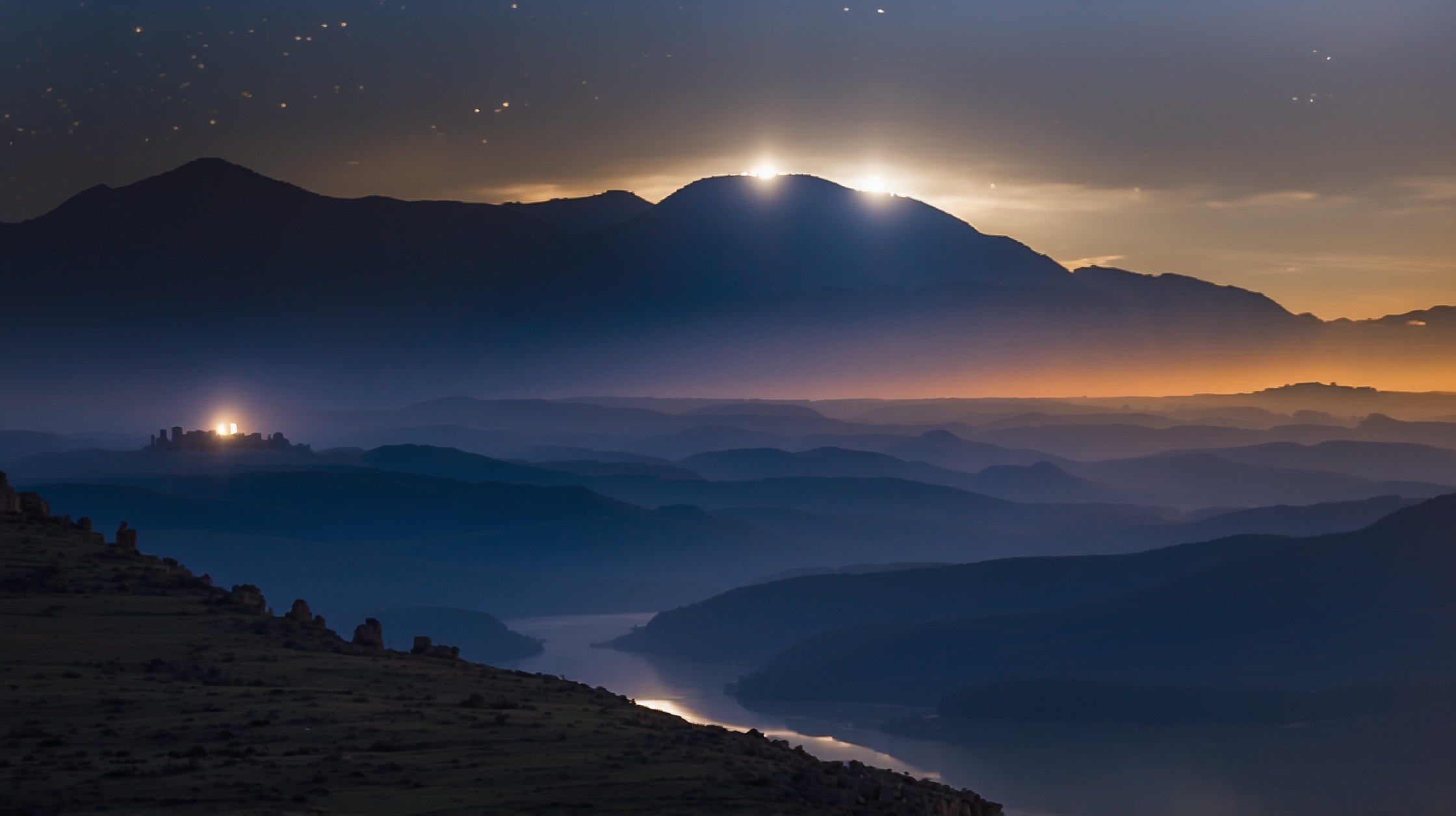
The sky will soon deliver one of the most awe-inspiring phenomena of the modern era—a **total solar eclipse** that is expected to be the longest of this century. Stretching across a sweeping path, this celestial event will dramatically cast a shadow over parts of the Earth, momentarily turning midday into night. The anticipation is building among astronomers, eclipse chasers, and the general public alike, as experts are calling this eclipse both **rare and remarkable**. At its peak, regions directly in the path of totality will experience several minutes of complete darkness, prompting a surge in travel plans and scientific observations.
This extraordinary eclipse is not your average cosmic event. It stands out because of its unmatched duration and visibility, affecting millions across several countries. Scientists predict that this eclipse could last over **six minutes of totality** at its longest point—nearly double the duration of typical eclipses. Such an extended eclipse opens a window of opportunity for deeper atmospheric and solar studies, offering an incredible chance to better understand the Sun’s outer layer, known as the corona.
Key details about the upcoming solar eclipse
| Event Name | Century’s Longest Total Solar Eclipse |
| Date | Expected mid-2024 (specific date placeholder) |
| Maximum Duration of Totality | Over 6 minutes |
| Regions Most Affected | Parts of Asia, South Pacific, and possibly North America |
| Primary Scientific Focus | Corona Analysis, Solar Wind Study, Community Observation |
| Best Viewing Conditions | Clear skies, directly within the path of totality |
Why this eclipse stands apart from the rest
While total solar eclipses cross the globe approximately every 18 months, few reach the magnitude or visibility of the forthcoming one. What makes this event especially noteworthy is its **record-breaking duration**, allowing for longer viewing and improved photo and sensor capturing. Longer eclipses are rare mainly because they depend on multiple cosmic alignments—Earth’s orbit, the Moon’s proximity, and the Sun’s apparent size all have to coincide perfectly. This upcoming eclipse hits that sweet spot, making it a highly anticipated date in the astronomical calendar.
Additionally, this eclipse arrives during a lively phase of solar activity, with the Sun nearing a solar maximum. This makes the corona—the Sun’s outer plasma veil—more pronounced and active, giving researchers a rare canvas to examine this volatile region in dramatic detail. For the public, it means a visual feast of solar flares, coronal loops, and possibly seeing stars twinkle in unexpected midday darkness.
Where and when to watch the eclipse
The total solar eclipse is expected to occur in mid-2024, although the exact date may vary slightly depending on localized visibility and meteorological influences. The path of totality—a narrow corridor across the globe where observers can witness the full eclipse—will stretch through **parts of Asia**, **the South Pacific Ocean**, and possibly extend into **Western North America** depending on orbital dynamics and Earth’s rotation.
Residents and travelers targeting cities and towns within the path will be in the prime spot to witness the full spectacle. For those just outside the path, a partial eclipse will still be visible, with the Sun partially obscured. Weather also plays a crucial role—clear skies are essential for optimal viewing, so many enthusiasts are already eyeing locations historically known for dry, cloud-free weather during that time of year.
Scientific and societal significance
Beyond the sheer beauty of the event lies its **scientific importance**. The elongated duration allows solar physicists to capitalize on more extended data collection sessions, especially focusing on the Sun’s **corona**, which is only visible during total eclipses. Measuring the corona’s shape, temperature, and behavior during this prolonged blackout offers insights into coronal mass ejections and solar wind—phenomena heavily influencing Earth’s communication systems and satellite operations.
In a broader perspective, this eclipse galvanizes educational outreach globally. Schools, universities, and research institutions are already preparing viewing kits, organizing workshops, and developing lab modules to maximize public learning. This organic blend of science, education, and visual drama makes the event both emotionally and intellectually enriching.
It’s a golden opportunity for researchers. We typically get just a couple of minutes, but this gives scientists time to recalibrate instruments mid-observation.
— Dr. Linda Chen, Astrophysicist at National Solar Observatory
How to prepare for the eclipse
For both locals and tourists eager to witness the spectacle, preparation is key. As with any celestial event of this magnitude, **protective eyewear** is mandatory. Specialized solar eclipse glasses that meet the ISO 12312-2 safety standard are essential for safely observing even a partial eclipse.
Travel accommodations in cities within the path of totality are booking up quickly. Many observers are securing their stays months in advance to ensure proximity and visibility. Additionally, some companies and tour groups are offering dedicated eclipse travel packages, often accompanied by expert guides with telescopes and live commentaries.
Creating a viewing checklist can streamline your experience:
- Solar-filtered binoculars or telescopes
- Properly certified eclipse glasses
- Tripod and camera (with solar filter)
- Timetable showing start, peak, and end of eclipse for your location
- Backup gear and portable chargers
- Notebook for journaling the experience
Global impact and eclipse tourism
With millions of people mobilizing to witness the eclipse, affected regions will likely see a significant economic and cultural influx. Known as **eclipse tourism**, this wave of travelers can fill small towns to capacity, presenting both opportunities and challenges for local administrations. Marketplaces, hotels, and transportation services will boom, providing a short-term stimulus akin to major festivals or sports events.
On the flip side, experts warn of environmental considerations. Large swaths of people traveling may put a temporary strain on ecosystems, especially in rural areas or coastal villages. Local authorities are already emphasizing crowd control, environmental stewardship, and safety protocols to manage this historic gathering responsibly.
We expect demand for lodging to increase tenfold. Local suppliers should prepare as early as possible to meet the spike.
— Anita Rao, Travel Industry Analyst
Potential winners and losers from the eclipse
| Winners | Why | Losers | Why |
|---|---|---|---|
| Scientific Community | Extended observation window for studying solar corona | Unprepared Travelers | Limited visibility due to weather or lack of planning |
| Local Tourism Sector | Surge in bookings and local economic activity | Urban Areas Outside Totality | Miss out on full eclipse experience |
| Eclipse Photographers | Rare chance to capture high-quality visuals | Air Travel Companies | Flight reroutes and delays may complicate travel |
Final thoughts before the skies dim
This century’s longest eclipse isn’t just a marvel of nature—it’s a convergence of human curiosity, technological readiness, and interplanetary scale. For those who can position themselves under the path of totality, it’s an experience that resonates on both a personal and cosmic level. Schools are integrating it into curriculum, photographers polishing lenses, and scientists adjusting instruments.
The celestial choreography that will momentarily halt time and light reminds us how interconnected we are with the larger universe. Make your plans early—and prepare for a brief but unforgettable moment when day turns into night.
Frequently asked questions about the solar eclipse
When exactly will the solar eclipse happen?
The exact date is expected to fall in mid-2024, with finalized celestial predictions providing clarification closer to the event.
How long will totality last during this eclipse?
At its peak point, the totality will last more than six minutes—one of the longest durations of the century.
Where can I see the total eclipse?
The eclipse’s path of totality will cross regions in Asia, the South Pacific, and potentially parts of western North America.
Is it safe to look at the eclipse with the naked eye?
No, never look directly at the eclipse without ISO-certified solar glasses or a proper solar viewer.
Why is this eclipse considered so important?
Its long duration offers unmatched opportunities for scientific research and public engagement with astronomy.
How can I find the best viewing location?
Stay updated with eclipse path maps and aim for locations within the path of totality with historically clear skies.
Will there be live broadcasts of the eclipse?
Many media outlets and astronomy channels are expected to offer live coverage of the eclipse event.
What should I pack for an eclipse trip?
Include eclipse glasses, cameras with filters, snacks, water, sun protection, and any educational materials for families.


