
Sarah stared at her phone, watching her college roommate post photos from another weekend getaway. Ocean-view hotel. Designer luggage. Expensive brunch. Meanwhile, Sarah was on her third straight night of instant noodles, stretching her paycheck until Friday.
She closed Instagram and opened her banking app instead.
$847 in checking.
$1,200 in savings.
Not terrible. But not Cabo money either.
The familiar knot formed in her stomach as the thought crept in again: Everyone else has it figured out. You’re falling behind.
That night, she realized something that changed everything.
She had no idea whether she was actually behind. She only knew she looked behind compared to someone else’s highlight reel.
When Your Bank Balance Becomes a Social Credit Score
Financial comparison turns money into a performance.
Your salary stops being income. It becomes a ranking.
Your savings stop being progress. They become a scoreboard.
You see a coworker’s new car and wonder what they make.
A friend mentions their mortgage payment, and you mentally calculate whether you could afford their neighborhood.
Social feeds become nonstop highlight reels of vacations, restaurants, and shopping hauls.
Financial therapist Dr. Amanda Chen explains it simply: when you constantly measure your financial worth against others, you lose sight of your own goals.
And here’s the real problem:
You’re always comparing incomplete information.
You see the handbag — not the credit card balance.
You see the vacation — not the side hustle that paid for it.
You see the dinner — not the skipped meals before payday.
The Real Cost of Financial Comparison
The comparison trap doesn’t just hurt your feelings. It quietly damages your finances.
Here’s what typically happens:
- Decision paralysis – You can’t choose between saving goals because you’re worried you’re not saving enough.
- Lifestyle inflation – Spending creeps up to match what others appear to afford.
- Debt accumulation – Credit cards become tools for appearances instead of emergencies.
- Career anxiety – Every salary feels insufficient compared to someone else’s.
- Relationship strain – Money conversations become tense and defensive.
- Mental health impact – Chronic stress, anxiety, and low self-worth.
Research shows that people who frequently compare finances to others report significantly higher levels of financial stress — even when income is the same. The issue isn’t the amount of money. It’s the measuring.
| Comparison Behavior | Financial Impact | Healthier Alternative |
|---|---|---|
| Checking others’ salaries | Increased job dissatisfaction | Focus on your growth path |
| Social media spending comparison | More impulse purchases | Track your own spending |
| Matching lifestyles | Rising debt-to-income ratio | Set personal milestones |
| Investment FOMO | Poor timing decisions | Follow your long-term plan |
Why Comparison Keeps You Stuck
Comparison creates a moving target.
There will always be someone earning more.
Traveling more.
Investing more.
Saving more.
If your standard of success depends on someone else’s life, you will never feel secure.
Personal finance coach Marcus Williams puts it this way: progress dies the moment comparison takes over.
The shift begins when you redefine success.
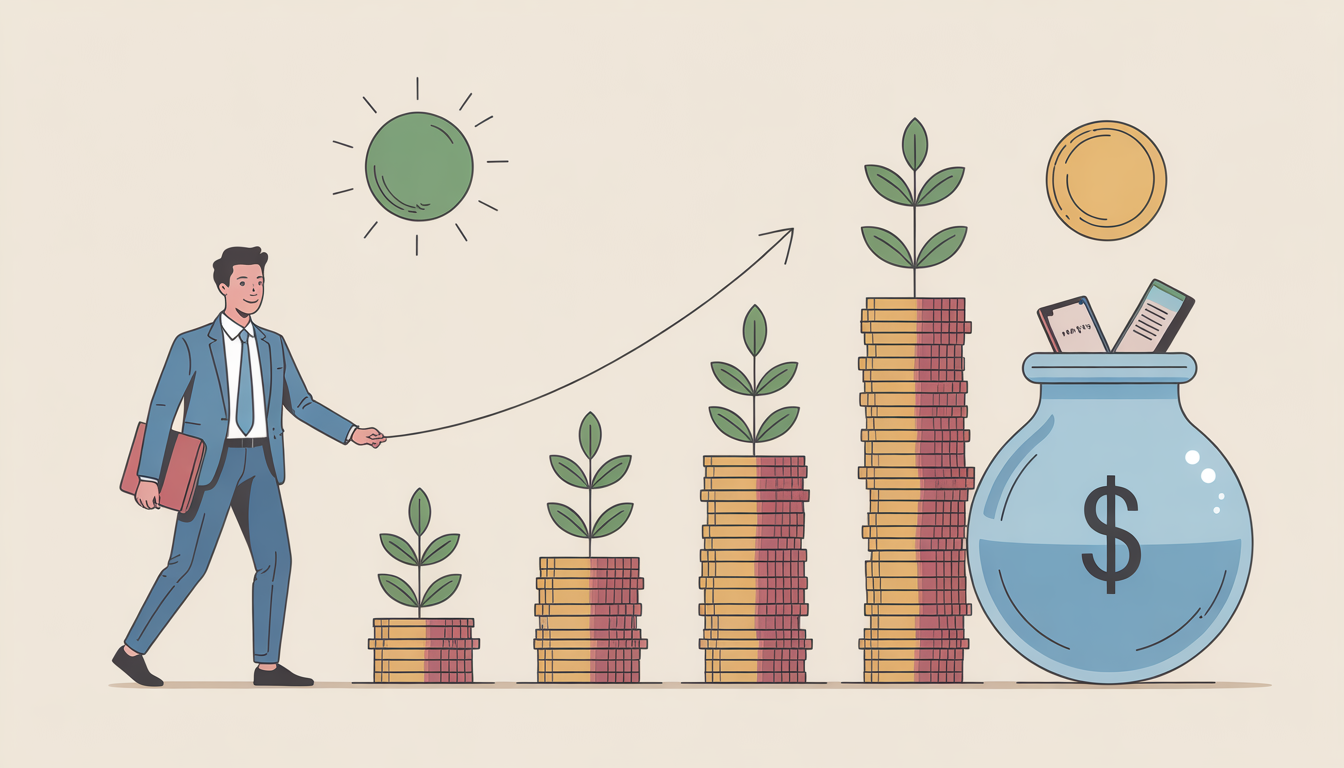
Instead of measuring sideways, measure forward.
- Are you saving more than last year?
- Is your debt lower than six months ago?
- Is your emergency fund growing?
Those are real metrics.
Build Your Own Financial Scoreboard
Financial confidence comes from clarity.
When you know your numbers, other people’s choices lose power over you.
Create a simple personal dashboard that tracks:
- Monthly savings rate
- Debt reduction progress
- Emergency fund balance
- Investment contributions
- Net worth growth
Compare yourself to yesterday’s version of you — not to someone else’s curated life.
Jennifer, a teacher who once struggled with financial comparison, says her mindset shifted when she started celebrating small wins no one else could see. Paying an extra $50 toward student loans felt massive once she stopped measuring it against her sister’s vacation budget.
That’s when money becomes empowering again.
Financial Boundaries = Financial Freedom
Breaking the comparison habit requires boundaries.
- Limit exposure to lifestyle-heavy social feeds.
- Avoid detailed money conversations that fuel insecurity.
- Choose social activities aligned with your budget.
- Say no without apology.
Most importantly, accept this truth:
Everyone prioritizes money differently.
Your coworker might drive a luxury car but rent a tiny apartment.
Your friend might travel often but have no retirement savings.
Someone else may earn less than you and still sleep better at night.
There is no universal financial timeline.
The Freedom of Opting Out
When you stop comparing, something powerful happens.
Money becomes a tool again — not a measurement of worth.
You spend based on values.
You save based on goals.
You feel proud of progress that once seemed “small.”
The stomach knots disappear.
The anxiety fades.
The pressure eases.
You may even discover you prefer living below your means rather than stretching to impress people who aren’t paying your bills.
And that’s real wealth.
Frequently Asked Questions (FAQs)
How do I stop feeling jealous about others’ financial success?
Shift focus to your own measurable progress. Track savings, debt reduction, and long-term goals. Remind yourself that you never see the full financial picture of others.
Is it ever okay to compare finances?
Occasional benchmarking with peers in similar circumstances can help with perspective, but constant comparison that causes stress or poor decisions should be avoided.
What if friends pressure me to spend more?
Be clear about your financial priorities. Suggest lower-cost alternatives. Healthy relationships respect boundaries.
How can I tell if I’m financially on track?
If you are consistently saving, reducing debt, building an emergency fund, and investing for the future, you are progressing — regardless of what others are doing.
Why does social media make comparison worse?
Social platforms highlight achievements and purchases, not struggles or debt. You’re comparing your full reality to someone else’s edited version.
How long does it take to break the comparison habit?
Most people notice improvement within a few months of tracking personal goals and reducing exposure to comparison triggers. Consistency makes it easier over time.
Final Thought
Comparison keeps people financially stuck because it shifts attention away from progress and toward perception.
The moment you stop looking sideways and start looking forward, you reclaim control.
And that’s when real financial growth begins.


