
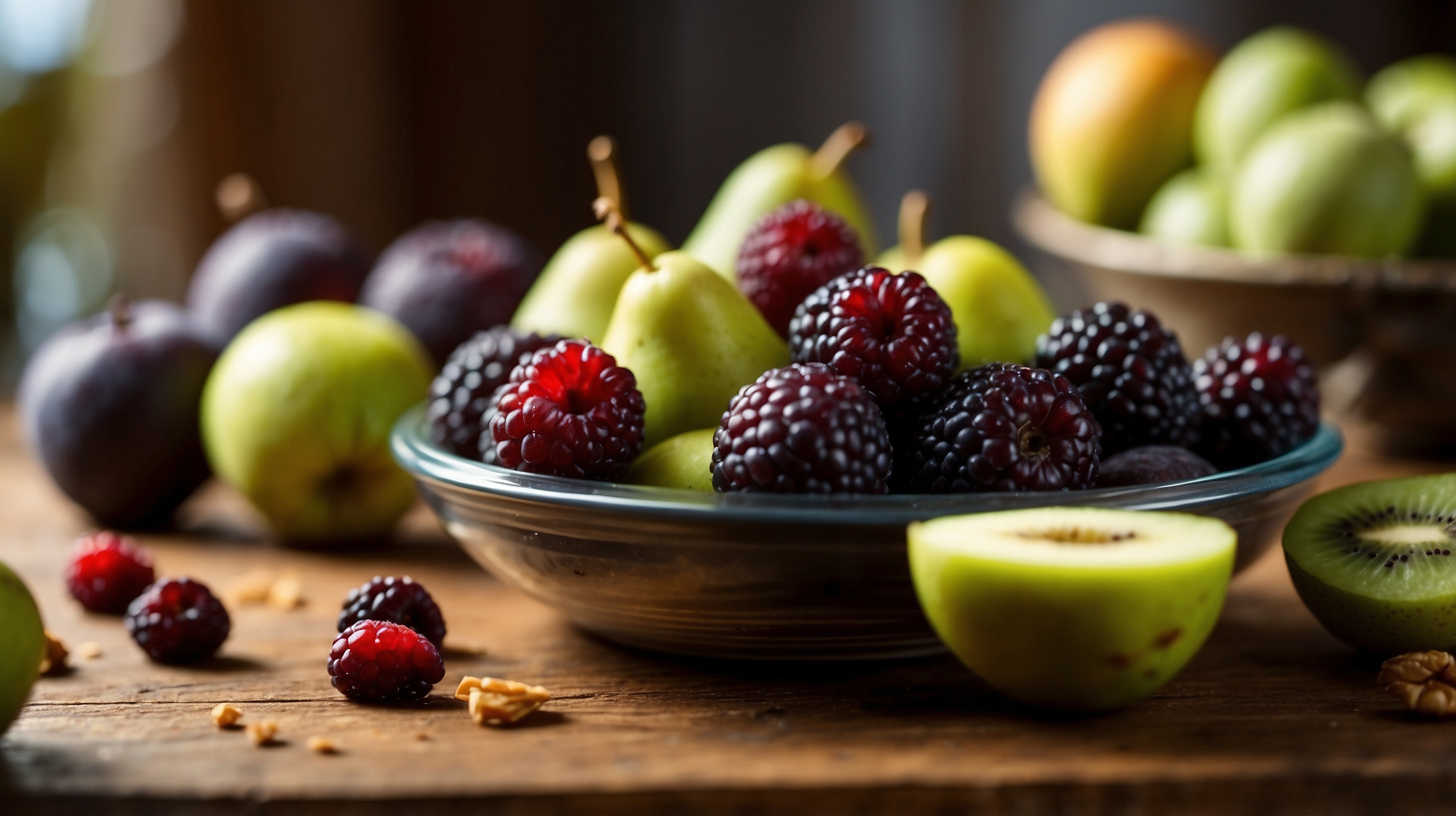
One of the most effective and natural ways to support healthy digestion comes from a familiar source: fruit. For those struggling with occasional constipation or sluggish digestion, certain fruits may provide the exact kind of relief your gut has been waiting for. The trick lies in understanding not just which fruits to eat, but how and when to eat them for maximum benefit.
Fiber plays a central role in regulating bowel movements, and fruits are some of the best natural sources you can find. But not all fruits are created equal when it comes to jumpstarting your gut. With the right picks — and a few smart habits — you can work with your body to enhance digestion, reduce bloating, and restore regularity without relying on synthetic laxatives or chemical enhancers.
Quick guide to fruit and digestive health
| Best Fruits for Digestion | Main Benefits | Ideal Timing |
|---|---|---|
| Prunes | High in sorbitol and fiber, act as natural laxative | Morning or before bedtime |
| Kiwis | Rich in actinidin enzyme that promotes gut motility | Empty stomach |
| Pears | Excellent water content and fiber balance | Mid-morning snack |
| Berries (especially raspberries) | Packed with insoluble fiber, boosts bowel movement | Breakfast or smoothie |
| Apples | Contain pectin, aids stools to become softer | Early in the day |
| Figs | Rich in fiber and help promote fullness and movement | Post-dinner or as dessert |
Why fruit can be the ultimate gut reset
Fruit contains a powerful blend of **natural sugars**, water, **insoluble and soluble fibers**, and sometimes even digestive enzymes that work synergistically to stimulate the colon and support the microbiome. For people prone to constipation or irregularity, simply adding the right kinds of fruit to the daily diet can initiate regular bowel movements within days.
This strategy isn’t based on hype—it’s backed by gut science. Soluble fiber dissolves in water to form a gel-like substance that can soften stool, while insoluble fiber passes through the digestive tract and bulks up stool, making it easier to pass. In addition, the natural sugars like **sorbitol** (found in prunes and pears) have mild laxative effects that help give extra nudges to a sluggish system.
The secret star: sorbitol-rich fruits
One often overlooked compound in fruit is **sorbitol**, a type of naturally occurring sugar alcohol that draws water into the gut. This mild osmotic effect helps soften the stool and can increase bowel movement frequency in people with constipation. Sorbitol occurs naturally in prunes, pears, nectarines, and apples—fruits that have long been associated with digestive benefits.
“Prunes are rich in both soluble and insoluble fiber, plus sorbitol — making them a multi-pronged ally in constipation relief.”
— Dr. Emily Carson, Nutritionist and Gut Health Expert
The standout performer: kiwi’s natural enzyme
While prunes might be the most famous fruit for constipation relief, **kiwis** are quickly earning their place on the gut-health podium. The star agent in this small green fruit is an enzyme called **actinidin**, which helps break down protein more efficiently and stimulates peristalsis — the gut’s natural contractions that move waste through the colon.
Several studies on kiwi consumption found that eating as little as two kiwis per day improved stool consistency and frequency in people with functional constipation. Even better, kiwis are non-bloating, lower in sugar than many other fruit alternatives, and gentle enough for regular consumption.
Fiber isn’t just fiber — here’s why that matters
When it comes to promoting a healthy gut, **fiber type matters**. Soluble fiber, found in apples, citrus fruits, and pears, forms a gel-like consistency when mixed with water. This can soften stool and make it easier to pass. Insoluble fiber, abundant in berries, grapes, and the skins of many fruits, adds bulk and promotes movement through your intestines more swiftly.
Most Americans consume only about half of the daily recommended fiber intake, which is 25 grams for women and 38 grams for men. Without adequate fiber — and enough water — the digestive system simply can’t operate at full capacity. That’s why incorporating both types through fruit is not just helpful, but essential.
Top fruit habits that make a difference
Incorporating more fruit into your diet isn’t just about quantity, but **timing and pairing**. Here are some simple fruit habits that harmonize well with your digestive system:
- Eat fruit on an empty stomach in the morning to stimulate early gut movement.
- Don’t peel apples or pears — their skins are rich in fiber.
- Pair fruit with **hydration** — always drink water to help fiber work properly.
- Use berries as a natural smoothie thickener — boosting both taste and gut activity.
- Rotate types of fruits to diversify microbiome exposure and prevent adaptation.
What to avoid if your gut is sluggish
Just as some fruits support digestion, others can stall the process. Bananas, especially unripe ones, contain resistant starch that may further slow digestive activity for those who are already constipated. Additionally, eating dried fruits in excess without adequate water intake can backfire — leading to bloating or gas.
Fruits canned in syrup, or overly processed fruit juices, can also overload your system with concentrated sugars while stripping away beneficial fibers. For digestive health, whole, raw fruits—especially those high in fiber or enzyme content—are the clear winners.
Short-term winners and losers in gut-friendly fruit choices
| Winners | Losers |
|---|---|
| Prunes, Kiwis, Pears, Apples, Figs | Unripe bananas, canned peaches, fruit snacks |
| Berries, Grapes with skin, Oranges | Juice concentrates, dried fruits without hydration |
What makes fruit more effective than supplements
While fiber supplements and over-the-counter laxatives may offer short-term relief, natural sources like fruit provide additional **phytonutrients**, hydration, and enzymes that synthetic products don’t include. The cumulative effect over time is not just regularity but improved gut flora, enhanced immunity, and lower inflammation markers.
“Whole fruits work in layers — fiber, water, enzymes, and antioxidants all contribute to a better gut environment.”
— Dr. Monica Hill, Registered Dietitian
Everyday fruit combinations that boost the gut
If you’re looking to create daily gut-friendly routines, consider these **smart combinations** to amplify benefits:
- Morning: Warm water with lemon + sliced kiwis
- Midday: Sliced apples + handful of raspberries
- Evening: Small bowl of stewed prunes or fresh figs
- Snack: Pear slices with natural nut butter
Consistency is key here. Adopt a pattern and stick to it for a week — most people report some level of improvement within 48 to 72 hours.
FAQs: Fruit and Gut Health Connection
How long does fruit take to relieve constipation?
Most people can notice improved bowel movement frequency within 48–72 hours of increasing fiber-rich fruit intake and hydration.
Which fruit is best for immediate constipation relief?
Prunes are often recommended due to their high sorbitol and fiber content, offering natural laxative effects within a day or two.
Should I eat fruit before or after meals?
For gut benefits, fruits are best eaten on an empty stomach or between meals to prevent delay in digestion and optimize absorption.
Can you eat too much fruit for gut health?
Yes. Overeating fruit, especially dried or high-FODMAP varieties, may cause bloating or diarrhea. Balance and variety are key.
Is fruit better than fiber supplements?
Whole fruit offers more than just fiber. It includes water, enzymes, and antioxidants — making it a more holistic approach to gut support.
Are smoothies as effective as whole fruit?
Blending fruit retains fiber, but over-pureed options break fiber down. Keep blends chunky and use skin-on fruits where possible.
Do fruits help with IBS-C?
Some fruits, especially low-FODMAP and enzyme-rich ones like kiwi and berries, may help regulate digestion in IBS-C patients.
Is fruit enough to cure chronic constipation?
Fruit can be part of a comprehensive strategy but may need to be paired with other lifestyle changes like hydration and regular movement.


