
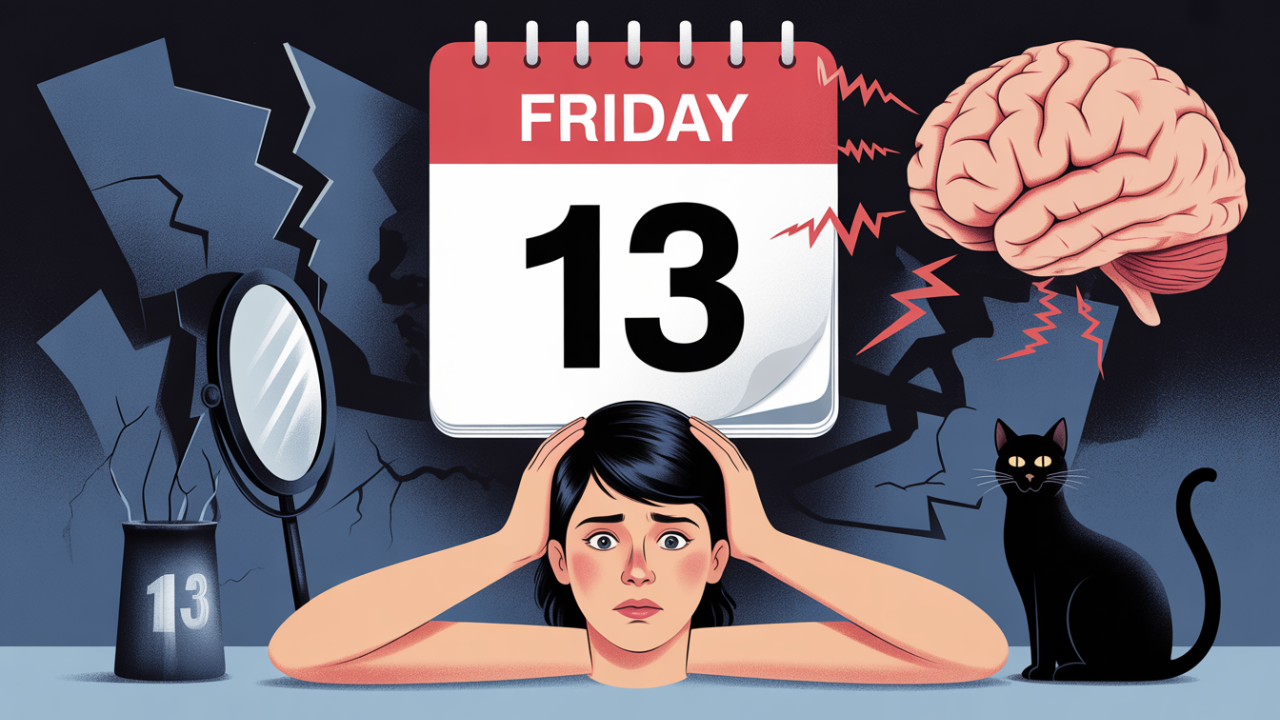
Friday the 13th has long been surrounded by mystery, superstition, and cultural beliefs about bad luck. For some people, it is just another ordinary day. For others, it feels like a date filled with danger, misfortune, and anxiety. But what if the fear associated with this day is not just imagination? Psychological research suggests that believing something bad will happen can actually increase the chances of negative outcomes. This phenomenon is known as the self-fulfilling prophecy.
The idea behind a self-fulfilling prophecy is simple yet powerful. When individuals strongly believe that a certain event will occur, their behavior and emotional reactions often unknowingly push them toward making that event happen. This concept helps explain why Friday the 13th can feel unlucky for people who already fear it.
Understanding the Self-Fulfilling Prophecy
A self-fulfilling prophecy occurs when expectations influence behavior in a way that leads those expectations to become reality. In everyday life, this psychological mechanism can affect relationships, career performance, and even health.
For example, if someone believes they will fail an important exam, they may experience anxiety, lose concentration, and study less effectively. As a result, their performance might decline, reinforcing their original belief. The same process can occur with superstitions. When individuals believe Friday the 13th is unlucky, they may become overly cautious, stressed, or distracted, which increases the likelihood of accidents or mistakes.
Psychologists explain that this cycle is fueled by the human brain’s tendency to search for evidence that confirms existing beliefs. Once a person associates Friday the 13th with negative experiences, even minor inconveniences can appear as proof of bad luck.
The Role of the Placebo and Nocebo Effects
One of the strongest scientific examples of self-fulfilling prophecy can be seen in medical research through the placebo and nocebo effects. The placebo effect occurs when a person experiences improvement in symptoms after receiving an inactive treatment simply because they believe it will help. This shows how positive expectations can lead to real physical and neurological changes in the body.
On the other hand, the nocebo effect demonstrates the opposite reaction. When individuals expect negative outcomes, they may experience real symptoms even when exposed to harmless substances. For instance, patients who believe a harmless pill will cause side effects often report experiencing them.
Scientific studies have shown that beliefs can directly influence brain activity. Positive expectations may reduce activity in brain regions associated with pain and emotional distress, while negative expectations can increase activation in the same areas. These findings highlight the strong connection between thoughts, brain function, and physical sensations.
The Historical Roots of Friday the 13th Fear
The fear of Friday the 13th is so widespread that it even has a scientific name: paraskevidekatriaphobia. The origins of this superstition are often linked to religious and cultural traditions.
According to historical beliefs, the number 13 gained negative associations through religious symbolism. One popular explanation suggests that Judas, known for betraying Jesus, was considered the thirteenth guest at the Last Supper. Additionally, Friday is believed to be the day when Jesus was crucified, further strengthening the connection between the day and misfortune.
Cultural storytelling, literature, and films have also contributed to reinforcing the fear of Friday the 13th. Over time, these stories have shaped public perception to the extent that some hotels skip the 13th floor, airlines avoid seat number 13, and certain buildings remove the number from room listings entirely.
Real-Life Consequences of Superstitions
Although Friday the 13th may appear to be harmless folklore, research suggests that superstitions can influence real-world behavior. In several countries, people avoid traveling, making financial decisions, or engaging in important activities on this day due to fear of bad luck.
Economic studies estimate that fear of Friday the 13th leads to significant financial losses annually, as individuals cancel plans, delay purchases, or avoid work-related commitments. Interestingly, the day can also produce the opposite reaction. Some people consider Friday the 13th lucky and participate more actively in lotteries or gambling activities, believing it increases their chances of success.
More concerning are studies suggesting a possible rise in accident rates on Friday the 13th. Researchers believe anxiety and distraction caused by superstition can affect concentration, decision-making, and reaction times, especially in situations such as driving.
How Fear Changes Brain Function
Fear has a direct impact on brain activity and decision-making processes. When individuals feel anxious or stressed, the brain’s rational thinking center, known as the prefrontal cortex, becomes less active. This can lead to impulsive or emotional decisions rather than logical ones.
At the same time, fear triggers the release of cortisol, a stress hormone that prepares the body for potential danger. While cortisol can help in emergencies, excessive stress can create hypervigilance, making individuals overly alert and more likely to misinterpret normal situations as threats.
For people who fear Friday the 13th, ordinary inconveniences such as losing keys or missing a bus may appear as confirmation of bad luck. This reinforces the belief and strengthens the psychological cycle of superstition.
Why the Human Brain Believes in Superstitions
Humans naturally seek patterns and explanations for events, even when none exist. This tendency, known as cognitive bias, helps individuals make quick decisions but can also lead to irrational beliefs. Superstitions often develop when people associate unrelated events with cause-and-effect relationships.
For example, if someone experiences a negative event on Friday the 13th, they may attribute the event to the date rather than coincidence. Over time, repeated associations strengthen the belief, making it more difficult to break.
Social and cultural influences also play a significant role. When communities, media, and traditions reinforce certain superstitions, individuals are more likely to adopt them as part of their belief systems.
The Positive Side of Belief
While negative beliefs can create stress and fear, positive beliefs can have the opposite effect. Confidence, optimism, and positive expectations can improve performance, reduce anxiety, and promote success. The same psychological mechanism behind self-fulfilling prophecy can therefore be used as a tool for personal growth.
For example, individuals who approach challenges with confidence are more likely to take action, remain motivated, and achieve better outcomes. This highlights the importance of mindset in shaping life experiences.
Breaking the Cycle of Fear
Understanding the psychological roots of superstition is the first step toward overcoming it. Experts suggest focusing on rational thinking, mindfulness, and stress management to reduce fear-driven behavior. Recognizing that coincidence and probability play major roles in everyday events can help individuals avoid reinforcing irrational beliefs.
Education and awareness also play key roles in reducing superstition. By understanding how thoughts influence behavior and perception, individuals can develop healthier mental habits and reduce unnecessary anxiety.
Conclusion: Luck Is Often Created by Belief
Friday the 13th continues to fascinate people around the world, blending cultural tradition with psychological curiosity. However, scientific research suggests that the day itself is not inherently unlucky. Instead, the fear associated with it can influence behavior and perception, making negative outcomes more likely.
The concept of self-fulfilling prophecy reminds us that beliefs hold powerful influence over human experiences. Whether positive or negative, expectations shape emotions, decisions, and actions. By cultivating positive thinking and rational awareness, individuals can reduce unnecessary fear and potentially transform “unlucky” days into ordinary or even successful ones.


