
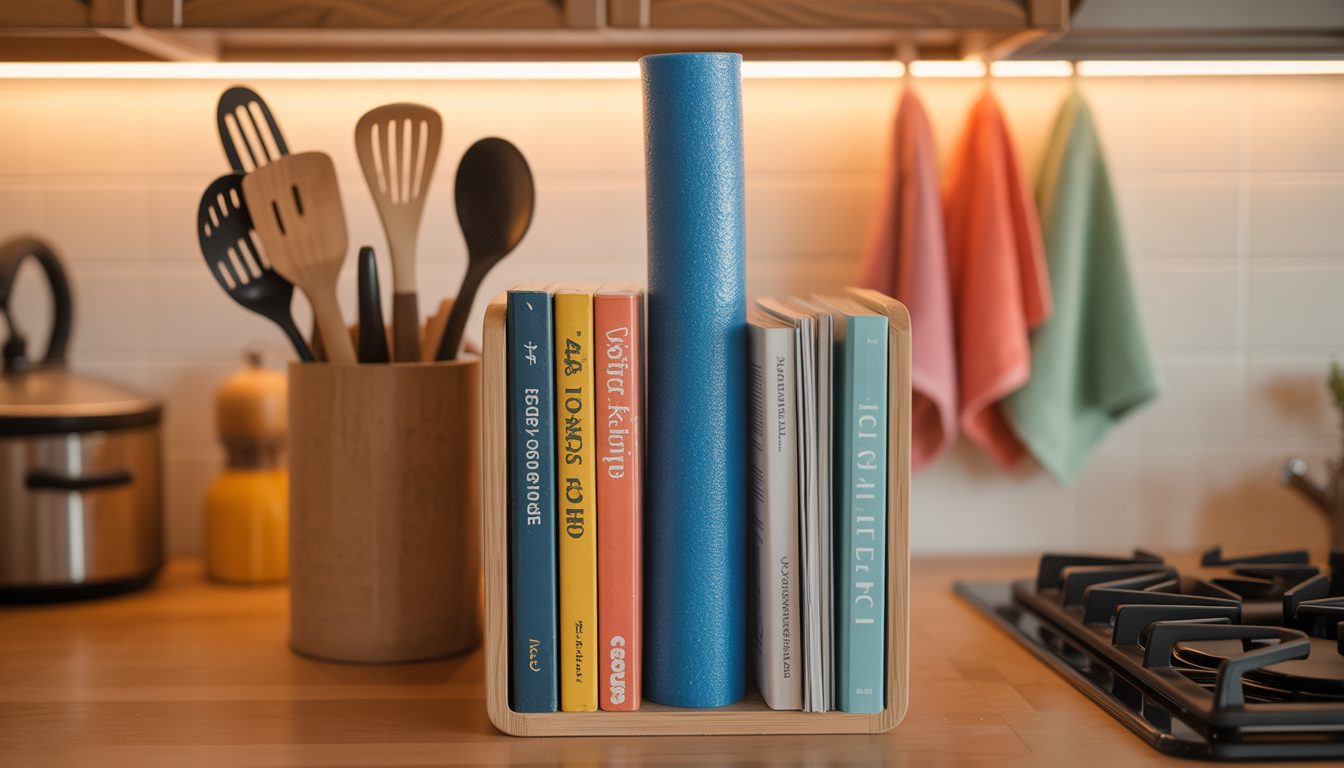
Last Tuesday, I watched my neighbor struggle with a familiar kitchen problem. She tried to grab a late-night snack quietly, but her cabinet door slammed shut with a crack loud enough to wake the entire house.
Two minutes later, she returned holding a bright yellow pool noodle and a pair of scissors.
I assumed she was joking.
She wasn’t.
She sliced the noodle into small pieces and wedged them where the cabinet door meets the frame. The next time she closed it—silence. No slam. No echo. Just a soft, cushioned close.
For $2, she solved a problem many people tolerate for years.
Why Pool Noodles Work So Well in the Kitchen
Pool noodles aren’t just for swimming pools. Their foam structure makes them surprisingly effective for absorbing impact, reducing noise, and adding cushioning where needed.
They’re:
- Lightweight
- Waterproof
- Flexible yet firm
- Easy to cut
- Extremely inexpensive
That combination makes them perfect for small kitchen upgrades without tools, hardware replacements, or expensive renovations.
7 Smart Ways to Use Pool Noodles in Your Kitchen
Here are the most effective uses that actually make a difference:
1. Cabinet Door Bumpers
Cut 1-inch slices and press them into the inside frame where doors make contact.
Result: No more slamming sounds.
2. Pot Lid Silencers
Place small segments under heavy lids when setting them down.
Result: No more loud metal-on-counter bangs.
3. Cutting Board Stabilizers
Slice a noodle lengthwise and place strips underneath your cutting board.
Result: Instant grip and safer food prep.
4. Drawer Edge Protectors
Slip a slit piece over sharp drawer edges.
Result: Fewer scratches and snagged clothes.
5. Appliance Cord Organizers
Thread cords through the hollow center.
Result: Cleaner counters and less tangling.
6. Sink Edge Cushions
Place small pieces along hard sink edges while washing dishes.
Result: Less risk of chipped plates and glasses.
7. Refrigerator Gap Fillers
Cut to size and slide between the fridge and counter.
Result: Prevents utensils and small items from disappearing into hard-to-reach gaps.
What It Actually Changes
This hack isn’t just about noise reduction. It transforms how your kitchen feels.
When cabinet doors close quietly and cutting boards stop sliding, the entire space becomes calmer and safer. Morning routines feel less rushed. Late-night snacks don’t wake the household. Food prep becomes more stable and efficient.
Small friction points disappear—and those tiny daily irritations add up.
Cost vs. Benefit
| Kitchen Problem | Pool Noodle Fix | Time Needed | Approx. Cost |
|---|---|---|---|
| Banging cabinets | 1-inch foam bumpers | 2 minutes | $0.25 |
| Sliding board | Lengthwise strip | 3 minutes | $0.50 |
| Sharp edges | Slit foam cover | 5 minutes | $0.75 |
| Tangled cords | Hollow threading | 1 minute | $0.30 |
One $2 noodle can solve multiple issues at once.
Installation Tips
- Use a sharp serrated knife for clean cuts.
- Measure before cutting to avoid waste.
- For permanent placement, add a small amount of clear silicone caulk.
- Choose neutral colors if you want a less visible finish.
Most applications require no adhesive—the foam naturally grips surfaces.
Durability and Maintenance
Pool noodles typically last 1–2 years in kitchen environments. They resist moisture well and won’t rust or warp. If a piece wears down, replacement takes minutes and costs pennies.
Just wipe them clean occasionally with a damp cloth.
FAQs
How long do pool noodles last in kitchen use?
Generally 1–2 years, depending on placement and wear.
Can they handle heat and moisture?
Yes. They’re designed for water exposure and handle standard kitchen temperatures without issues.
What’s the best way to cut them?
A serrated knife or electric carving knife works best to avoid crushing the foam.
Will they leave residue on cabinets or counters?
No. Quality foam noodles don’t leave marks or sticky residue.
Are they food-safe?
They shouldn’t come into direct contact with food, but using them around cabinets, drawers, and appliances is safe.
Sometimes the smartest home improvements aren’t expensive upgrades.
They’re $2 solutions hiding in the seasonal aisle.


