
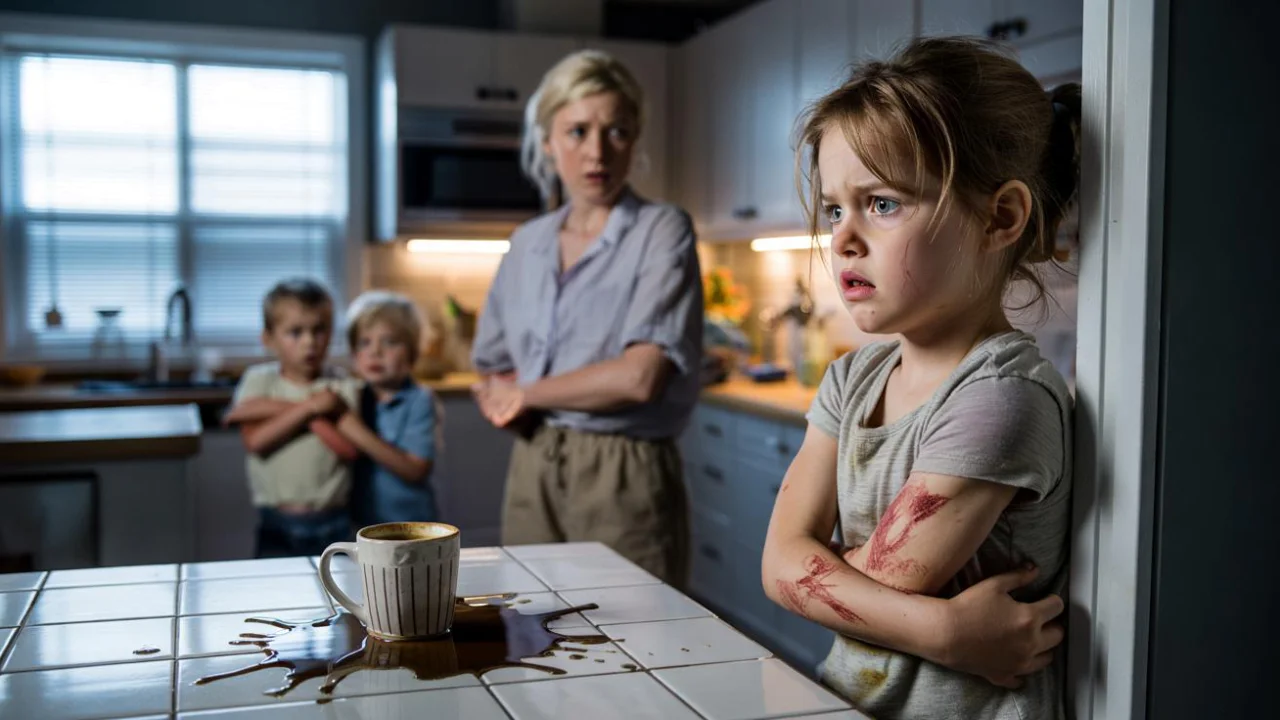
Sarah thought she was doing the right thing when she opened her door to her 14-year-old niece Maya. The girl had nowhere else to go after her mother’s latest overdose landed her in rehab for the fourth time. Foster care seemed like the worst option, and Sarah had two kids of her own who could use a big sister figure.
Three months later, Sarah found herself explaining to a police officer why there were holes punched in her hallway wall. Maya stood behind him, tears streaming down her face, insisting her aunt had “thrown her against the door” during an argument about curfew. The officer’s pen hovered over his notepad as Sarah’s own children watched from the top of the stairs, confused and scared.
“I thought love would be enough,” Sarah later told her sister over the phone. “I had no idea what I was walking into.”
The Hidden Reality of Troubled Niece Adoption
Stories like Sarah’s are happening in living rooms across America right now. Well-meaning relatives step in to prevent a child from entering the foster care system, only to discover that good intentions don’t automatically heal deep trauma.
The troubled niece adoption scenario has become increasingly common as family members try to keep children out of an overburdened foster care system. What starts as an act of compassion often spirals into a nightmare that threatens entire families.
“These families think they’re rescuing a child, and in many ways they are,” explains Dr. Rachel Martinez, a family trauma specialist. “But they’re rarely prepared for the behavioral challenges that come with a child who’s experienced significant trauma.”
The reality hits hard and fast. Violent outbursts over minor requests. False accusations that bring social workers to the door. Manipulation tactics that pit family members against each other. The very children they’re trying to protect often become the source of chaos that threatens the stability of the entire household.
What Families Face When Taking In Troubled Relatives
The challenges of troubled niece adoption extend far beyond typical teenage rebellion. These children often carry invisible wounds that manifest in destructive ways:
- Self-harm behaviors disguised as abuse by caregivers
- Deliberate property destruction during minor conflicts
- False allegations of physical or emotional abuse
- Manipulation of emergency services and school counselors
- Threats of suicide or running away during discipline
- Aggressive behavior toward younger children in the home
| Challenge | Frequency | Impact on Family |
|---|---|---|
| False abuse allegations | 67% of cases | CPS investigations, legal costs |
| Violent outbursts | 84% of cases | Property damage, fear in home |
| School behavior problems | 71% of cases | Suspension, educational disruption |
| Threats to other children | 43% of cases | Safety concerns, family division |
“The most heartbreaking part is watching these families realize they might have to choose between helping their niece and protecting their own children,” says child welfare advocate Janet Thompson. “It’s an impossible decision that nobody should have to make.”
The Public Backlash That Makes Everything Worse
Perhaps the cruelest twist in these situations is the judgment that comes from the outside. When families reach their breaking point and consider residential treatment or even returning the child to state care, they face fierce criticism from those who don’t understand the daily reality.
Social media comments pour in: “How can you give up on family?” “That child just needs love and patience.” “You’re abandoning her when she needs you most.”
These judgments ignore the complex trauma responses that trained professionals struggle to manage. They dismiss the very real safety concerns for other children in the home. Most painfully, they blame families for not being able to single-handedly heal years of damage.
The division of public opinion creates an additional layer of isolation for struggling families. Half the country insists they should never have taken the child in without proper training and support. The other half condemns them as heartless if they seek help or consider alternative placements.
“These families become trapped between their own guilt and society’s expectations,” explains family therapist Dr. Michael Chen. “They’re damned if they do and damned if they don’t, while dealing with behaviors that would challenge even experienced foster parents.”
When Good Intentions Meet Harsh Reality
The troubled niece adoption crisis reveals a fundamental flaw in how society handles child welfare. We expect untrained family members to succeed where professional caregivers often struggle. We offer little support, then judge harshly when they reach their limits.
These children desperately need help, but that help often requires more than a loving home can provide. Residential treatment, intensive therapy, and specialized education programs cost thousands of dollars that most families don’t have.
Meanwhile, the biological children in these homes pay a price that’s rarely discussed. They lose their sense of safety, watch their parents become consumed with crisis management, and sometimes suffer actual harm from their new sibling’s behavioral problems.
“We’re asking families to choose between two vulnerable children,” notes child advocate Maria Rodriguez. “The troubled niece who needs intensive help, and their own children who need stability and safety. There’s no good answer.”
The most tragic cases end with families destroyed, marriages strained to the breaking point, and the troubled child back in state care anyway. The very outcome everyone was trying to prevent becomes inevitable, but now multiple children have been traumatized in the process.
Some families do find success, but it usually requires professional help, community support, and sometimes temporary out-of-home placement while the child receives intensive treatment. The fairy tale ending where love conquers all is rare in real life.
FAQs
What should families know before taking in a troubled relative?
Families need professional assessment, trauma-informed training, and access to mental health services before committing to care for a traumatized child.
Are false abuse allegations common in these situations?
Yes, children with trauma histories often make false allegations as a way to regain control or test boundaries, especially when facing discipline or limits.
Can families get support for troubled niece adoption?
Limited support exists through kinship care programs, but most families struggle to access adequate resources and training.
What happens to other children in the home?
Biological children often experience secondary trauma, academic problems, and behavioral changes due to the chaos and stress in their home.
Should families feel guilty about seeking alternative placement?
No, recognizing when a child needs more intensive help than a family can provide is responsible, not abandonment.
How can communities better support these families?
Communities need to provide respite care, emergency counseling services, and financial assistance rather than judgment when families struggle.


