
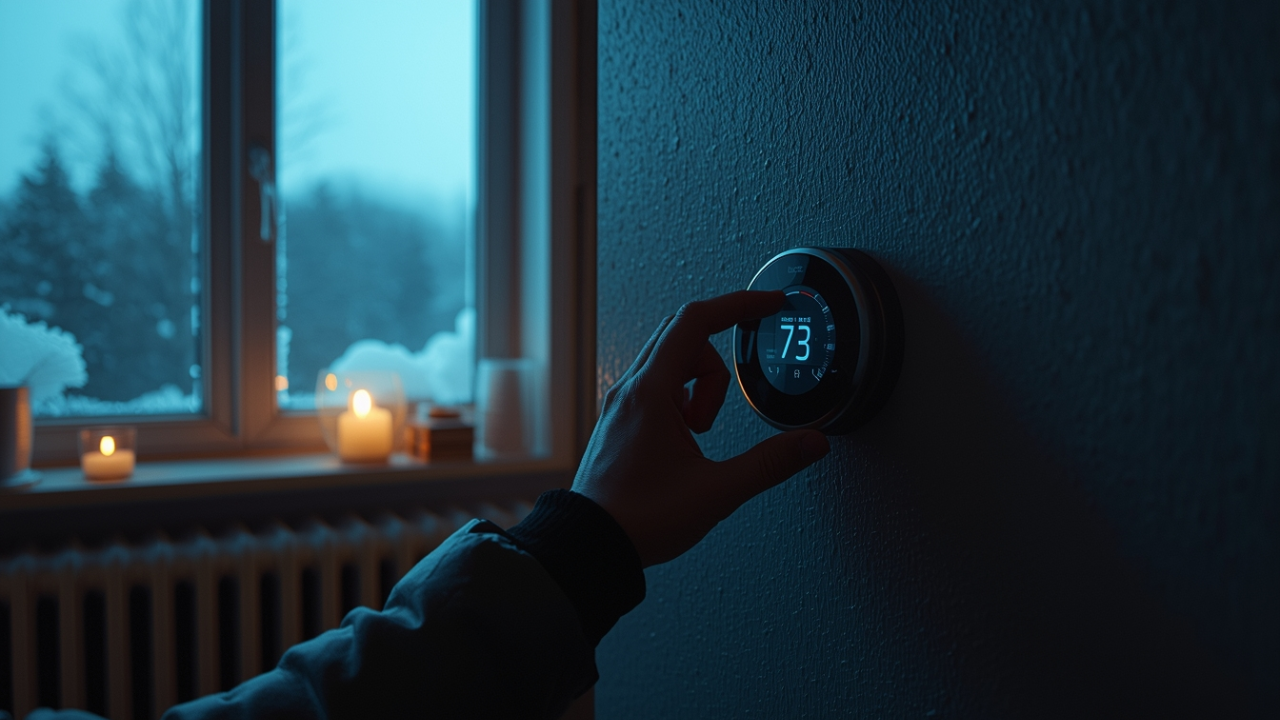
As winter tightens its grip and household energy bills begin to rise, many people instinctively lower their thermostat before leaving home. It feels like a responsible decision. After all, why heat an empty house?
The logic seems simple — less heating means less energy consumption and lower costs. However, heating experts and energy studies suggest that this common habit can sometimes backfire. In many situations, drastically lowering or turning off heating completely may end up costing more in energy and comfort.
Understanding how heating systems and buildings behave can help homeowners avoid hidden energy waste and manage heating more efficiently.
Why Letting Your House Get Too Cold Can Increase Costs
Central heating systems are designed to maintain relatively stable indoor temperatures. They operate most efficiently when they make small adjustments rather than large temperature recoveries.
When you turn heating down drastically, it is not just the air that cools. The entire structure of your home absorbs the cold, including:
- Walls
- Floors and ceilings
- Furniture
- Carpets and bedding
- Interior surfaces
These elements store cold just as they store warmth. Once your house loses this stored heat, your heating system must work much harder to warm everything again.
This recovery process can require long heating cycles, increasing energy consumption and cancelling out short-term savings made while you were away.
The “Cold Battery” Effect Inside Your Home
Buildings act like thermal batteries. When warm, they store heat energy. When cold, they absorb warmth from the air until they gradually reheat.
During winter, this effect becomes stronger because outdoor temperatures accelerate heat loss. If a home cools excessively, heating systems must:
- Heat the air again
- Reheat structural materials
- Counter ongoing heat loss through walls and windows
Even when your thermostat shows a comfortable number, cold surfaces can still make the house feel chilly. Human comfort depends not only on air temperature but also on radiant temperature — the warmth we feel from surrounding surfaces.
Cold walls, floors and furniture can create discomfort even in rooms that technically meet temperature targets.
Reduce Heating, Don’t Completely Switch It Off
Energy specialists widely recommend lowering heating moderately rather than shutting it off entirely during short absences.
Maintaining a slightly lower “base temperature” allows your home to retain stored heat, which reduces the effort required to return to comfortable levels.
For short outings such as shopping trips or dinner outside, reducing the thermostat by about 2–3°C is often the most efficient option. This approach slows heat loss while keeping building materials warm enough to prevent energy spikes later.
When you return, your heating system only needs a small boost rather than a full restart.
How Absence Duration Changes Heating Strategy
The best heating approach depends largely on how long you will be away.
Short Absence (2–8 Hours)
Lower temperature slightly but keep heating active. This prevents structural cooling and reduces reheating energy.
Overnight or Full Workday
A slightly deeper reduction is acceptable, but keeping a base temperature remains important.
Several Days Away
Using a holiday or eco setting is sensible. However, temperatures should stay above frost and moisture risk levels.
Many building professionals recommend maintaining indoor winter temperatures above approximately 15–16°C. Dropping below this level increases the risk of condensation and dampness, especially in older or poorly insulated homes.
How Smart Thermostats Improve Efficiency
Modern programmable and smart thermostats have transformed home heating management. They allow homeowners to schedule heating patterns that match daily routines.
A well-programmed system can balance comfort and efficiency by adjusting temperatures throughout the day.
Example Heating Schedule
| Time Period | Suggested Temperature | Benefit |
|---|---|---|
| While Away | 16–17°C | Slows heat loss without structural cooling |
| Before Arrival | 19–20°C | Gradual warming for comfort |
| Night Time | 16–17°C | Saves energy and supports sleep comfort |
Some advanced thermostats include geolocation features that detect when homeowners are returning. Others learn heating patterns and automatically adjust timing to reach desired temperatures efficiently.
These technologies help avoid unnecessary heating while ensuring comfort when needed.
What Research Says About Heating Efficiency
Studies across Europe and North America consistently show that stable heating control usually consumes less energy than extreme on-off cycles.
When indoor temperatures drop sharply:
- The difference between indoor and outdoor temperatures increases, accelerating heat loss.
- Cold surfaces increase condensation risk.
- Boilers and heat pumps must operate longer at higher intensity.
- Damp and mould problems become more likely.
Energy agencies generally recommend controlled temperature setbacks rather than complete shutdowns during short or medium absences.
Why Every Home Behaves Differently
Heating efficiency depends heavily on the characteristics of individual buildings. The same heating approach may not work equally well for every property.
Key Influencing Factors
Insulation Quality
Well-insulated homes cool more slowly, allowing larger temperature reductions without comfort or efficiency loss.
Heating System Type
Underfloor heating reacts slowly but maintains steady warmth. Electric heaters warm quickly but may use more power during recovery periods.
Air Tightness
Homes with draughts lose heat faster, making deep temperature drops more costly.
Newer buildings with strong insulation can tolerate greater heating reductions. Older homes typically perform better with steady, moderate heating.
Gas Boilers vs Heat Pumps: Different Systems, Same Principle
Traditional radiator systems powered by gas boilers can increase temperatures relatively quickly. However, they still struggle when heating must recover from very low indoor temperatures.
Heat pumps, increasingly popular due to energy efficiency, operate best when running continuously at lower power levels. Rapid heating demands reduce their efficiency and can sometimes affect performance.
Both systems benefit from steady temperature control rather than extreme heating cycles.
Understanding Thermal Inertia and Setback Temperature
Two important concepts help explain efficient heating strategies.
Thermal Inertia
This refers to how slowly or quickly a building changes temperature. Heavy construction materials like concrete and stone retain heat longer, while lightweight materials adjust faster.
Homes with high thermal inertia stay warm longer but also take longer to reheat after cooling.
Setback Temperature
Instead of choosing between heating fully on or off, setback temperature defines a lower temperature used when occupants are asleep or away. For example, maintaining 17°C instead of completely shutting heating off.
These concepts help homeowners make heating decisions tailored to their building type.
Real-Life Example: Heating Cost Comparison
Consider a winter day in a moderately insulated home with an outdoor temperature of around 3°C.
Scenario One: Heating Turned Off
The house temperature drops to approximately 13°C during the day. When heating restarts in the evening, the system runs continuously at high power for hours to reheat cold surfaces.
Scenario Two: Reduced Heating
The thermostat maintains 16–17°C throughout the day. When heating increases in the evening, the system requires less time and energy to reach comfort levels.
Energy monitoring studies often show that the second method provides equal or lower energy usage with improved comfort.
Over an entire winter season, the cost difference can become significant.
Small Habits That Improve Heating Efficiency
Heating performance depends not only on thermostat settings but also on everyday habits.
- Avoid leaving windows slightly open all day during winter. Instead, ventilate quickly for short periods.
- Bleed radiators regularly to ensure efficient water circulation.
- Keep furniture slightly away from radiators to improve airflow.
- Use heavy curtains at night to reduce heat loss, but avoid covering heating units.
These simple actions reduce strain on heating systems and improve overall efficiency.
The Smarter Way to Stay Warm and Save Money
The instinct to reduce heating while leaving home comes from a genuine desire to save energy and money. However, heating systems and buildings function as interconnected systems that respond better to stability than extremes.
Maintaining a moderately warm home allows heating equipment to operate steadily, prevents excessive energy spikes and improves indoor comfort. Over time, this balanced approach can protect both your home and your energy budget.
Rather than thinking of heating as either fully on or fully off, experts suggest viewing it as a carefully managed cycle — one that keeps warmth stored inside your home even when you step outside into the winter cold.


