
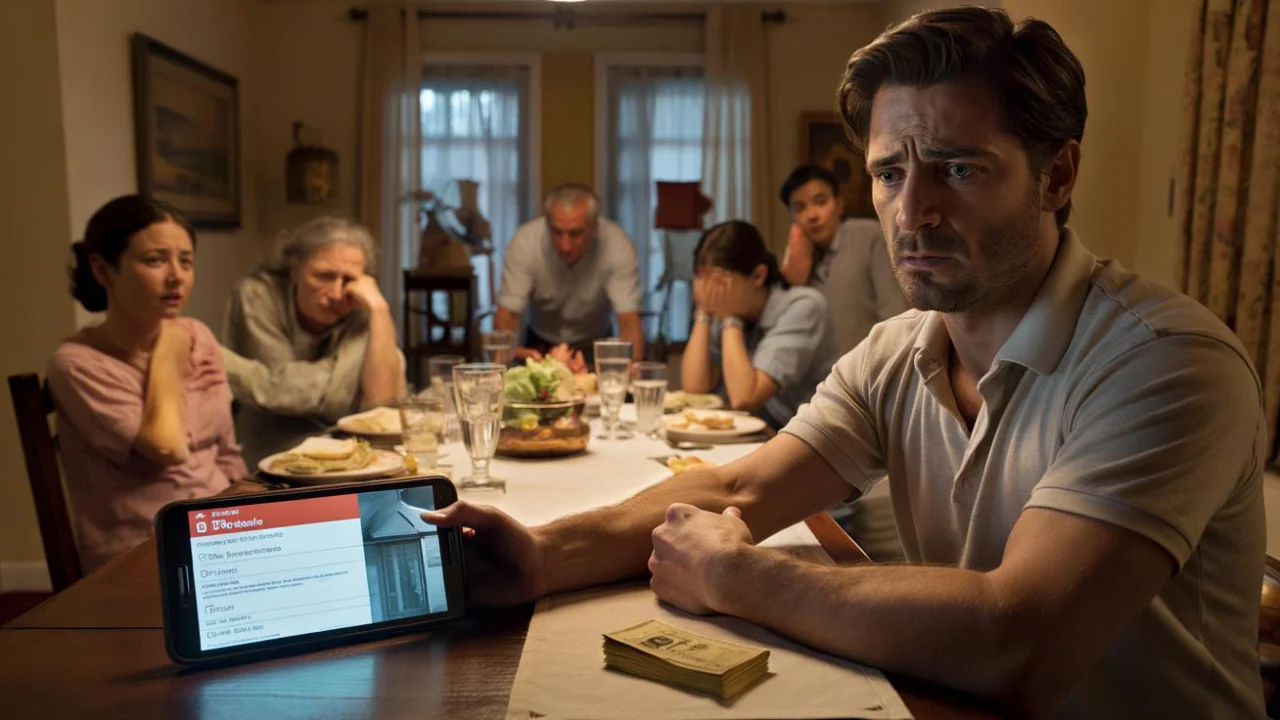
Maria stared at the text message from her brother for twenty minutes before responding. “Did you really have to name Uncle Roberto in that report?” she typed, then deleted, then typed again. Outside her kitchen window, the same neighbor who’d slipped the building inspector fifty euros last month was watering his perfectly legal balcony garden.
The message that finally came back made her stomach drop: “I named everyone, Maria. Every single person who took money they shouldn’t have.”
That was six months ago. They haven’t spoken since. And across thousands of families dealing with similar whistleblower corruption cases, the same painful question echoes: When doing the right thing tears apart everything you love, who’s really the villain?
The moral earthquake shaking ordinary families
This isn’t the corruption you see in movies—no briefcases full of cash or shadowy political deals. We’re talking about the everyday variety that lives in the gray areas where most people operate without thinking twice.
A municipal worker who speeds up permit approvals for a small “thank you” payment. A teacher who accepts gifts that feel suspiciously like bribes for better grades. A contractor who wins bids because his cousin sits on the selection committee.
For generations, these practices existed in a comfortable bubble of collective denial. Everyone knew, few talked about it, and life went on.
Then someone breaks the unspoken rules. A whistleblower corruption case emerges from within the family circle itself, and suddenly the comfortable gray area becomes a battlefield.
“The most painful cases I see aren’t about strangers reporting strangers,” says Dr. Elena Rodriguez, who studies workplace ethics at Valencia University. “They’re about family members who can no longer stomach what they’ve been watching in silence.”
The devastating personal cost of speaking up
When whistleblowers expose corruption within their own circles, the backlash often targets what hurts most: relationships and livelihood. Here’s what typically happens:
- Family fractures: Extended families split into “traitor” and “hero” camps, with holiday gatherings becoming minefields
- Economic retaliation: The whistleblower often loses work opportunities as word spreads through professional networks
- Social isolation: Neighbors and friends choose sides, creating hostile environments in previously comfortable communities
- Emotional warfare: Children become pawns, with custody disputes and inheritance battles following moral battle lines
- Identity crisis: Both sides question their fundamental values about loyalty, justice, and survival
| Perspective | Core Belief | Biggest Fear |
|---|---|---|
| Whistleblower | Corruption poisons society | Becoming complicit through silence |
| Family/Community | Loyalty protects survival | Losing economic security |
| Society | Systems need accountability | Chaos from too much transparency |
The emotional toll extends beyond immediate families. Children watch their parents argue about moral principles they barely understand. Elderly relatives find themselves cut off from grandchildren over conflicts they never saw coming.
“I’ve seen marriages end because one spouse reported the other’s workplace,” notes family therapist Dr. James Miller. “The betrayal isn’t about the money—it’s about the assumption that family loyalty trumps everything else.”
Why “harmless” corruption hits so hard
The whistleblower corruption cases that destroy families usually involve petty rather than grand theft. A few hundred euros here, a small favor there, a contract that goes to a cousin instead of the lowest bidder.
This creates a unique psychological conflict. The amounts seem almost trivial compared to the family devastation that follows exposure. Critics argue that whistleblowers in these cases are moral absolutists who’ve lost perspective on real-world priorities.
But supporters point out that small-scale corruption creates the foundation for larger systemic problems. Every uncontested bribe normalizes the next one. Every “harmless” favor teaches the next generation that integrity is negotiable.
“People say I destroyed my family over a few thousand euros,” explains one anonymous whistleblower whose case we’ve been following. “But it wasn’t about the money. It was about watching my own children learn that rules don’t apply to people like us.”
The impossible choice between justice and survival
The most heartbreaking element of these family whistleblower corruption disputes is how both sides can be right simultaneously.
Families operating in economically precarious situations often rely on informal networks that blur ethical lines. A construction worker who can’t get contracts without paying kickbacks faces a genuine choice between feeding his family and maintaining moral purity.
Meanwhile, the whistleblower watches public resources drain away through thousands of small compromises, knowing that collective silence enables systemic decay.
“We’re asking people to choose between two kinds of loyalty,” observes social psychologist Dr. Carmen Restrepo. “Loyalty to immediate family versus loyalty to broader societal values. Most ethical frameworks aren’t equipped to handle that conflict.”
The psychological stress affects everyone involved. Whistleblowers frequently report depression, anxiety, and persistent guilt about family relationships. Family members describe feeling betrayed by someone they trusted completely.
Even years later, many participants in these conflicts struggle with their choices. Success in stopping corruption feels hollow when it comes at the cost of losing people you love.
The ripple effects nobody talks about
Beyond the immediate family drama, whistleblower corruption cases create broader social tensions that persist long after news coverage fades.
Communities become paranoid about who might be watching and reporting. Trust erodes not just between officials and citizens, but between neighbors who suddenly wonder what secrets others might be keeping.
Some families develop elaborate strategies for managing split loyalties. Children learn to navigate conversations carefully, avoiding topics that might trigger arguments between parents and relatives.
Others embrace the conflict as necessary growing pains. These families often report stronger relationships eventually, built on honest communication rather than collective denial.
The legal system offers little guidance for these personal dilemmas. Whistleblower protection laws focus on professional retaliation, not family ostracism. Therapy and mediation services struggle with conflicts that involve both moral principles and economic survival.
FAQs
What protections exist for whistleblowers facing family retaliation?
Most legal protections focus on workplace retaliation, not personal relationships. Family mediation and therapy services offer the best support for relationship conflicts.
How can families prevent corruption disputes from escalating?
Open conversations about values and boundaries before crises occur help. Some families establish clear agreements about what practices they’ll accept or reject collectively.
Do whistleblower corruption cases actually reduce corruption?
Studies show mixed results. Small-scale exposure sometimes creates short-term behavior changes, but systemic corruption requires broader institutional reforms.
Why do corruption cases involving family members hurt more than others?
Family corruption violations feel like personal betrayal because they violate assumed trust and shared values, making the emotional stakes much higher.
Can families reconcile after whistleblower disputes?
Some do, especially with professional mediation. Success often depends on whether both sides can acknowledge the legitimacy of opposing concerns.
What advice do experts give to potential whistleblowers in family situations?
Consider all consequences carefully, seek professional guidance, and prepare for long-term relationship impacts. Some situations may require choosing between moral integrity and family harmony.


