
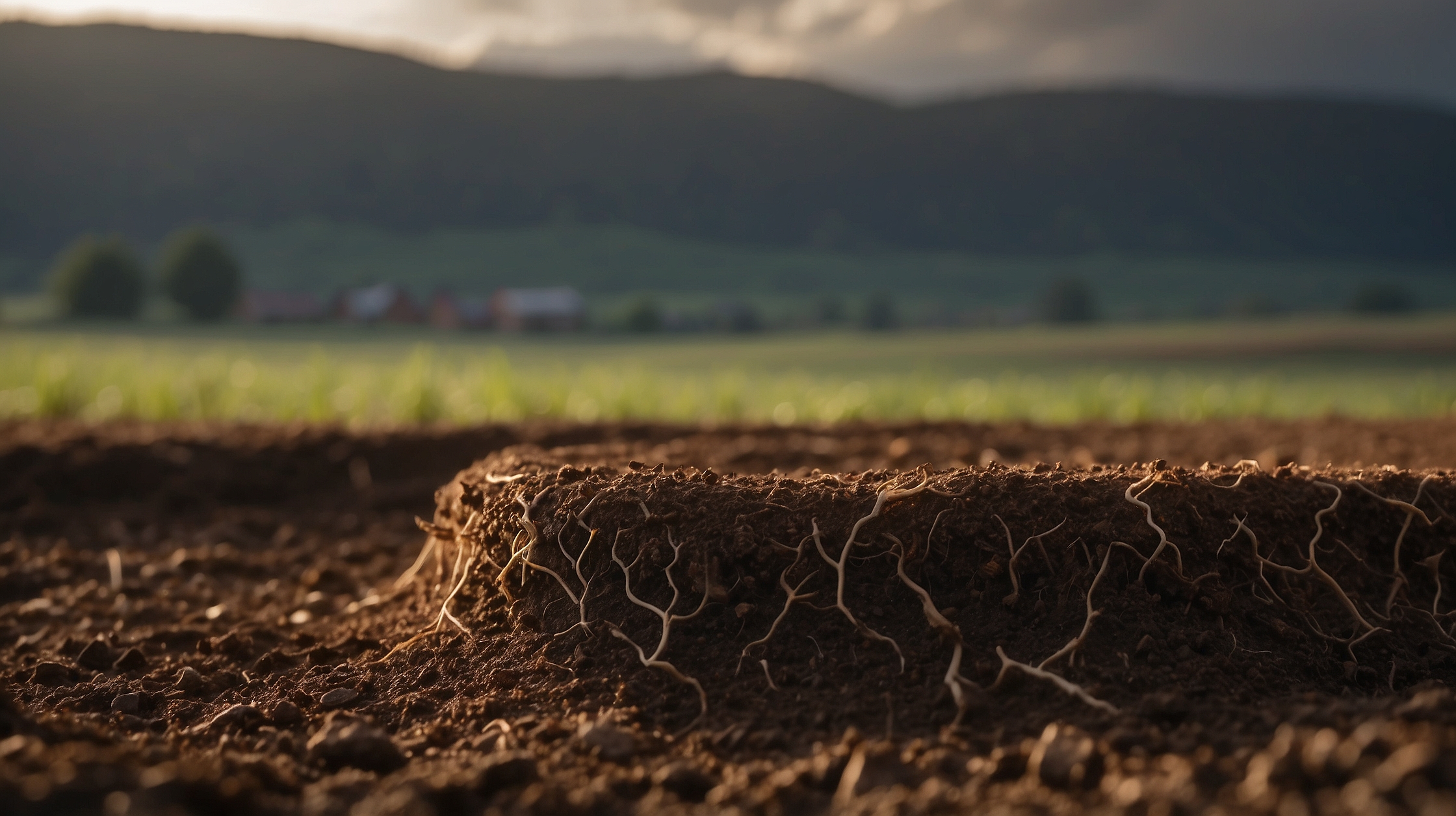
Dark, rich soil has long been hailed as the holy grail of gardening and agriculture. For centuries, farmers and gardeners alike have equated darker soil color with higher fertility, assuming that its hue indicated the presence of more organic matter, better moisture retention, and richer nutrients. But recent scientific insights reveal a stark new reality: soil color alone isn’t a reliable indicator of soil health or fertility. While there’s a strong historical correlation, the world beneath our feet is far more complex than simple shades of brown and black.
This misconception can lead to poor land use decisions, misguided fertilization, and even lower crop yields. The truth is that while darker soils may contain more organic matter, they can also harbor toxins, be poorly structured, or be biologically inactive. Understanding the real factors contributing to soil fertility, such as nutrient availability, microbial life, and pH balance, is far more crucial than relying on superficial color cues. Let’s unpack the truth about dark soil and its limitations.
Quick facts about soil color and fertility
| Topic | Details |
|---|---|
| Common Assumption | Darker colored soil equals more fertile |
| Scientific Reality | Soil color does not guarantee fertility |
| Key Fertility Indicators | pH balance, nutrient content, microbial activity |
| Risks of Dark Soil | May contain heavy metals or lack nutrients despite dark appearance |
| Best Soil Health Practices | Regular testing, organic amendments, proper crop rotation |
Why soil color has been misunderstood
Historically, the assumption that darker soil implies good fertility made sense. Organic matter such as decomposed plants and animals does often darken soil, and zones with abundant organic content typically promote healthier crops. This traditional knowledge passed through generations, especially among farmers who observed better results from darker-toned loams.
But this visual guesswork can be misleading. Soil color is influenced by several variables that don’t directly relate to fertility. For instance, manganese oxides, iron compounds, and even moisture levels can darken soil, creating a false sense of nutritional richness. Soils contaminated by industrial waste, sewage sludge, or incorrect composting may also appear dark — and still be entirely unfit for growing food.
What actually determines soil fertility
True soil fertility depends on a mix of physical, chemical, and biological properties. These include:
- Nutrient content: Presence of essential nutrients like nitrogen, phosphorus, and potassium.
- pH level: Most crops thrive within a slightly acidic to neutral pH range (6.0–7.0).
- Microbial activity: Active populations of bacteria, fungi, and nematodes help break down organic matter and mobilize nutrients.
- Soil texture and structure: Proper combination of sand, silt, and clay determines water retention and aeration.
Only when these elements are harmoniously balanced can soil truly support plant productivity — regardless of its color.
Soil fertility is like a full orchestra — if one instrument is missing or out of tune, the whole performance suffers.
— Dr. Anita Roy, Soil Scientist
Dark soil can still be dead soil
In some cases, gardeners and farmers are shocked to learn that their lush, black earth produces weak or stunted crops. The reason? What they’re cultivating on may be “dead soil.” This term describes a soil ecosystem devoid of significant biological life or nutrient exchange, making it infertile even though visually it appears fertile.
Dead soil phenomena can occur due to chemical overuse, intensive monocropping, compaction, or natural disasters. Over time, even organically rich dark soil can degrade if not properly managed. Fertility must be actively regenerated through sustainable practices, not just hoped for based on color.
What harmful substances can dark soil hide?
Many forms of pollution can darken soil while simultaneously reducing or destroying fertility. Examples include:
- Heavy metals like lead, cadmium, and arsenic
- Excessive salts from industrial runoff or over-fertilization
- Petroleum-based residues from past vehicle or factory sites
- Excess organic load leading to anaerobic or “sour” soil conditions
Without soil testing, it’s impossible to determine whether darkness is due to high organic content or contamination. Especially in urban or suburban contexts, visual judgment can be dangerously misleading.
We tested jet-black soil on a reclaimed site and found it loaded with heavy metals — completely unusable for plants without remediation.
— Jenna Mays, Environmental Consultant
Modern soil management strategies
Given the unreliability of color, modern soil management depends on targeted interventions backed by scientific testing. Smart growers now rely on:
- Regular soil testing for pH, NPK levels, and contaminants
- Compost and green manure additions for organic matter and microbial stimulation
- Cover cropping for erosion control and nutrient cycling
- Mycorrhizal inoculants to restore fungal networks that assist root uptake
Healthy soil is invisible to the naked eye. You have to measure it, manage it, and nurture it over time.
— Carlos Muñoz, Regenerative Agriculture Expert
Visual myth vs lab truth: A side-by-side
| Soil Attribute | Visual Assumption | Scientific Measurement |
|---|---|---|
| Dark Color | Likely fertile | Can result from contamination or moisture |
| Dry, Pale Soil | Poor for crops | May just need organic matter addition |
| Loose and Fluffy | Aerated and fertile | Needs confirmation via biodiversity test |
How to check soil health the right way
Checking your soil doesn’t need to be expensive or complex. Here are some affordable steps:
- Use DIY soil pH strips or digital meters
- Send samples to a local agricultural extension or lab service
- Check for earthworms and root development as biological indicators
- Assess plant performance as an indirect signal of soil vitality
Remember, one test rarely tells the whole picture. Ongoing observation and adaptation are key to building soil over seasons and years.
Winners and losers of this misconception
| Winners | Losers |
|---|---|
| Industrial compost sellers marketing dark products | Gardeners relying solely on soil color cues |
| Testing labs providing real metrics | Crops grown in dead but dark-looking soils |
What this means for the future of farming and gardening
Moving forward, growers must prioritize data-driven decisions over surface impressions. Soil analytics and regenerative approaches are defining the next generation of productive and sustainable agriculture. And as more people cultivate urban gardens and community plots, eliminating myths around visual cues is essential to help maximize limited growing space and time.
Frequently Asked Questions About Soil Color and Fertility
Can dark soil be poor for growing plants?
Yes, dark soil may lack essential nutrients, have a poor pH balance, or contain contaminants, making it unsuitable despite its appearance.
Why is dark soil often associated with fertility?
Historically, high organic matter caused soil to darken, and this was linked to better crop yields. But this is not a reliable universal rule.
How can I tell if my soil is fertile?
Conduct soil tests for nutrients, pH, and microbial life. Observing plant growth and checking for earthworms also provides clues.
What makes soil “dead” despite its color?
Dead soil has little to no microbial activity or available nutrients, often caused by compaction, chemical overuse, or erosion.
Does adding compost always help dark soil?
Not necessarily. Overloading with compost can cause imbalances. Use test results to guide compost applications accordingly.
Is it safe to grow food in dark soil from urban lots?
Only after proper testing. Urban soils may be contaminated with heavy metals or construction debris that make them unsafe.
What’s better: light-colored healthy soil or dark untested soil?
Always choose soil that’s been tested and proven fertile, regardless of color. Function is more important than appearance.
Can soil color change over time with care?
Yes, adding organic matter and improving microbial life can darken soil naturally over time and improve fertility safely.


