
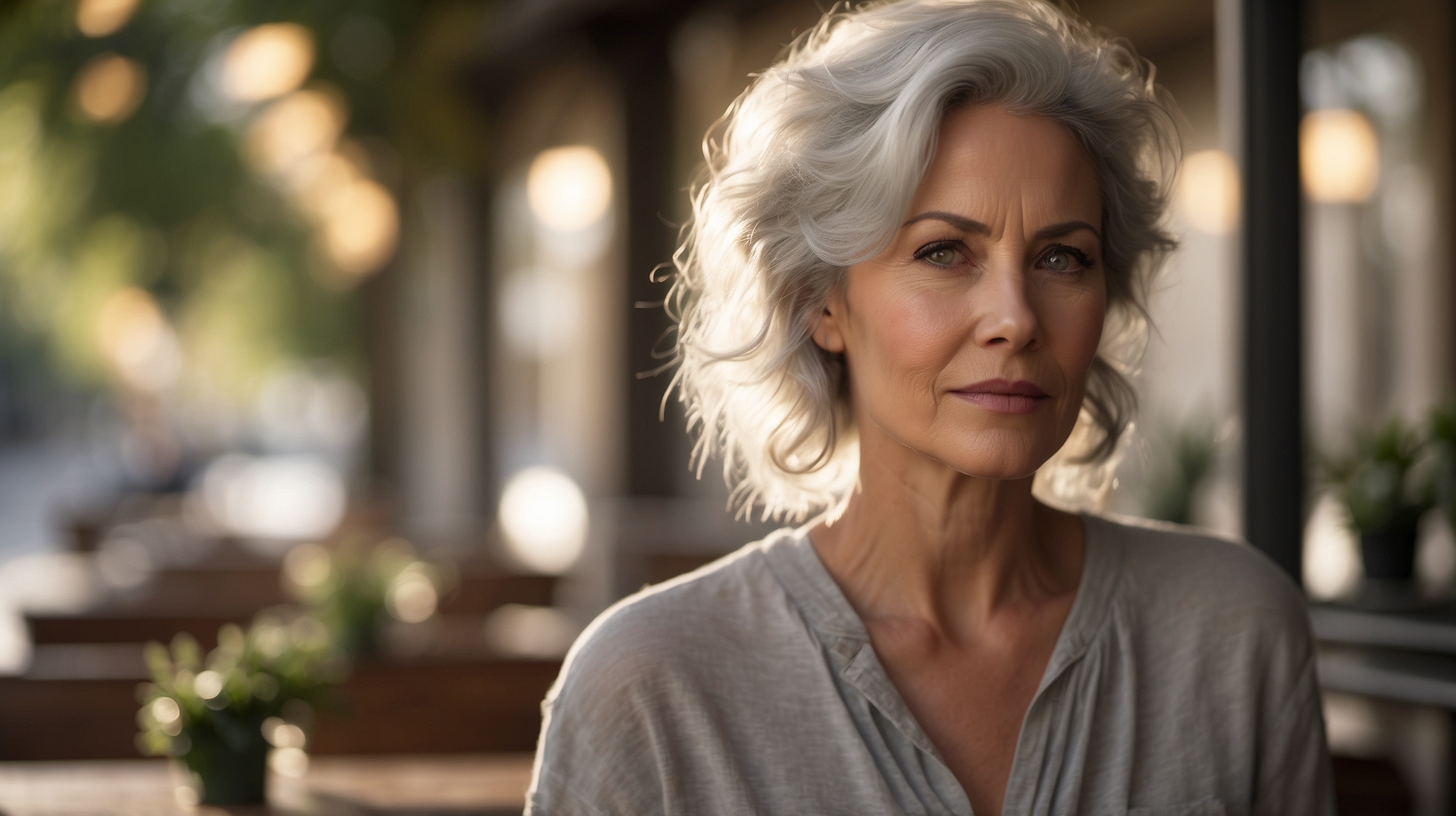
After decades of societal pressure to cover up their greys, a growing number of women across generations are saying goodbye to hair dye and embracing their natural silver strands. The shift isn’t just aesthetic—it’s cultural, generational, and deeply personal. Once seen as a sign of aging to hide, grey hair is now being redefined as a bold, empowering statement of self-acceptance and authenticity.
In a world where filters reign and youth is often equated with beauty, the decision to let grey hair show can still feel revolutionary. But the tide is turning. From fashion runways to social media feeds, silver-haired women are showing up not as outliers but as leaders of a new movement that celebrates aging confidently. With shifting beauty standards, growing awareness around health and sustainability, and post-pandemic perspectives that prioritize self-care over social expectations, more women are choosing grey—and redefining what beauty looks like at every age.
Overview of Women Embracing Grey Hair
| Trend Origin | Post-pandemic self-expression and beauty identity shift |
| Common Age Group | Women aged 35 and up, especially late 40s to 60s |
| Main Motivation | Authenticity, cost savings, health concerns, and time management |
| Social Influence | Rise in influencers, celebrities, and public figures with grey hair |
| Industry Response | More salons offering grey blending and transition services |
| Cultural Shift | Changing perception of aging and beauty norms |
Why more women are ditching hair dye
Hair dye has long been marketed as essential to maintaining one’s femininity and youth. For many women, regular coloring became a non-negotiable part of their beauty routine. But over the past few years, especially since the COVID-19 lockdowns, more women found themselves unable—or unwilling—to keep up with dye habits. During that pause, many rediscovered their natural hair and came to love it.
A rising awareness around the *chemicals used in hair dyes*—some of which are linked to allergic reactions and potential health risks—has also played a significant role. Others find the aging process less intimidating when it’s embraced rather than resisted. For many, going grey isn’t about giving up; it’s about reasserting personal choice.
“It was liberating to stop dyeing and realize I was no longer hiding from myself, or society’s expectations.”
— Jane Corbett, 57, artist
The impact of social media and representation
Platforms like Instagram and TikTok have offered visibility to a wide range of beauty expressions, including women with grey and silver hair. Influencers and everyday women alike are posting transformation videos of their grow-out journeys and sharing tips. This exposure has helped remove the stigma around grey hair.
What might have once seemed like an individual act of rebellion is now part of a broader cultural shift—one embraced by celebrities, CEOs, and fashion icons. Think of Andie MacDowell proudly showcasing her natural curls on the red carpet, or women in their 40s and 50s launching beauty channels with nothing but salt-and-pepper confidence.
Cost and practical benefits
Keeping up with root touch-ups every 3-5 weeks can become both time-consuming and expensive. For many women, going grey is a financially savvy decision. Touch-ups, highlights, toners, and salon visits add up. Natural hair care routines not only save money but also reduce long-term damage from repeated chemical treatments.
For women balancing households, careers, and other responsibilities, skipping salon appointments can feel like reclaiming valuable time. This reprioritization reflects a broader push toward sustainable and minimalist beauty routines.
“I used to spend hundreds a month on color. Now, I feel more authentic—and my wallet is grateful.”
— Maria Delgado, 49, business consultant
The rise of specialty salons and transition experts
The beauty industry has responded to this trend with innovation. A growing number of *grey transition stylists* now specialize in helping women grow out their natural hair color elegantly. Instead of enduring a harsh line between dyed and natural roots, women opt for dye blends that ease the transition from colored hair to silver strands.
This gray-positive movement is also reflected in new services like silver toning, lowlights, and dimension adding techniques that prevent greys from looking flat or dull. Salons and stylists see this as not only accommodating client demand—but staying ahead of future beauty trends.
Psychological benefits and confidence shift
The emotional impact of embracing grey hair can be profound. Many women report feeling more confident, less anxious about appearances, and more connected to their identity. By no longer hiding grey, women feel they are no longer hiding themselves.
Grey hair can signal confidence, maturity, and wisdom. Rather than feeling “old,” many women say they feel more aligned with their true selves. This authenticity resonates in professional settings, romantic relationships, and everyday life. As societal views evolve, grey hair becomes less a sign of aging and more a badge of empowerment.
“I feel like I’m walking into a room as the most *me* I’ve ever been.”
— Lydia Francis, 61, nonprofit director
Generational divide and shifting perceptions of beauty
Millennials and Gen Zers, despite being at earlier stages of aging, are also embracing *natural hair colors including grey*. This intergenerational trend is helping to reshape the narrative that only older women go grey. Younger women in their 30s have shared their conscious decision to not begin coloring their grey hairs, seeing it as part of holistic self-care and body acceptance.
The new generation of beauty consumers is challenging outdated perceptions. Grey hair, once seen as something to fix, is now being seen as something to celebrate and enhance. Digital communities are supporting this transformation, offering tutorials, affirmations, and scalp care guides specific to silver and grey hair management.
Winners and losers in the beauty industry
| Winners | Losers |
|---|---|
| Grey transition stylists | Traditional hair color services |
| Natural and silver hair care brands | Chemical dye manufacturers |
| Women seeking authentic beauty standards | Marketing campaigns centered on “anti-aging” |
| Salons offering tone/blend services | Frequent root maintenance services |
What to consider before going grey
Embracing grey hair is a personal decision, and it’s not one-size-fits-all. Some women may choose to transition slowly, blending greys with highlights. Others may opt for a bold chop or grow-out. The important thing is to do what feels right. Factors like hair texture, base color, and lifestyle all play a role in how a transition unfolds.
Skin tone and wardrobe tweaks may be part of the process, as some women adjust makeup or colors to best pair with their new hue. Proper hydration and use of gentle products are also key to keeping silver strands healthy and glowing.
6 FAQs about going grey naturally
Is grey hair more coarse than pigmented hair?
Yes, grey hair can often feel rougher due to changes in oil production and hair structure as we age. Proper hydration and products help maintain softness and shine.
How long does it take to fully transition to grey hair?
It depends on your hair length and growth rate, but most people need 6–18 months for a full silver grow-out. Transition blending can accelerate this visually.
Can I highlight grey hair without dyeing everything?
Yes, lowlights or soft highlights can blend unnatural growth lines and add dimension without full dye coverage. Many salons now offer grey-friendly services.
What products are best for maintaining grey hair?
Purple shampoo, hydrating masks, and silver-enhancing toners can reduce brassiness and improve shine. Choose sulfate-free options to avoid dryness.
Does going grey age your appearance?
Not necessarily. In fact, many women say they feel and look fresher with grey when it’s styled and maintained with care. Confidence often enhances overall appearance.
Is grey hair a trend or a permanent shift in beauty culture?
While it has gained popularity recently, embracing grey appears to be part of a long-term shift toward authenticity and age diversity in beauty standards.


