
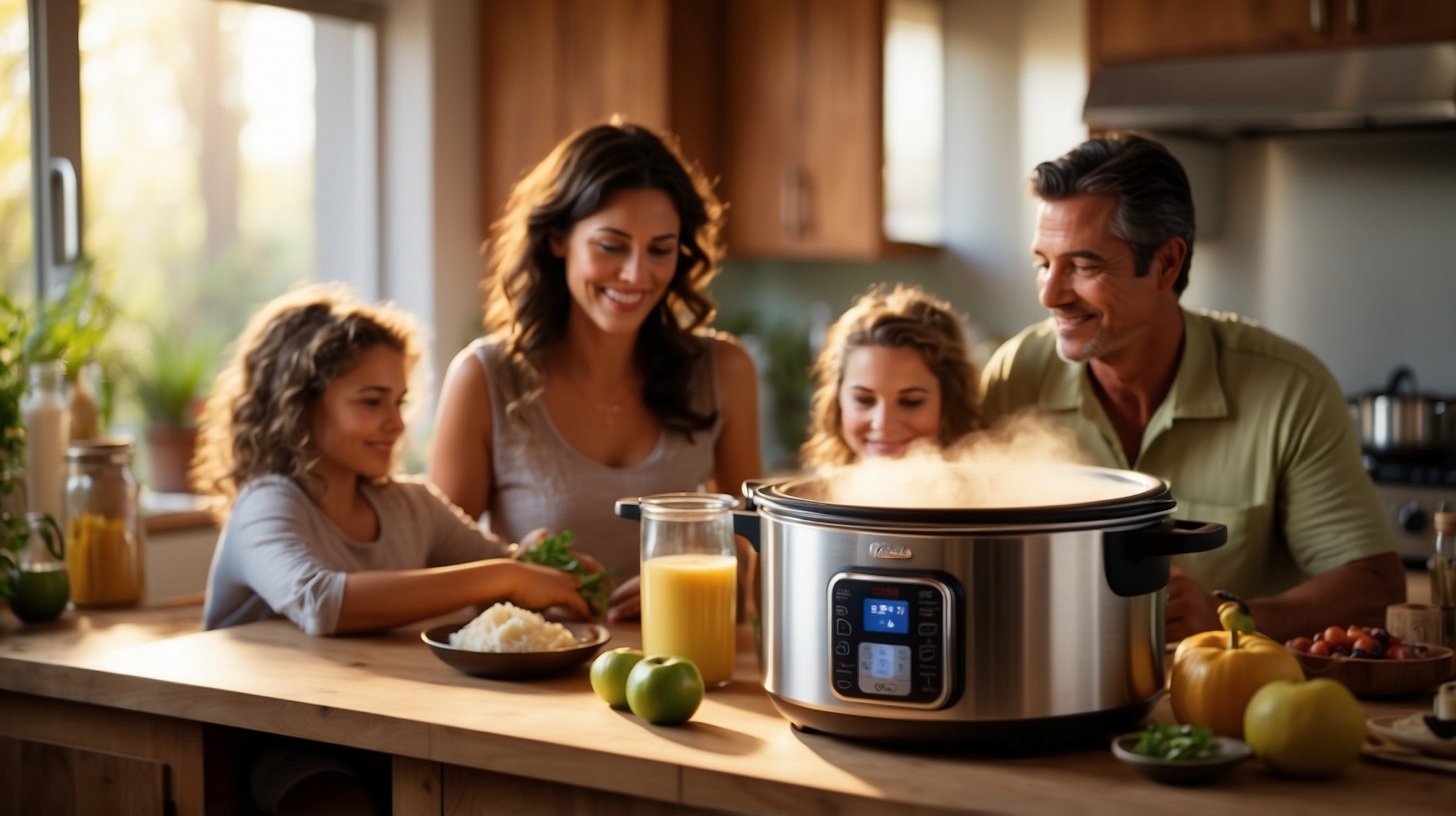
Families across the country are reevaluating their relationship with traditional kitchen appliances, and one surprising casualty is the time-honored pressure cooker. Long seen as a staple in domestic kitchens—from simmering stews to creating quick meals—pressure cookers are now being swapped out in favor of **smarter, safer multi-cookers**. These high-tech alternatives promise not only ease and efficiency but also an extra layer of security and convenience that many households find comforting in a fast-paced world.
At the heart of the switch is a pivotal shift in consumer behavior driven by lifestyle changes, tech integration, and safety considerations. Busy parents, novice cooks, and health-minded professionals are turning to multi-cookers with built-in programming and smart features to ensure an easier cooking experience. Additionally, the evolution of these devices from simple pressure cookers into comprehensive cooking systems is reshaping the way modern families approach home meals.
Why multi-cookers are replacing pressure cookers in modern kitchens
| Feature | Traditional Pressure Cooker | Modern Multi-Cooker |
|---|---|---|
| Functionality | Pressure cooking only | Pressure cook, slow cook, sauté, steam, bake, and more |
| Safety Features | Manual locks, pressure release valves | Automatic venting, lid detection sensors, overheat protection |
| Ease of Use | Requires manual monitoring | Pre-set programs and smart notifications |
| Tech Integration | None | App control, Wi-Fi/Bluetooth connectivity |
| Cleanup | Multiple detachable parts, sometimes hard to clean | Non-stick, dishwasher-safe parts |
| Learning Curve | Moderate to high | Beginner-friendly guided steps |
From stovetop to countertop: The shift to multifunctionality
Traditional pressure cookers have long held a revered place in households, especially in cultures with rice- and stew-centric diets. However, today’s consumer priorities are changing. The shift from stovetop appliances to **electric, digital, and programmable multi-cookers** mirrors a broader trend: the need for multifunctional, time-saving tech in the kitchen. These countertop machines now offer features that include yogurt-making, baking, air frying, and even sous-vide capabilities—all wrapped in one sleek unit.
Another key factor behind the swap is **the fear of kitchen accidents**. Stories of pressure cookers exploding or causing burns have prompted families to seek safer alternatives. Newer multi-cookers come equipped with automatic sealing lids, digital pressure regulation, and child-lock features that drastically reduce the potential for harm.
What busy families are looking for today
Today’s families need kitchen tools that are not only efficient but intuitive. They prefer devices that can work around busy schedules, offer healthy cooking options, and require minimal cleanup. Multi-cookers satisfy this demand by providing pre-set programs for specific dishes, from quinoa to beef stew, which removes guesswork and reduces kitchen stress.
Our customers love that they can throw in ingredients before heading to work and return to a warm, freshly cooked meal—without thinking about pressure settings or stovetop hazards.
— Emily Garcia, Product Manager at a leading home appliance company
What changed this year
The improved design and affordability of multi-cookers have made them more accessible than ever. Brands are focusing on building **AI-powered cookers**, app integration, voice assistant compatibility, and learning-based cooking suggestions. With 2024 seeing a rise in both dual-income households and remote working, the appeal of set-it-and-forget-it cooking has surged dramatically.
Also notable is a rise in health-conscious cooking. Multi-cookers now come with calorie tracking, recipe filters for specific diets, and even protein estimation, tailored perfectly for families managing dietary concerns or health goals. This kind of personalization is simply not available in older pressure cookers.
Who benefits most from switching
First-time cooks, elderly users, and busy professionals are among the primary beneficiaries of this kitchen evolution. Safety features help seniors who may struggle with dexterity or memory, giving peace of mind to their caregivers. Meanwhile, tech-savvy individuals appreciate the versatility of being able to operate their cooker via a smartphone app or voice assistant like Alexa or Google Home.
The upgrade isn’t just about convenience—it’s about creating a smarter and safer kitchen environment for the whole family.
— Dr. Nathan Price, Consumer Technology Analyst (Placeholder)
Costs, considerations, and long-term value
While **multi-cookers generally cost more upfront** than basic pressure cookers, the long-term value is clearer. The ability to combine several appliances into one device not only saves space but also reduces total costs over time. Instead of buying a rice cooker, steamer, and slow cooker separately, a single multi-cooker does the job.
That said, not every household may need a high-end model. Entry-level multi-cookers are now priced competitively, offering essential functions with fewer smart tech perks. The range of choices allows families to match options to their cooking habits and specific needs.
The versatility factor
Unlike traditional pressure cookers which require constant monitoring, multi-cookers offer true “walk-away cooking.” Users can bake bread in the morning, steam vegetables in the afternoon, and create a one-pot dinner by evening. For large households or small apartments, this **appliance consolidates cooking needs into a single powerhouse**.
Some models even include dual-chamber systems, allowing two different meals to be cooked at once at separate temperatures—a revolutionary feature for picky eaters or dietary restrictions within families.
Safety and peace of mind
Common safety features in current multi-cookers include auto pressure release, lid-locking sensors, countdown timers, overheat protection, steam shields, and more. For parents with young kids or caregivers with aging relatives, these advancements offer profound peace of mind.
I switched when I realized I could let my teenage kids make their own meals without worrying about explosions or burns.
— Tara Lin, Working Parent
Smart kitchen meets the modern family
With the rise of the Internet of Things, these devices are slowly becoming part of larger smart home ecosystems. Some models now sync with grocery management apps, provide reminders for fresh ingredient use, or use AI to recommend meals based on previous cooking behavior. For younger generations and digital natives, these smart features feel natural, not novel.
Winners and losers in the transition
| Winners | Losers |
|---|---|
| Tech-savvy families | Traditional pressure cooker manufacturers |
| Small space apartment dwellers | Standalone appliance makers (like rice-only cookers) |
| Seniors seeking safer solutions | Time-consuming home chefs |
| Health-conscious cooks | Low-tech kitchen users |
Frequently asked questions about multi-cookers replacing pressure cookers
Are multi-cookers safer than traditional pressure cookers?
Yes, modern multi-cookers are equipped with advanced safety features such as auto lock lids, pressure release mechanisms, and temperature regulators that make them safer than traditional units.
Do multi-cookers take longer to cook food?
Not necessarily. While some programs like slow cooking are designed to take hours, pressure cooking within a multi-cooker is often faster due to digital timing and regulated heat.
Can a multi-cooker replace a rice cooker or slow cooker?
Yes, most multi-cookers come with functions specifically tailored for rice cooking, slow cooking, sautéing, steaming, and more—making them a viable all-in-one appliance.
Are multi-cookers worth the investment?
For many families, the long-term value of having multiple cooking capabilities in one compact device makes multi-cookers a worthwhile investment.
Are there downsides to multi-cookers?
Some advanced models can be expensive, and the abundance of features might be overwhelming for users unfamiliar with smart tech.
Can I use a multi-cooker without the smart features?
Absolutely. Most models offer manual cooking methods and are fully functional without requiring app connectivity or Wi-Fi.
Is it easy to clean a multi-cooker?
Yes, many parts such as the inner pot, sealing ring, and accessories are dishwasher safe, making cleanup quick and simple.
What size multi-cooker is best for a family of four?
A 6-quart multi-cooker is often ideal for a family of four, providing ample space for batch meals without overcrowding your kitchen.


