
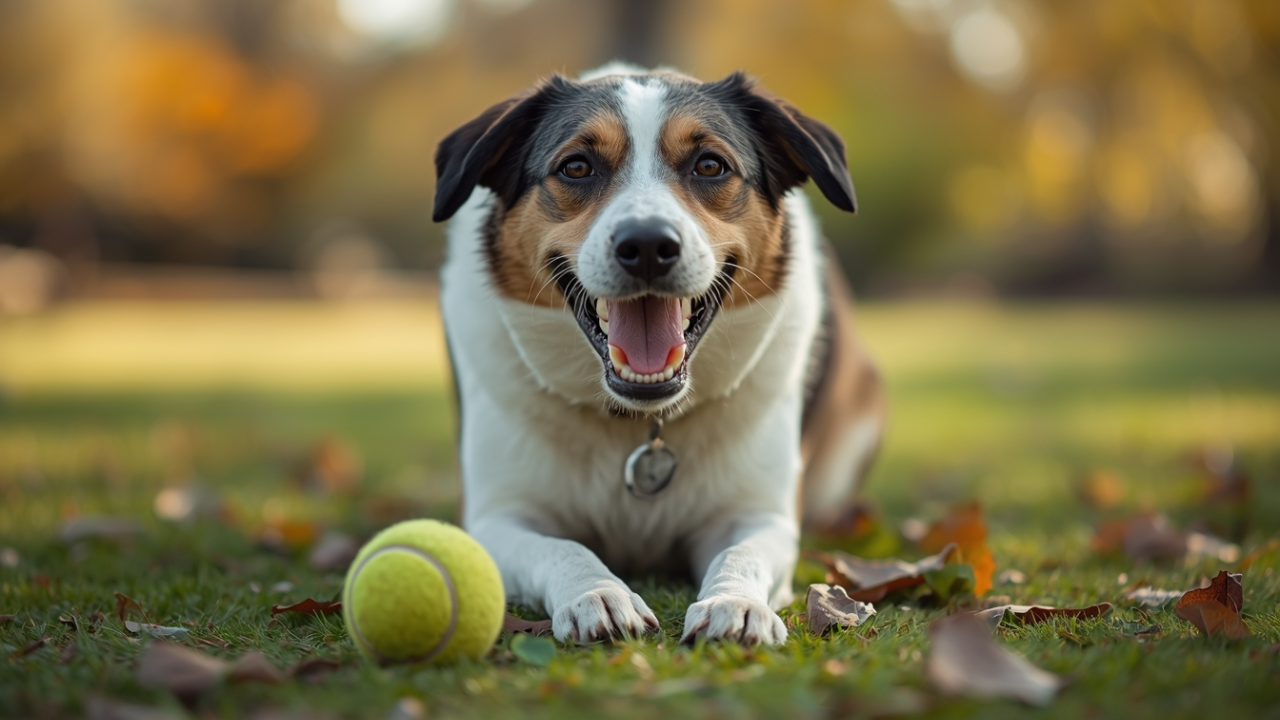
On a chilly winter morning, parks across the world fill with dogs happily chasing bright yellow tennis balls. For decades, the game of fetch with a tennis ball has been considered a harmless and joyful activity. However, veterinary experts are now raising serious concerns about the long-term dental damage these popular toys may cause.
While tennis balls appear soft and safe, they were designed for sports courts, not canine mouths. Over time, repeated chewing and biting can silently wear down a dog’s teeth, often without owners noticing until permanent damage has already occurred.
Why Tennis Balls Seem Like the Perfect Dog Toy
Tennis balls are widely used because they offer several advantages:
- They are inexpensive and easily available
- Their bounce encourages chasing instincts
- Their size suits many dog breeds
- They are lightweight and easy to throw
Because of these qualities, many dog owners automatically carry tennis balls during walks without considering potential risks.
The hidden problem lies in how tennis balls interact with dogs’ teeth during regular play.
The Hidden Danger: Grit and Abrasion
Tennis balls are coated with a fuzzy felt material designed to handle friction from tennis rackets and hard courts. When used outdoors by dogs, this felt quickly traps dirt, sand, gravel and debris.
Once a dog picks up the ball, saliva moistens the surface, locking these particles into the felt. The ball may still appear harmless, but it effectively becomes abrasive.
Veterinary dentists often compare this effect to sandpaper rubbing against tooth enamel. Each bite or chew gradually removes microscopic layers of enamel.
Over months or years, this repetitive grinding can cause severe dental wear.
How Tennis Balls Slowly Damage Teeth
Dogs rarely just carry tennis balls. Many breeds naturally chew, squeeze or hold balls tightly in their jaws for extended periods. Retrievers and herding dogs are especially prone to constant ball chewing.
Repeated chewing creates a polishing effect — except instead of smoothing surfaces, it erodes enamel, the protective outer layer of teeth.
Early damage is subtle. Over time, dogs may develop:
- Flattened canine teeth
- Shortened front teeth
- Visible wear patterns
- Increased tooth sensitivity
Because enamel cannot regenerate, this damage is permanent.
What Happens When Enamel Wears Away
To understand the seriousness of tennis ball wear, it helps to know tooth structure.
Enamel
The outer protective layer of the tooth. It is extremely strong but cannot repair itself once damaged.
Dentine
A softer layer beneath enamel that becomes exposed when enamel erodes. Dentine is sensitive to temperature and pressure.
Pulp
The innermost part of the tooth containing nerves and blood vessels.
When tennis ball abrasion exposes dentine or pulp, dogs may experience:
- Pain while chewing
- Tooth infections
- Increased bacterial risk
- Potential need for tooth extraction
Veterinarians often see dogs with canines worn flat, sometimes showing dark centres indicating pulp exposure.
Why Dogs Hide Dental Pain
One reason tennis ball damage often goes unnoticed is that dogs naturally hide discomfort. Unlike humans, they rarely show obvious pain symptoms.
Instead, they may display subtle behavioural changes such as:
- Chewing on only one side
- Dropping toys quickly
- Avoiding harder chew toys
- Reduced interest in fetch
Owners often misinterpret these signs as aging or personality changes rather than dental problems.
By the time visible symptoms appear, significant damage has often occurred.
Safer Alternatives to Tennis Balls
Fortunately, dogs do not need to stop playing fetch. Vets recommend switching to toys designed specifically for canine dental safety.
Features of Safer Dog Balls
- Smooth surfaces without fabric or felt
- Soft but durable rubber or thermoplastic materials
- Proper size to prevent swallowing or crushing
- Strong construction resistant to breaking apart
Toy Comparison
| Toy Type | Dental Risk | Recommended Use |
|---|---|---|
| Standard tennis ball | High | Not recommended |
| Felt-covered dog tennis ball | Moderate | Short supervised play |
| Smooth rubber dog ball | Low | Daily fetch play |
| Textured rubber ball | Low to moderate | Fetch and supervised chewing |
Completely felt-free toys generally offer the safest option for long-term use.
How Owners Can Detect Early Dental Wear
Regular dental checks at home can help identify problems early. Signs to watch for include:
- Blunted or flattened canine teeth
- Teeth appearing unusually short or even
- Brown or dark marks in worn areas
- Reluctance to chew or hold toys
If any of these symptoms appear, a veterinary examination is recommended. Dental X-rays may be needed to assess internal tooth damage.
Other Common Chewing Hazards for Dogs
Tennis balls are not the only toys capable of damaging teeth. Other risky chew items include:
- Hard antlers
- Dense natural bones
- Stones
- Extremely hard nylon toys
These objects may fracture teeth instead of slowly wearing them down.
Many veterinarians suggest a simple safety rule: if you cannot slightly press your fingernail into a chew toy, it may be too hard for regular use.
Understanding Dental Abrasion in Dogs
Abrasion refers to gradual tooth wear caused by repeated friction. Each time a gritty tennis ball rubs against enamel, microscopic particles are removed.
This process is slow but cumulative. A few fetch sessions cause no harm, but thousands of repetitions over years can reshape teeth permanently.
The effect is similar to repeatedly sanding down a hard surface. At first, the changes are invisible, but eventually, noticeable rounding and flattening occur.
How to Protect Your Dog’s Teeth While Keeping Playtime Fun
Dog owners can reduce dental risks with a few simple changes:
- Replace tennis balls with smooth rubber fetch toys
- Limit unsupervised chewing sessions
- Clean toys regularly to remove dirt and grit
- Rotate toys to reduce excessive wear from a single item
- Schedule regular veterinary dental check-ups
These adjustments allow dogs to continue enjoying exercise and mental stimulation safely.
A Small Change That Protects Lifelong Health
For many dogs, fetch is more than entertainment. It supports exercise, bonding and behavioural enrichment. Fortunately, protecting dental health does not require giving up this activity.
By switching to safer toys and monitoring chewing habits, owners can prevent long-term dental problems while preserving the joy of play.
Tennis balls remain perfect for tennis courts — but for dogs, purpose-built toys provide a safer way to keep tails wagging and smiles healthy for years to come.


