
Sarah Martinez was halfway through her Friday afternoon coffee when her phone buzzed with the emergency alert. “Winter storm warning in effect,” it read, followed by numbers that made her stomach drop: “Up to 60 inches possible through Sunday.” She glanced out her office window at the gray sky, then at her calendar showing her daughter’s soccer tournament scheduled for Saturday morning two hours away.
Like thousands of others across the region, Sarah faced an impossible choice. Cancel plans and hunker down, or risk getting caught in what meteorologists are calling a “historic snowfall event.” By evening, her decision was made for her—the tournament organizers had already called it off, and the highway department was advising against all non-essential travel.
The winter storm warning isn’t just another weather alert. This weekend’s storm system represents the kind of weather event that reshapes entire communities for days, sometimes weeks.
A Once-in-a-Decade Storm Takes Aim
What started as light flurries Thursday night has evolved into a meteorological monster. The National Weather Service issued the winter storm warning after computer models consistently showed the same terrifying scenario: a slow-moving system that will park itself over the same area and dump snow at rates of 3-4 inches per hour.
“We’re looking at a perfect storm setup,” explains Dr. Michael Chen, a meteorologist with the Regional Weather Center. “Cold air is already locked in place, and now we have this moisture-rich system from the south that’s going to ride right up over it. The result is snow production that we rarely see.”
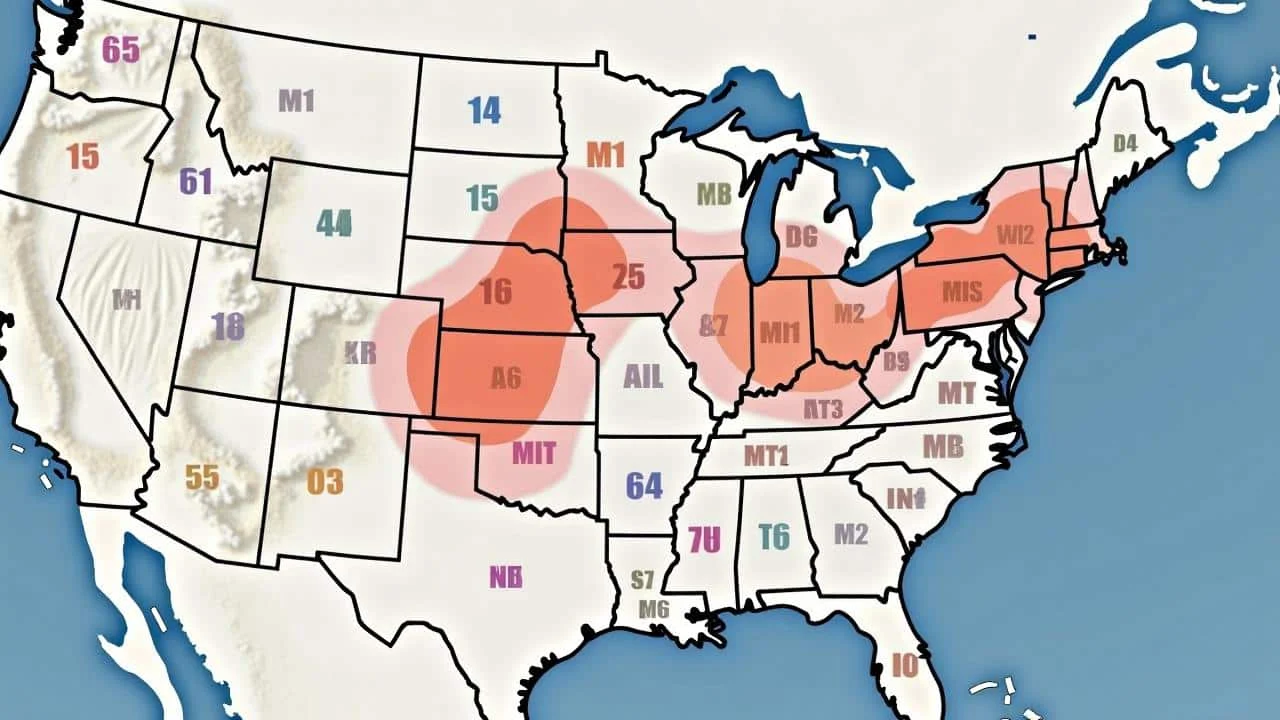
The storm’s path covers nearly 200 miles, with the heaviest snowfall expected in mountainous areas where elevation will wring out every drop of moisture. But even lower elevations aren’t escaping—forecasters predict 12-18 inches in areas that typically see that much snow in an entire winter.
Power companies have already activated their emergency protocols. Wet, heavy snow creates the perfect conditions for widespread outages, as the weight pulls down tree branches and power lines. Some utilities are pre-positioning crews outside the storm zone, ready to move in once conditions allow.
Breaking Down the Storm’s Timeline and Impact Zones
| Time Period | Snow Rate | Expected Accumulation | Travel Conditions |
|---|---|---|---|
| Friday Night | 1-2 inches/hour | 6-10 inches | Becoming hazardous |
| Saturday Morning | 2-4 inches/hour | 12-20 inches additional | Extremely dangerous |
| Saturday Night | 3-4 inches/hour | 15-25 inches additional | Impassable in many areas |
| Sunday | 1-3 inches/hour | 8-15 inches additional | Emergency vehicles only |
The winter storm warning covers multiple elevation zones, each facing different challenges:
- Mountain areas above 4,000 feet: 40-60 inches of snow with winds up to 50 mph creating impossible travel conditions
- Foothills and valleys: 18-30 inches with moderate winds, enough to close most roads and strain infrastructure
- Lower elevations: 12-18 inches, still sufficient to cause significant disruptions and power outages
- Urban areas: 8-15 inches complicated by traffic, making snow removal extremely challenging
“The sheer volume of snow is only part of the story,” notes Emergency Management Director Lisa Thompson. “We’re dealing with snow rates that will overwhelm plowing operations, temperatures that will make road treatment less effective, and winds that will create zero visibility conditions.”
When Normal Life Comes to a Complete Stop
This winter storm warning affects more than just weekend plans. Hospitals are adjusting staffing schedules, with some medical workers planning to sleep at facilities rather than attempt dangerous commutes. Grocery stores report panic-buying levels not seen since the early pandemic, with bread, milk, and batteries flying off shelves.
The ripple effects extend far beyond the storm zone. Airlines have already canceled over 1,200 flights through Sunday, affecting travelers nationwide. Package deliveries will halt, impacting online retailers during a busy shopping season. Even cell towers could face service disruptions if backup power systems fail during extended outages.
Emergency shelters are opening in multiple counties, prepared to house stranded motorists and residents who lose power and heat. “We’re not just talking about inconvenience,” explains Red Cross coordinator James Rodriguez. “In a storm this severe, being caught unprepared can become life-threatening very quickly.”
The economic impact will be substantial too. Every day of storm-related closures costs the regional economy millions of dollars in lost productivity. Small businesses, already struggling with seasonal challenges, face the prospect of losing an entire weekend of revenue with no way to make it up.
State transportation departments have mobilized every available plow truck, but officials are being realistic about limitations. “We can’t keep up with 4 inches of snow per hour,” admits Highway Superintendent Maria Gonzalez. “Our strategy shifts from keeping roads clear to keeping them passable for emergency vehicles only.”
Preparing for the Long Haul
The winter storm warning comes with clear guidance: don’t travel unless absolutely necessary, and if you must travel, be prepared to stay wherever you end up for potentially several days. This isn’t typical winter weather advice—it’s disaster-level preparation.
Power restoration could take a week or more in the hardest-hit areas. Tree removal crews are already staging outside the storm zone, but they can’t begin work until winds die down and snow stops accumulating. Until then, fallen trees and power lines will remain untouched, leaving entire neighborhoods in the dark.
The psychological impact shouldn’t be underestimated either. Being snowed in for days, especially during power outages, creates stress that can affect entire families. Mental health professionals recommend preparing entertainment, maintaining routines as much as possible, and checking on neighbors when conditions permit.
“This storm will test our community resilience,” observes Dr. Patricia Williams, a disaster psychology specialist. “The physical challenges are obvious, but the mental and emotional toll of extended isolation and uncertainty can be just as significant.”
FAQs
How accurate are predictions for 60 inches of snow?
Modern weather models are quite reliable for large-scale patterns, and multiple independent forecasts are showing similar totals, making this prediction highly credible.
Should I try to drive to a safer location before the storm hits?
Only if you can complete the trip within the next few hours and have a guaranteed safe destination—otherwise, you risk being stranded in even worse conditions.
How long will power outages last after a storm this severe?
Restoration typically takes 3-7 days for widespread outages, but some remote areas could wait weeks depending on damage and accessibility.
Can emergency services respond during the worst of the storm?
Emergency responders will attempt to reach life-threatening situations, but response times will be severely delayed and some areas may be temporarily unreachable.
What’s the difference between a winter storm watch and warning?
A watch means conditions are possible, while a warning means the storm is imminent or already occurring—this warning indicates the severe weather has begun.
How much food and water should I have stored for this storm?
Plan for at least 5-7 days of supplies per person, including food that doesn’t require cooking and one gallon of water per person per day.


