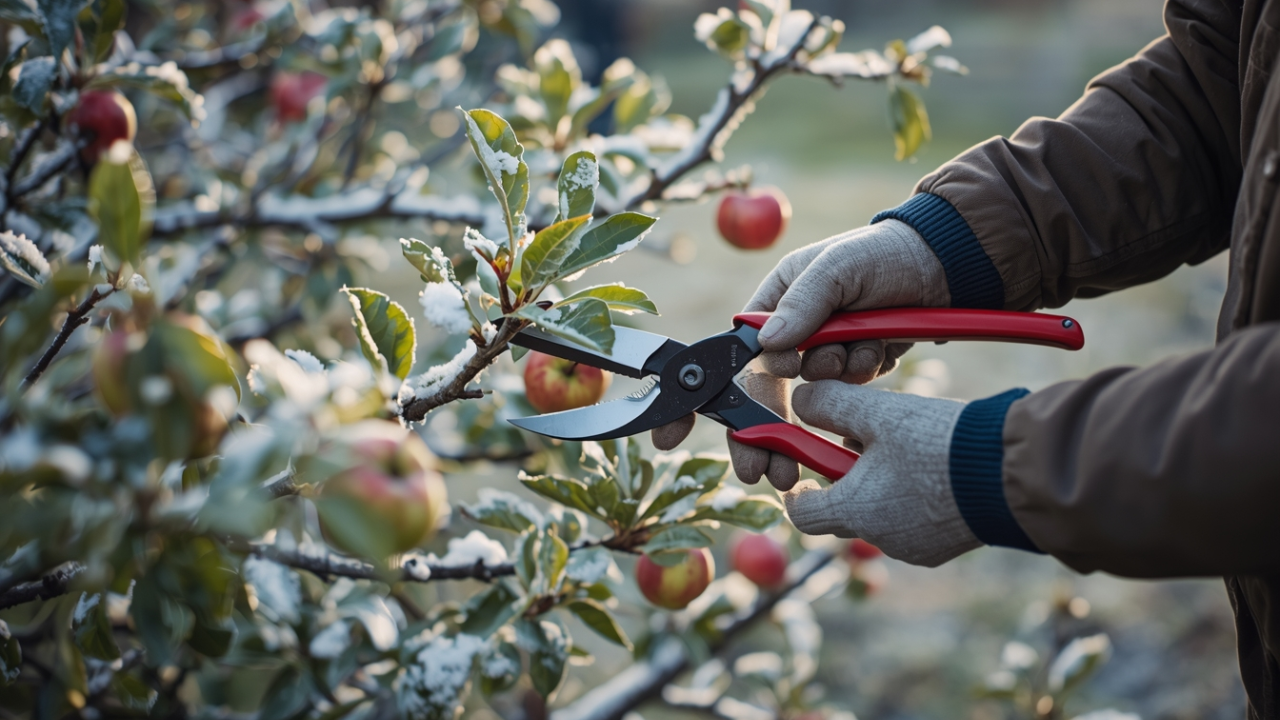
The garden in January has a particular kind of silence. The air feels still, the soil holds the memory of frost, and fruit trees stand bare against the grey winter sky. From the window, they look quiet and almost lifeless, giving the illusion that nothing urgent is happening.
But beneath that rough bark and empty branches, next summer’s harvest is already being decided.
Many gardeners walk outside with a warm drink, glance at their trees, and promise themselves they will prune them “next weekend.” The trouble is that winter weekends slip away quickly. By the time February arrives, the window for proper pruning quietly closes — and the trees begin preparing for spring growth.
There is a moment when pruning supports growth and fruit production. After that moment, pruning can weaken the tree and reduce harvest quality.
Why Late-January Pruning Matters More Than Most Gardeners Realise
Winter pruning is essential because fruit trees enter a dormant stage during the coldest months. During dormancy, energy is stored safely in the roots rather than being used for leaf or flower production. This makes it the safest time to remove branches and shape the tree without causing stress.
Once late winter arrives, sap begins to rise, and buds start swelling in preparation for spring flowering. Cutting branches during this awakening stage interrupts the tree’s energy cycle. Instead of focusing on producing flowers and fruit, the tree must redirect its energy toward healing pruning wounds.
This shift can reduce fruit quantity, decrease fruit size, and increase vulnerability to disease. Even a delay of two to three weeks can significantly impact the harvest.
Among fruit trees, three species are particularly sensitive to pruning timing: apple, pear, and peach trees.
Apple Trees: The Foundation of Winter Pruning
Apple trees respond extremely well to proper winter pruning. During January, their bare branches reveal the entire structure of the tree, allowing gardeners to easily identify problem areas.
The goal when pruning apple trees is to create an open structure that allows sunlight and air to reach every branch. Removing dead or damaged wood improves overall tree health, while thinning overcrowded branches reduces friction damage caused by wind.
Gardeners should also remove vertical shoots known as suckers, which grow quickly but rarely produce fruit. Shortening overly long branches encourages the tree to concentrate its energy on producing stronger fruiting spurs rather than excessive leafy growth.
If pruning is delayed until early spring, apple trees often produce vigorous leafy growth instead of fruit, resulting in a weaker harvest season.
Pear Trees: The Upright and Often Overcrowded Growers
Pear trees appear similar to apple trees but behave differently when it comes to growth patterns. They naturally grow more upright and can quickly develop dense clusters of vertical branches that block sunlight from reaching lower limbs.
Without proper pruning, pear trees often produce small or poor-quality fruit because the shaded interior branches cannot support healthy fruit development.
Late-January pruning helps open the tree’s canopy by removing crossing branches and vertical growth. This allows better airflow, reduces disease risk, and encourages even fruit development throughout the tree.
Gardeners who take the time to properly shape pear trees during winter often notice dramatic improvements in harvest size and quality within just a few seasons.
Peach Trees: The Most Timing-Sensitive of All
Peach trees require especially careful pruning because they produce fruit on one-year-old wood. This means that the shoots grown during the previous season are responsible for the upcoming summer harvest.
During January, gardeners must identify strong, healthy young shoots and preserve them while removing older, exhausted branches. This process encourages fresh fruit-bearing growth and improves fruit size and sweetness.
Delaying pruning until February or later increases the risk of removing developing flower buds. Late pruning also increases the chances of fungal diseases such as peach leaf curl because the tree becomes more vulnerable once sap flow begins.
Peach trees are often considered the most demanding fruit trees in terms of pruning timing, making January pruning particularly critical.
How to Prune Quickly and Confidently
Many gardeners hesitate to prune fruit trees because they fear damaging them. However, thoughtful pruning is far healthier than allowing branches to grow uncontrolled.
Start by observing the tree from multiple angles. Identify dead wood, branches that cross or rub against each other, and shoots growing inward toward the center. These should be removed first.
Use sharp, clean pruning tools to make smooth cuts close to the branch collar without leaving stubs. Larger branches should be removed using a pruning saw, while smaller branches can be cut using secateurs.
The main objective is always the same: create a structure that allows sunlight and air to circulate freely through the canopy while maintaining strong supporting branches.
Common Mistakes Gardeners Should Avoid
One frequent mistake is removing large structural branches without understanding how it affects overall balance. Another error is trimming only branch tips without thinning the interior, which creates dense foliage and poor airflow.
Pruning during wet or freezing weather can also increase infection risk, as cuts may not heal properly. Choosing dry, mild winter days helps wounds close faster and reduces disease exposure.
Most importantly, waiting too long remains the biggest pruning mistake. Once buds begin swelling, the tree has already begun preparing for fruit production, making pruning far less effective.
Treat Timing as a Seasonal Deadline
Successful fruit growing often depends on small seasonal habits rather than complex techniques. Viewing January as the final pruning deadline helps gardeners stay consistent and ensures trees remain healthy and productive.
Even beginners can improve harvest quality simply by focusing on removing dead and overcrowded branches during dormancy. Over time, this routine strengthens tree structure and supports consistent fruit production year after year.
Conclusion
Pruning apple, pear, and peach trees before the end of January plays a crucial role in ensuring strong growth, improved fruit quality, and disease resistance. Winter dormancy provides the safest period for structural pruning, allowing trees to direct energy toward flower and fruit development during spring and summer.
While pruning may seem intimidating at first, simple observation, clean cuts, and proper timing can dramatically improve orchard productivity. By treating late January as the seasonal cutoff, gardeners can protect their harvest and encourage healthier fruit trees for years to come.
Ultimately, the quiet effort invested during winter pruning often reveals itself months later — in branches heavy with sun-ripened fruit and gardens filled with seasonal abundance.