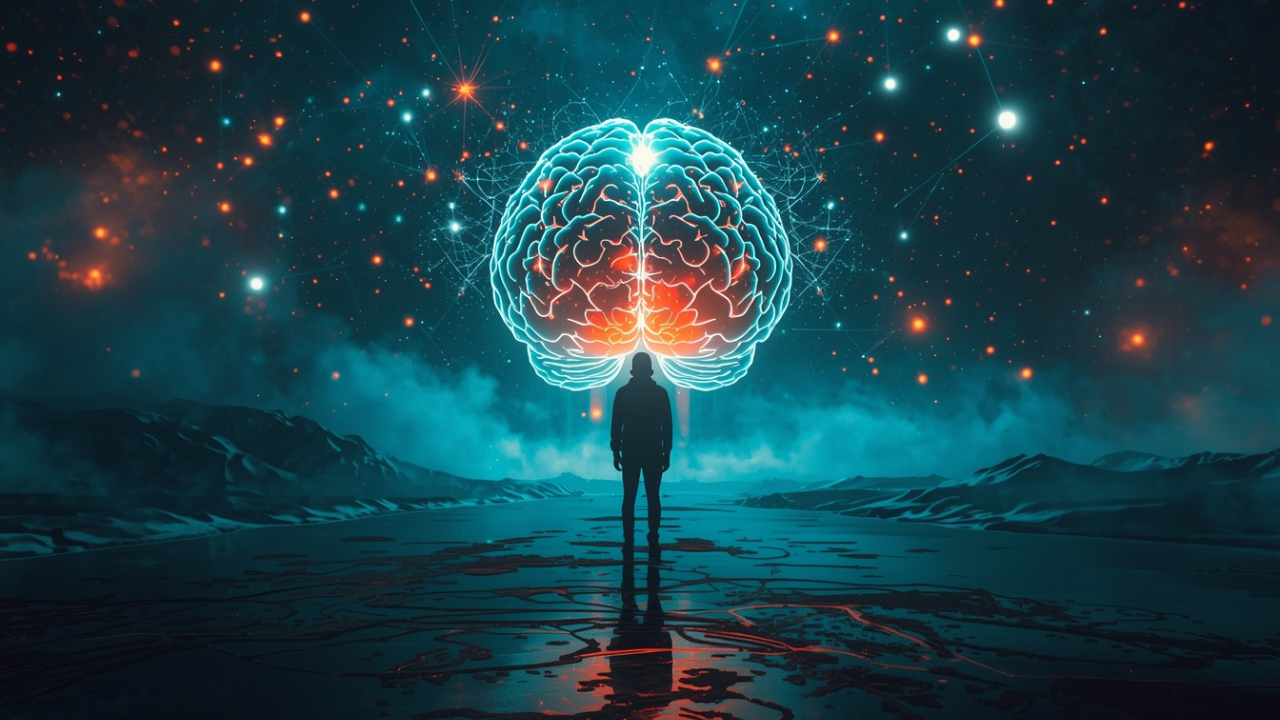
Have you ever walked into a place, met someone, or experienced a moment that suddenly felt strangely familiar — even though you know it’s happening for the first time? This unusual sensation is known as Déjà vu, a French phrase meaning “already seen.”
Despite being extremely common, déjà vu remains one of the most fascinating mysteries of human memory. Scientists estimate that nearly two-thirds of people experience it at least once in their lives. While it often feels mysterious or even supernatural, modern neuroscience suggests that déjà vu is linked to how the brain processes memory and perception.
Let’s explore what researchers currently understand about this curious psychological phenomenon.
What Exactly Is Déjà Vu?
Déjà vu describes the sensation of familiarity during a completely new experience. People often describe it as the feeling that a current situation has already happened, even when they know logically that it hasn’t.
Research shows that déjà vu occurs more frequently among younger individuals and tends to appear during periods of fatigue, stress, or emotional overload. Scientists believe these factors may temporarily affect memory processing in the brain.
Although some paranormal theories suggest déjà vu may involve past lives or predictions of the future, neuroscience offers more evidence-based explanations involving brain function and memory errors.
The Link Between Déjà Vu and Epilepsy
One of the earliest scientific clues about déjà vu came from studying patients with Epilepsy. Many individuals with certain types of epilepsy experience intense feelings of familiarity before or during seizures.
Researchers discovered that abnormal electrical activity in the Medial Temporal Lobe often triggers these sensations. This region contains important memory-processing structures, including the Hippocampus, which plays a key role in forming and retrieving memories.
Scientists found that stimulating the rhinal cortex — a brain area located near the hippocampus — can artificially create feelings similar to déjà vu. These findings suggest that temporary disruptions in memory circuits may produce the sensation.
While epilepsy-related déjà vu is caused by clear neurological disturbances, researchers believe that similar but milder brain activity may occur in healthy individuals experiencing normal déjà vu.
Memory Confusion: The Brain’s Filing Error
Another widely accepted explanation suggests that déjà vu occurs due to a small error in the brain’s memory processing system.
Normally, when we encounter a new experience, the brain carefully stores it as fresh information. However, during déjà vu, the brain may mistakenly label a new experience as a stored memory. This creates a powerful sense of familiarity even though no actual memory exists.
Some researchers compare this phenomenon to a computer incorrectly tagging a new file as one that has already been saved. The brain’s recognition system briefly confuses new input with stored memories, producing the strange sensation of repetition.
The Role of the Brain’s Frontal Regions
A major breakthrough in understanding déjà vu came from research conducted at University of St Andrews in 2016. Scientists used brain imaging techniques to study volunteers experiencing artificially triggered déjà vu sensations.
In this study, participants were presented with lists of related words, such as “bed,” “dream,” and “night,” but without the key word connecting them — “sleep.” Later, participants reported that the missing word felt familiar even though they had never seen it.
Brain scans revealed that the Frontal Cortex became highly active during these experiences. Interestingly, traditional memory regions such as the hippocampus were less involved.
Researchers concluded that déjà vu might occur when the brain’s error-checking system detects a mismatch between reality and memory. In simple terms, the frontal cortex signals that something feels familiar but also recognizes that the memory is incorrect. The strange emotional sensation we call déjà vu may actually be evidence that our memory monitoring system is functioning properly.
Why Stress and Fatigue Increase Déjà Vu
Studies show that people are more likely to experience déjà vu during times of exhaustion or psychological stress. When the brain is tired, communication between memory and perception systems may become slightly disrupted.
This temporary mismatch increases the likelihood of memory errors, which may explain why students, travelers, and individuals experiencing emotional stress often report déjà vu more frequently.
Interestingly, déjà vu becomes less common with age. Researchers believe this may occur because memory-processing systems become more stable over time or because older adults encounter fewer new experiences that could trigger memory confusion.
Is Déjà Vu Dangerous?
In most cases, Déjà vu is completely harmless and simply reflects normal brain function. However, frequent or intense episodes may sometimes indicate neurological conditions such as epilepsy or certain memory disorders.
Doctors may recommend medical evaluation if déjà vu occurs alongside symptoms such as confusion, loss of awareness, or seizures.
For healthy individuals, occasional déjà vu is considered a normal psychological experience and may even provide insight into how the brain organizes memory and perception.
Why Déjà Vu Still Fascinates Scientists
Despite significant progress in neuroscience, déjà vu remains partially unexplained. The phenomenon involves complex interactions between memory, perception, and decision-making systems, making it difficult to study under controlled laboratory conditions.
Scientists continue researching déjà vu because it offers valuable clues about how memory works. Understanding this phenomenon may help researchers better understand memory disorders such as dementia, Alzheimer’s disease, and epilepsy.
The Science Behind Familiarity
Déjà vu reminds us that memory is not a perfect recording system. Instead, it is a dynamic process that constantly interprets and reconstructs experiences. Small glitches in this system can produce powerful emotional sensations that feel mysterious or supernatural.
Rather than being evidence of paranormal activity, déjà vu likely reflects the brain’s remarkable ability to compare new experiences with stored memories — even when that system briefly misfires.
Conclusion
The feeling of Déjà vu is one of the most intriguing mysteries of human psychology. While it may feel strange or even magical, scientific research suggests it results from temporary confusion between memory and perception.
From studies of epilepsy to brain imaging research, scientists now understand that déjà vu involves memory-processing regions such as the Hippocampus and monitoring systems within the Frontal Cortex.
Although many questions remain unanswered, déjà vu offers a fascinating glimpse into how our brains process experiences and maintain our sense of reality. It serves as a reminder that even the most ordinary moments of life can reveal extraordinary insights into the human mind.